The 24GB RAM option in Apple’s 14-inch M5 MacBook Pro isn’t just another upgrade—it’s a threshold crossed. This configuration, now discounted by $140, pushes the limits of portable computing, offering desktop-level performance in a laptop that weighs less than three pounds. Yet, its availability remains as uncertain as the supply chains that produce it.
Unified memory has evolved from a niche feature to an essential one for workloads that demand fluid data movement between CPU and GPU. Video editing, 3D rendering, and AI-driven tasks no longer fit neatly into separate processing pipelines; they require a shared pool of memory that can handle increasing demands without bottlenecks. The M5 chip’s architecture—with up to 12 CPU cores and 10 GPU cores—relies on this unified approach, making 24GB not just sufficient but necessary for sustained high performance.
But the discount tells a different story. A price drop of $140 from the base model’s $1,899 isn’t just about clearing inventory; it signals a shift in how Apple manages its supply chain. Premium hardware has always faced constraints, but the M5 MacBook Pro’s ecosystem—where software and hardware are tightly coupled—adds layers of complexity. Inventory levels can fluctuate based on component availability, manufacturing bottlenecks, or even adjustments in production schedules, leaving users in a position where demand outpaces supply without warning.
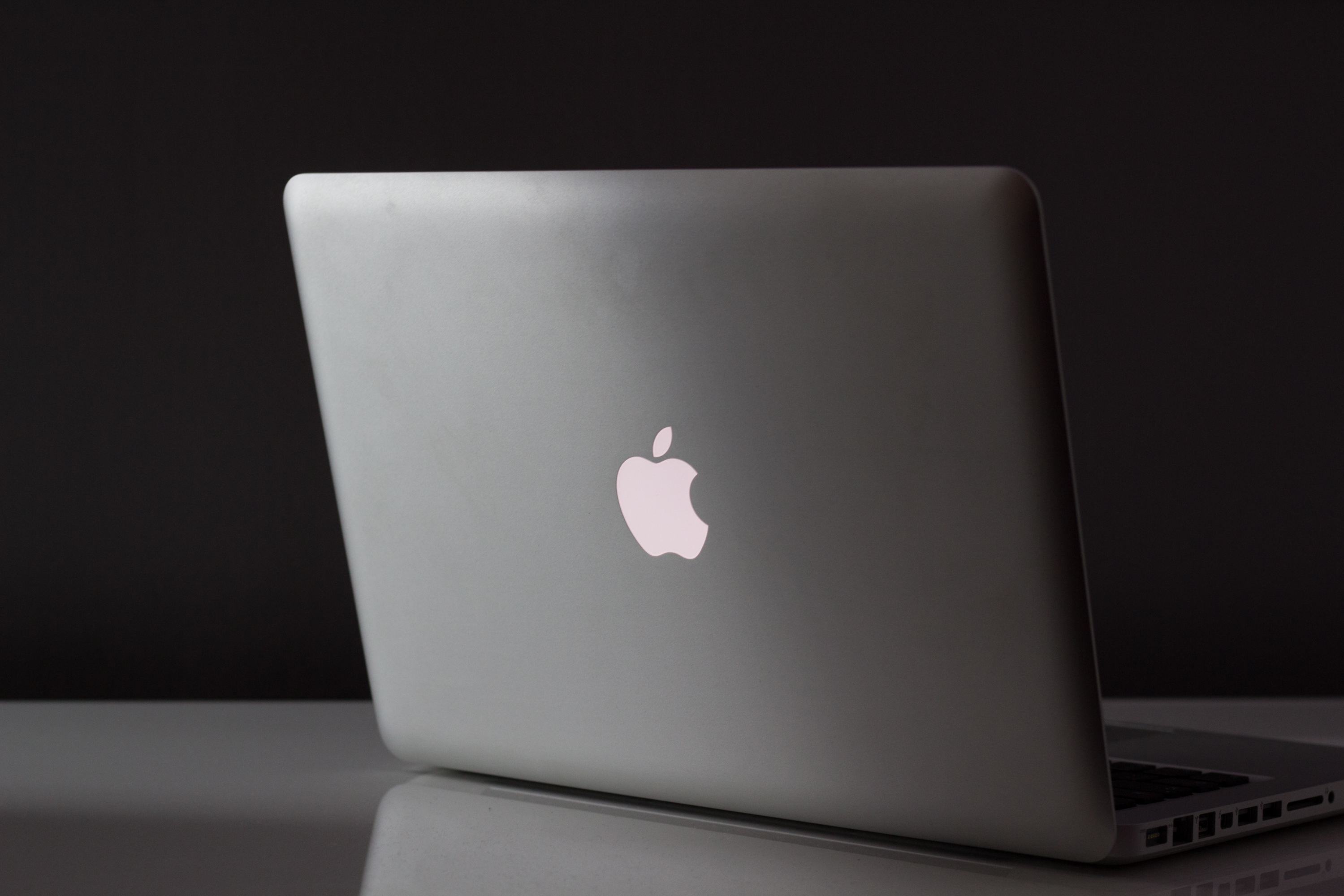
- M5 chip: Up to 12-core CPU, 10-core GPU
- Memory: 24GB unified (shared between CPU and GPU)
- Storage: 1TB SSD (PCIe 4.0 or newer)
- Price: $1,759 after discount
The impact of this configuration is twofold. For power users working with large datasets or running multiple demanding applications simultaneously, the 24GB RAM option provides a buffer against future-proofing concerns. However, its scarcity means that those who need it now may face delays, forcing them to reconsider whether they can afford to wait—or settle for less capable configurations.
For casual users, the value proposition is less clear unless their workflows already push the boundaries of what a laptop can handle. The real question isn’t just about performance; it’s about how long this level of compute power will remain relevant in an era where AI and workload complexity are growing exponentially. If supply stabilizes, this configuration could become the new standard for high-end mobile performance. But if inventory remains tight, the gap between need and availability widens, turning a benchmark into a gamble.
The most critical takeaway isn’t the discount itself—it’s the realization that even the most advanced hardware can become a moving target when its availability isn’t guaranteed. In a landscape where compute power is the differentiator, uncertainty about supply becomes the defining factor. For now, the 24GB RAM M5 MacBook Pro stands as a testament to what’s possible, but its scarcity serves as a reminder that performance alone doesn’t guarantee access.