The NEOGEO AES+ is not just a revival; it’s a quiet evolution. What was once a staple of arcades now returns with updated internals, promising the same raw power but with a more efficient thermal profile. Developers and collectors alike will notice the difference—not in flashy new features, but in how the system handles heat and workloads without sacrificing performance.
At its core, the AES+ retains the architecture that made the original NEOGEO legendary: a 16-bit CPU running at 12 MHz paired with a 7.58 MHz Z80 secondary processor for audio. The real story lies in the improvements under the hood. Thermal management has been refined, reducing the need for aggressive cooling while maintaining the system’s ability to push through demanding titles. For developers working on new ports or remasters, this means longer sessions without thermal throttling—critical for fine-tuning performance on classic hardware.
This isn’t a leap into the future; it’s an optimization of what already works. The AES+ keeps the original’s 64 KB ROM and 128 KB RAM, ensuring compatibility with existing libraries while offering better stability during long play sessions. That’s the upside—here’s the catch: it’s still a niche platform. The focus remains on purists who value authenticity over modern conveniences. But for those who do dive in, the AES+ delivers a more reliable experience without compromising the raw feel of retro hardware.
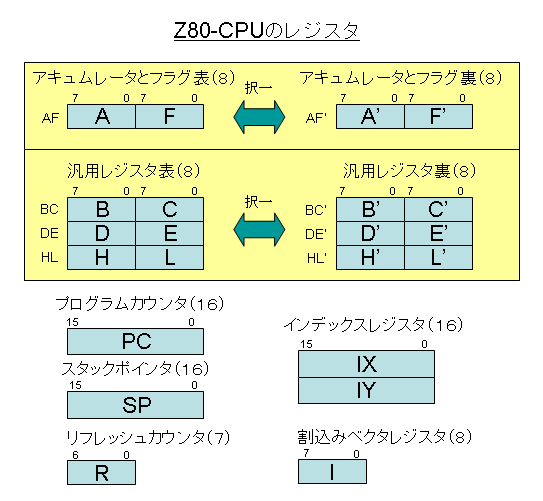
The implications for developers are clear. Porting or optimizing titles for this system now requires less trial-and-error with thermal constraints. The Z80’s audio capabilities remain untouched, so sound quality stays sharp even in extended play. For collectors, the AES+ represents a step forward without betraying its roots—a balance that’s rare in today’s market.
Looking ahead, this update signals a shift toward more sustainable retro hardware. The original NEOGEO was known for running hot; the AES+ addresses that with modern thermal design while keeping the soul of the machine intact. It’s a small change, but it matters to those who treat retro gaming as both an art and a craft. The question isn’t whether this will replace modern systems—it won’t—but whether it can carve out its own space for developers and enthusiasts who prioritize performance-per-watt over cutting-edge specs.