Device upgrades often feel like an all-or-nothing proposition—either you replace the entire unit or accept diminishing performance as components age. EPOS is changing that narrative with a modular battery system designed to simplify replacements, offering a middle ground for users who want to squeeze more life out of their devices without full-scale investments.
At the core of this shift is a focus on efficiency: by allowing only the battery cell to be swapped, EPOS eliminates the need for costly and complex board-level repairs. This isn’t just about convenience; it’s a strategic move to extend product lifespans while reducing e-waste and lowering total cost of ownership for businesses.
Why This Matters Now
The push toward modularity in electronics has been gathering momentum, but battery replacements have largely remained an afterthought. Most devices require full unit swaps or professional servicing due to soldered connections or proprietary designs. EPOS’s approach flips this script by making battery replacement as straightforward as swapping a flashlight battery—no special tools required.
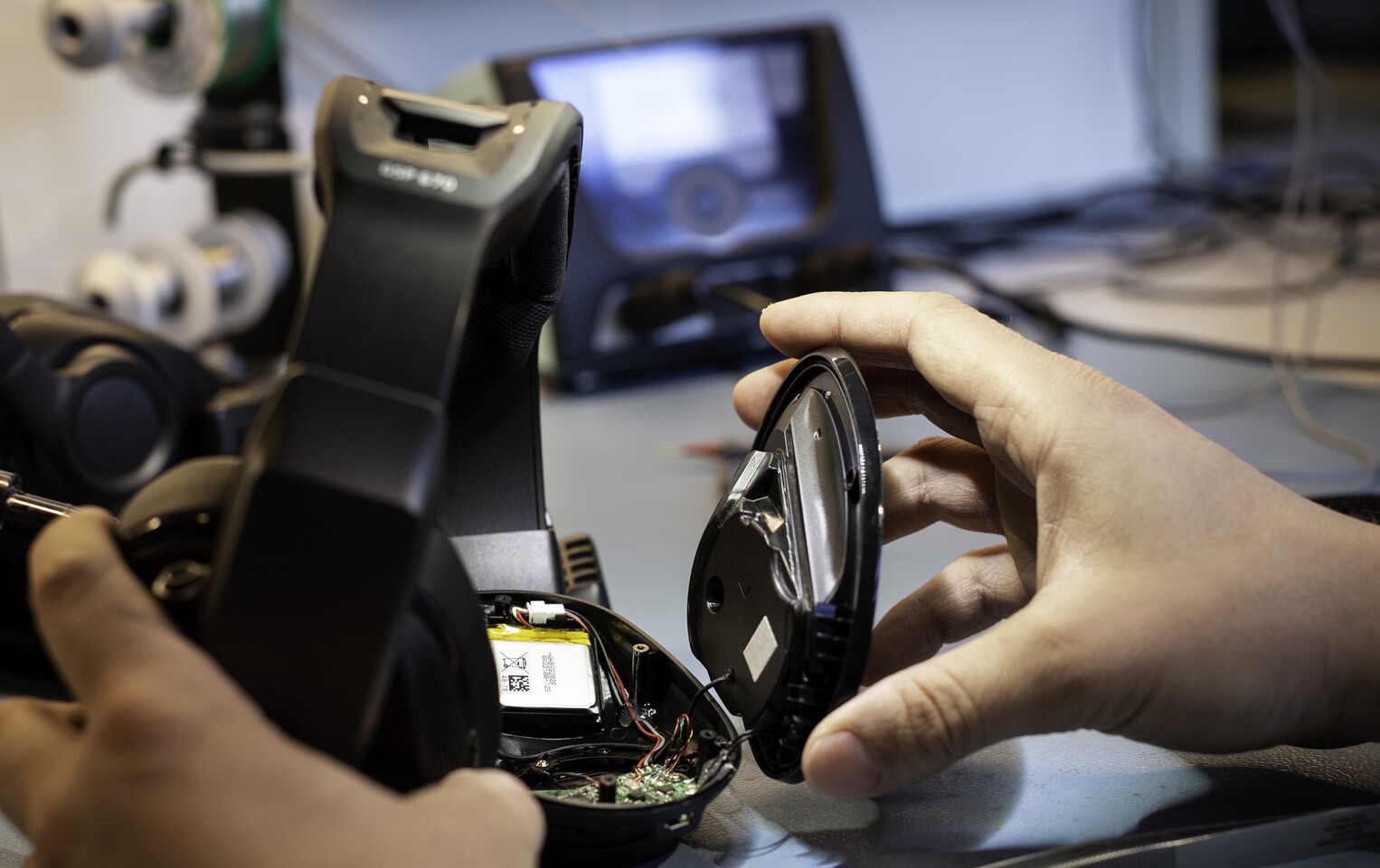
- Battery cell is the only component that needs replacement, reducing waste and repair costs.
- Compatibility with existing devices means no need for new hardware or software updates.
- Targeted at both consumers and businesses, with potential savings of up to 70% compared to full device replacements.
- Designed to work with standard lithium-ion cells, ensuring wide adoption without proprietary constraints.
- No additional tools or training required for users to perform replacements themselves.
The system is already in use across a range of devices, from portable power stations to industrial equipment. Early adopters report a significant reduction in downtime and maintenance expenses, particularly in settings where battery degradation directly impacts productivity.
Looking Ahead
For PC builders and tech enthusiasts, this development signals a broader industry trend toward modularity that could ripple into other components like storage or processors. While EPOS’s focus remains on batteries for now, the underlying principle—simplifying upgrades without sacrificing performance—could inspire similar innovations in other areas.
The biggest beneficiaries will be users in fields where battery life is critical but replacement cycles are expensive, such as construction, healthcare, and field service. For these groups, EPOS’s solution offers a tangible way to extend the useful life of equipment while keeping operational costs low—a balance that’s increasingly hard to find in today’s disposable tech landscape.