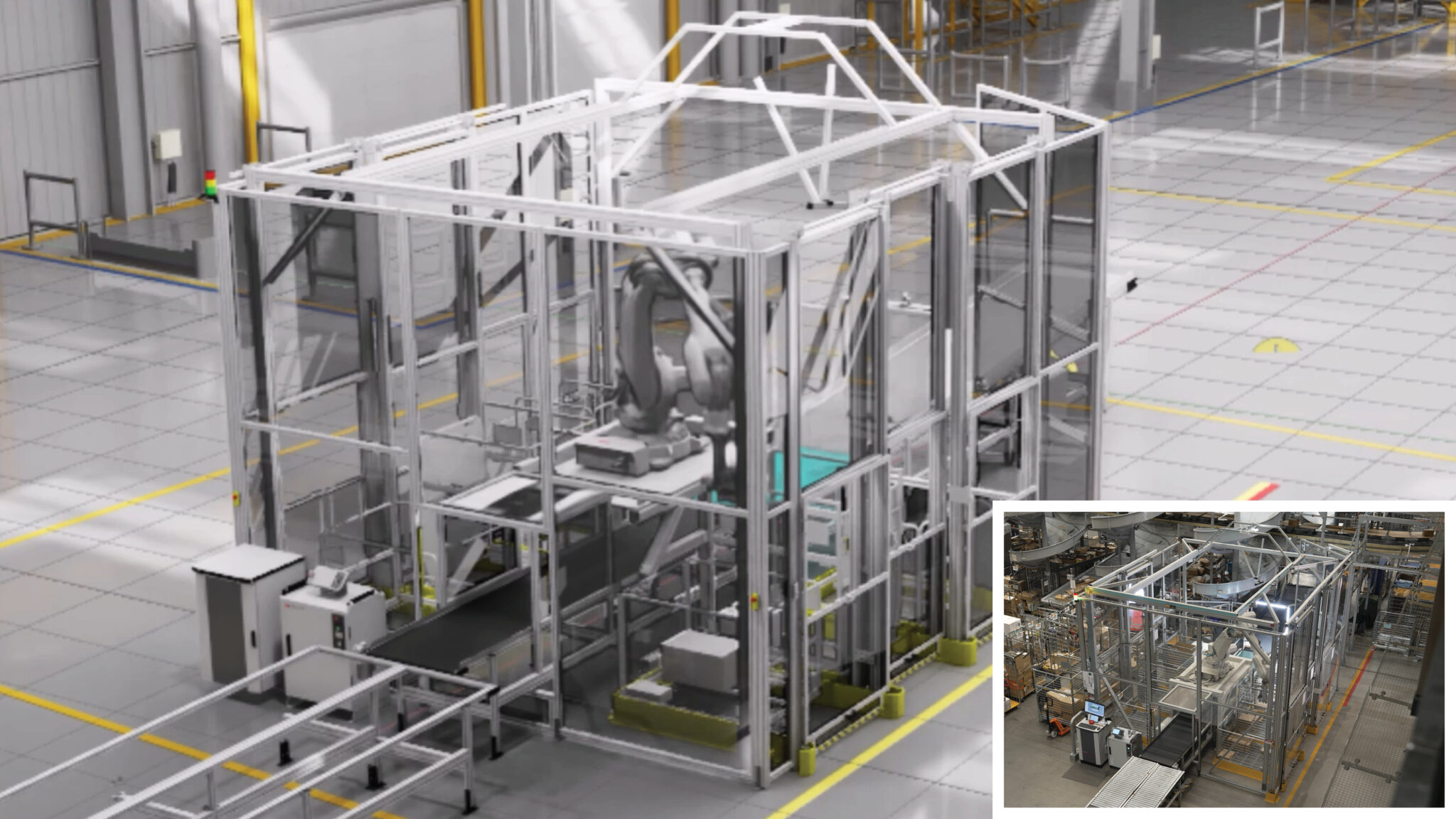
ABB Robotics has entered a strategic collaboration with NVIDIA to embed Omniverse libraries into its RobotStudio platform, marking a shift toward more efficient industrial automation. The move is designed to streamline simulation processes, reducing engineering time and deployment costs by up to 40%. While the full scope of the integration remains under development, early indications suggest a focus on physically accurate modeling to enhance workflow precision.
The partnership addresses long-standing challenges in industrial AI adoption, particularly around scalability and real-world applicability. By leveraging NVIDIA’s Omniverse framework, ABB aims to deliver simulation tools that closely mirror physical environments, potentially reducing the need for extensive prototyping. This could be especially valuable for small manufacturers looking to adopt advanced automation without overhauling their existing infrastructure.
Key Engineering Tradeoffs
The integration introduces a balance between computational efficiency and simulation fidelity. While Omniverse is known for its high-precision rendering, implementing it at an industrial scale may require tradeoffs in processing power or latency. ABB’s RobotStudio, which currently supports a range of robotic models, will need to adapt its underlying architecture to accommodate these demands without compromising performance.
What Small Businesses Should Know
- Improved Simulation Accuracy: The integration promises more realistic modeling, reducing errors in virtual testing and deployment.
- Cost Savings: Early estimates suggest up to a 40% reduction in deployment costs, though exact figures will depend on implementation details.
- Ecosystem Compatibility: The solution is designed to work with existing ABB hardware, minimizing disruption for businesses already invested in the platform.
A potential limitation lies in the computational requirements of Omniverse, which may necessitate upgraded hardware for optimal performance. However, NVIDIA’s focus on industrial-grade solutions suggests that this hurdle could be mitigated through optimized workflows or cloud-based rendering options.
The partnership also raises questions about long-term support and updates. While both companies have a track record in industrial automation, the extent to which they will synchronize future developments remains unclear. For small businesses, the key takeaway is the potential for faster, more cost-effective simulation—provided the underlying infrastructure can keep pace with the demands of physical AI.