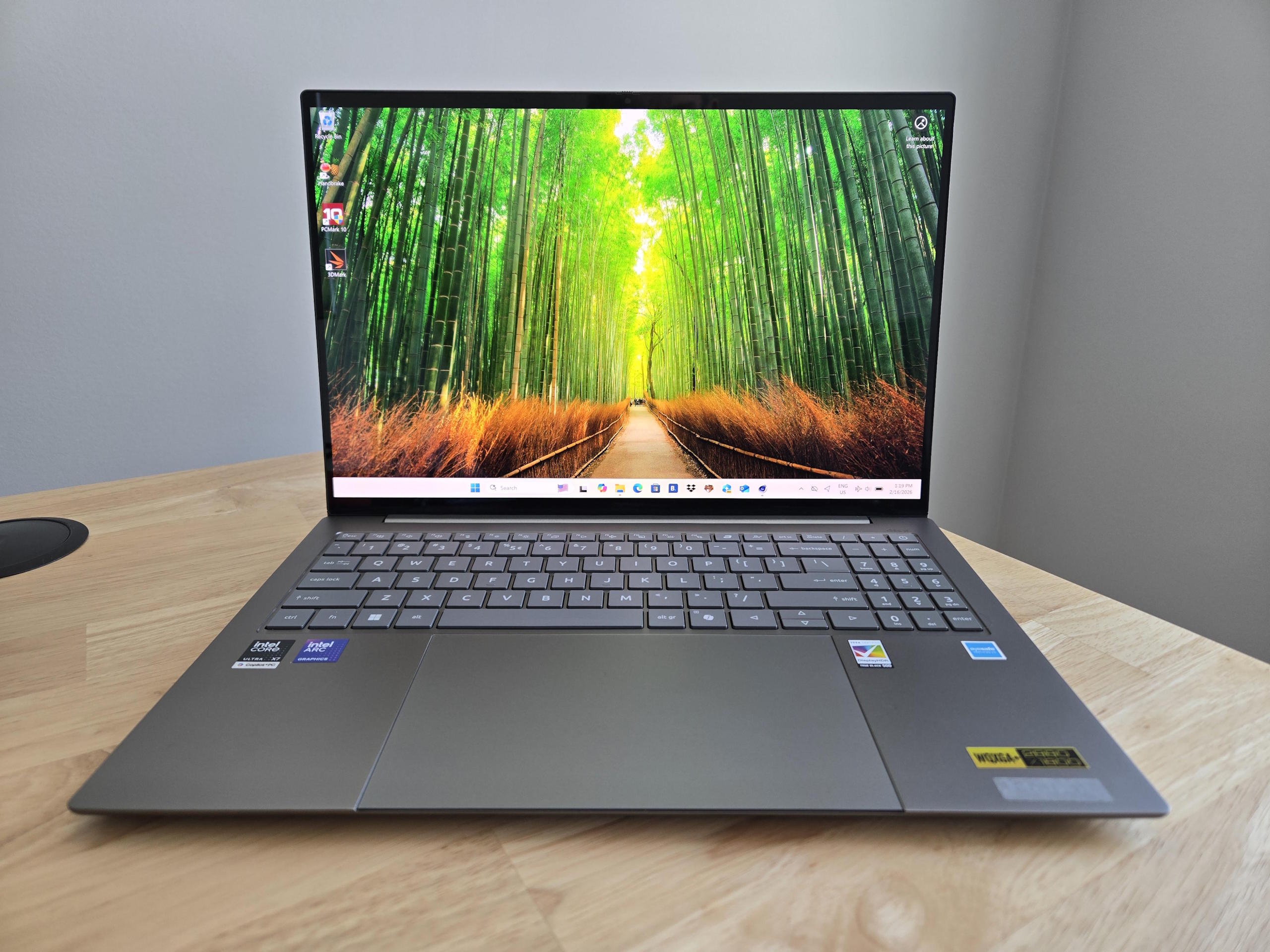
The Acer Swift 16 AI introduces a compelling tradeoff: it delivers the raw power of Intel’s Panther Lake processor while attempting to streamline AI workloads for creators. That’s the upside—here’s the catch.
Intel’s 14th-generation CPUs, codenamed Panther Lake, bring significant improvements in core counts and efficiency, but they also push thermal limits that force a shift in cooling strategies. The Swift 16 AI embraces this challenge with a slim chassis and an aggressive vapor chamber, aiming to keep workloads smooth without sacrificing portability.
Performance under pressure
The heart of the Swift 16 AI is Intel’s Core i7-14650H processor, a six-core, twelve-thread chip that clocks up to 4.3 GHz on single cores and 3.9 GHz on all cores. This isn’t just about raw clock speeds; Panther Lake introduces new microarchitecture features designed to improve power efficiency while maintaining performance.
- 18 GB of DDR5-6000 RAM, a step up from previous generations, ensuring smooth multitasking for demanding applications like video editing or 3D rendering.
- 512 GB PCIe 4.0 SSD storage, which is standard but leaves room for expansion via an M.2 slot, crucial for creators who deal with large project files.
- A vapor chamber cooling system that spans nearly the entire underside of the laptop, paired with dual exhaust fans to manage heat without adding bulk.
These specs are designed to handle both everyday tasks and specialized workloads, but the real question is whether the thermal management lives up to the performance claims. Early benchmarks suggest the Swift 16 AI can sustain high workloads for longer periods than previous generations, though sustained rendering sessions still push the cooling system to its limits.
AI optimization: more than just marketing
Acer has positioned the Swift 16 AI as a tool for creators who want to integrate AI-assisted workflows without sacrificing performance. This isn’t just about faster processing; it’s about rethinking how software interacts with hardware.
- Intel’s Thread Director technology, now more refined in Panther Lake, allows the operating system and applications to direct specific tasks to either performance cores or efficiency cores, reducing power consumption while maintaining responsiveness.
- Acer’s own AI-optimized drivers and firmware tweaks aim to reduce latency in AI-driven tasks, such as real-time object detection or background noise suppression during video calls.
However, the practical benefits of these optimizations depend heavily on the software ecosystem. While Intel has made strides in improving its AI acceleration libraries, many third-party applications still rely more on GPU power for heavy lifting. The Swift 16 AI’s integrated Intel Arc graphics (based on the Alchemist architecture) offer better performance than previous generations but are no match for dedicated GPUs in professional-grade tasks.
The cost of innovation
Performance and efficiency come at a price, both literal and figurative. The Swift 16 AI starts at $1,499, placing it in the premium segment of the laptop market. That’s a significant investment for features that may not yet be fully realized.
- The vapor chamber cooling system, while effective, adds complexity to the design, potentially increasing long-term maintenance costs if liquid metal leaks or fans wear out prematurely.
- Battery life is a mixed bag: while idle tasks see decent endurance, sustained workloads drain the battery quickly, forcing creators to rely on external power for extended sessions.
The real risk isn’t just the upfront cost—it’s platform lock-in. Creators who invest in AI-optimized workflows today may find themselves tied to Intel’s ecosystem for years, as switching to AMD or other platforms could mean losing out on future optimizations and compatibility tweaks.
A step forward, but not a revolution
The Acer Swift 16 AI represents a meaningful evolution in laptop design, blending Intel’s Panther Lake performance with aggressive cooling and AI-focused optimizations. It’s a product that asks creators to rethink their workflows—not just in terms of raw power, but in how they integrate emerging technologies like AI acceleration.
That said, the tradeoffs are real. The cooling system is a marvel of engineering but comes with its own set of challenges, and the AI optimizations are still playing catch-up to what dedicated GPUs can offer. For creators who need maximum flexibility, this might not be the right tool yet. But for those willing to embrace Intel’s vision, it’s a promising step forward.