The pairing of LPDDR6 RAM and UFS 5.0 storage in next-generation smartphones represents a leap forward in speed, but at a price that challenges the economics of mid-range device development. Industry sources indicate that this combination now costs more than the Snapdragon 8 Elite Gen 2 Pro processor itself—a trend that suggests it will remain exclusive to ultra-premium flagships for the foreseeable future.
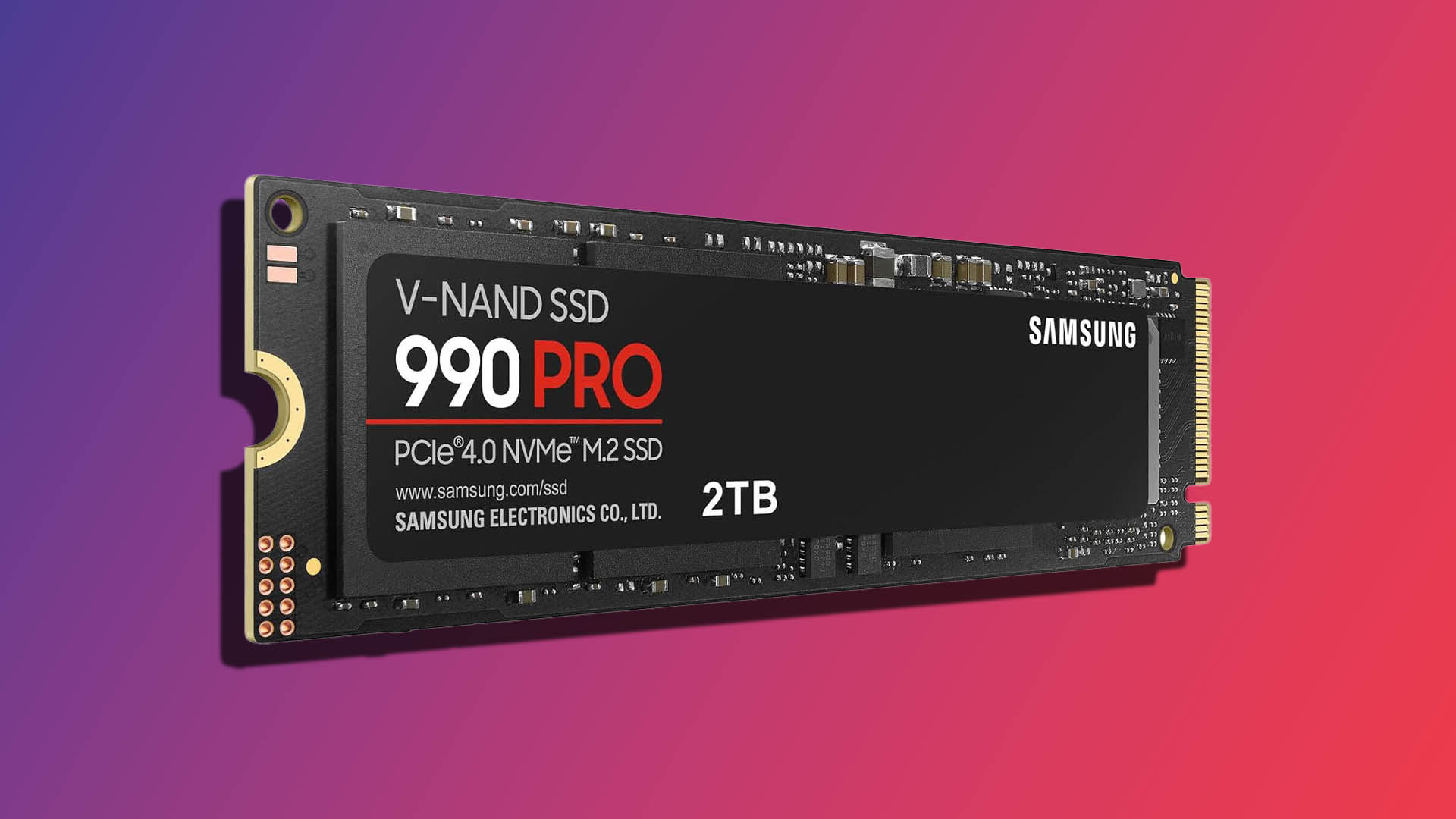
LPDDR6, the latest evolution in mobile RAM, offers a 50% increase in bandwidth over its predecessor, LPDDR5X. When paired with UFS 5.0 storage, which delivers up to 20 Gbps sequential read speeds, the result is a system capable of handling large data loads with unprecedented efficiency. However, this performance comes at a steep cost: current estimates place the combined price of these components at around $60–$70 per device, significantly higher than the $50–$60 range for the Snapdragon 8 Elite Gen 2 Pro chipset.
Performance and practical implications
The speed gains from this memory pairing are substantial. LPDDR6's increased bandwidth allows for faster app launches, smoother multitasking, and improved gaming experiences. UFS 5.0, meanwhile, reduces file transfer times and enhances overall system responsiveness. These improvements are particularly noticeable in tasks that rely heavily on storage access, such as loading large applications or transferring high-resolution media.

However, the economic reality is that this configuration will likely limit its adoption to only the highest-end smartphones. The cost of integrating LPDDR6 and UFS 5.0 far exceeds the price of the processor itself, raising questions about whether mid-range devices can ever achieve similar performance levels without sacrificing other features or increasing prices significantly.
Key specs
- LPDDR6: Up to 8,533 Mbps peak bandwidth, 50% higher than LPDDR5X.
- UFS 5.0: Up to 20 Gbps sequential read speed, significant improvement over UFS 4.0's 17 Gbps.
The implications for manufacturers are clear: this memory combination is a double-edged sword. On one hand, it offers performance that justifies its premium positioning in flagship devices. On the other, it creates a financial barrier that makes it impractical for anything but the most expensive smartphones. For consumers, this means that the benefits of LPDDR6 and UFS 5.0 will be reserved for those willing to invest in top-tier devices, while mid-range and budget options continue to rely on older, more cost-effective memory technologies.
As the industry moves forward, the challenge will be balancing performance with affordability. Whether manufacturers can find ways to reduce costs or introduce incremental improvements that don't require such a steep price increase remains an open question. For now, the LPDDR6 and UFS 5.0 pairing stands as a benchmark for what is possible—but at a cost that may not be sustainable for the broader market.