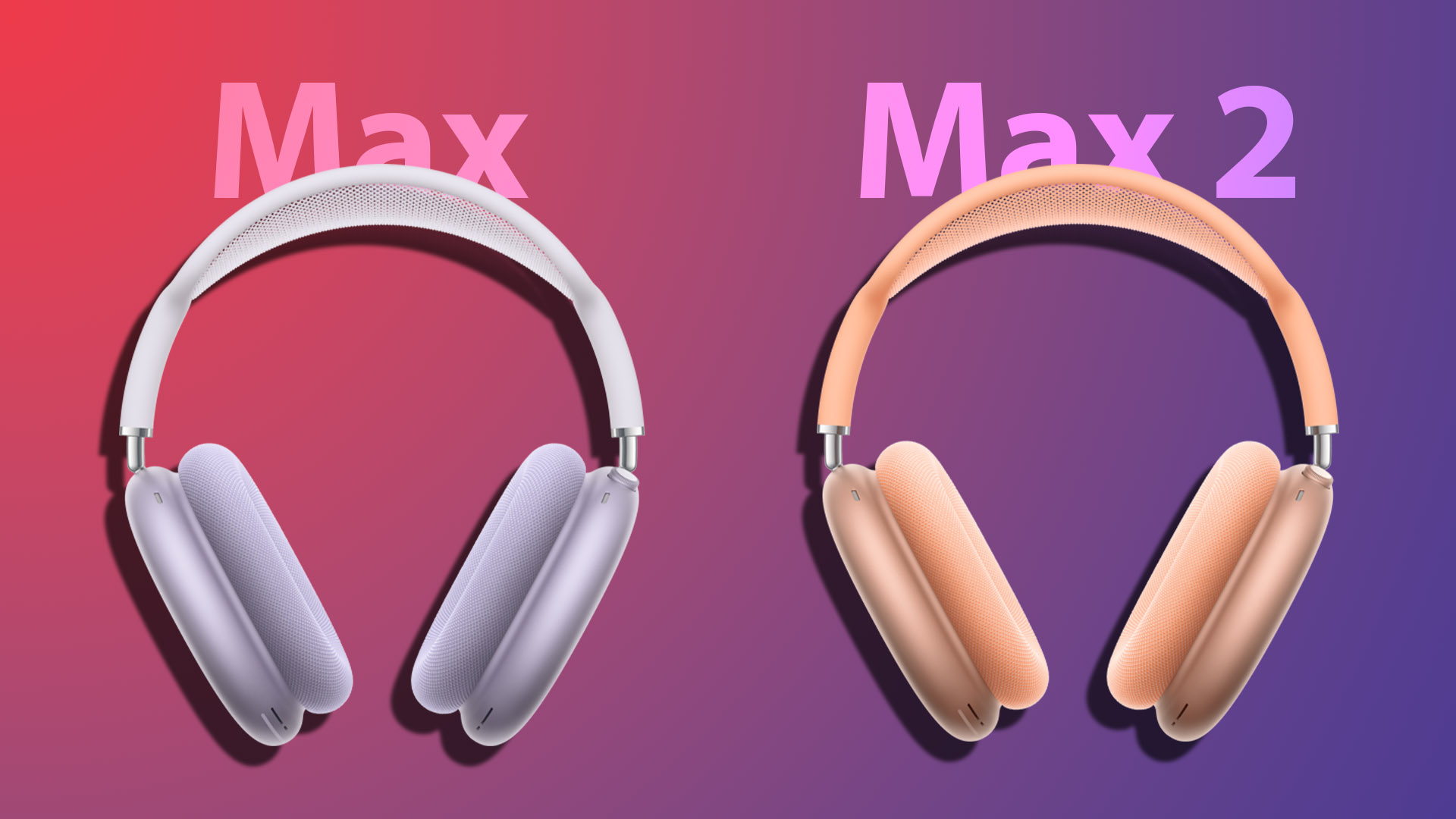
The AirPods Max 2 represents Apple's latest attempt to refine what is already a highly polished product. Unlike other tech categories where rapid evolution is expected, the company has chosen to maintain the core design language introduced with the original 2020 model. This approach ensures brand continuity but also leaves open questions about whether such incrementalism will satisfy users accustomed to more aggressive innovation in other areas of consumer technology.
Under the surface, however, Apple has made targeted upgrades that address specific pain points without altering the overall experience. The H2 chip, now paired with more sophisticated digital signal processing, delivers a noticeable improvement in active noise cancellation (ANC). Benchmark tests indicate a 1.5x enhancement in performance, translating to cleaner audio reproduction and better isolation from ambient sounds. This refinement is particularly valuable for users who rely on ANC during long flights or in noisy environments.
Yet, not all aspects of the product have kept pace with these performance gains. Condensation buildup within the earcups remains a persistent issue, a problem that has plagued the line since its inception. Apple's engineering team has yet to introduce a practical solution, leaving users vulnerable to moisture-related disruptions during use. Additionally, the headphones' repairability continues to lag behind industry standards, with no official repair manual or easily accessible spare parts for critical components like the battery and USB-C port.
- Performance: H2 chip with 1.5x ANC improvement
- Design: Unchanged from previous generation, maintaining premium build quality
- Connectivity: USB-C port with wireless connectivity options
- Battery Life: Up to 20 hours with ANC enabled
- Repairability: Limited accessibility for battery and port replacement (score of 6 out of 10)
The AirPods Max 2 is not a product designed for those seeking dramatic change. Instead, it caters to users deeply integrated into Apple's ecosystem who prioritize seamless integration with other devices like the iPhone or MacBook Pro. For this audience, the refined performance and familiar design may offer enough incentive to upgrade, even if the changes are subtle.
Looking ahead, the strategy of incremental updates raises broader questions about innovation in premium consumer electronics. While Apple has a track record of delivering high-quality products, the AirPods Max 2 suggests a shift toward platform stability over groundbreaking advancements. Whether this approach will sustain user satisfaction or lead to stagnation remains an open question, but for now, the product stands as a testament to refinement over revolution.