An IT manager testing the Galaxy S26 FE finds it handling daily tasks smoothly but notices a lag when switching between apps—a delay that doesn’t match the fluidity of the flagship model.
This performance gap is not just anecdotal. Benchmark data shows the mid-range variant can be up to 33% slower than its Exynos-powered counterpart, the Galaxy S26. The difference isn’t just in raw speed; it extends to efficiency and power management, suggesting a deliberate trade-off for cost savings.
The Exynos 2600 chip, used in the flagship model, delivers stronger multi-core performance and better thermal behavior, which translates to longer battery life under heavy loads. In contrast, the mid-range variant relies on a more budget-friendly architecture that prioritizes affordability over peak performance.
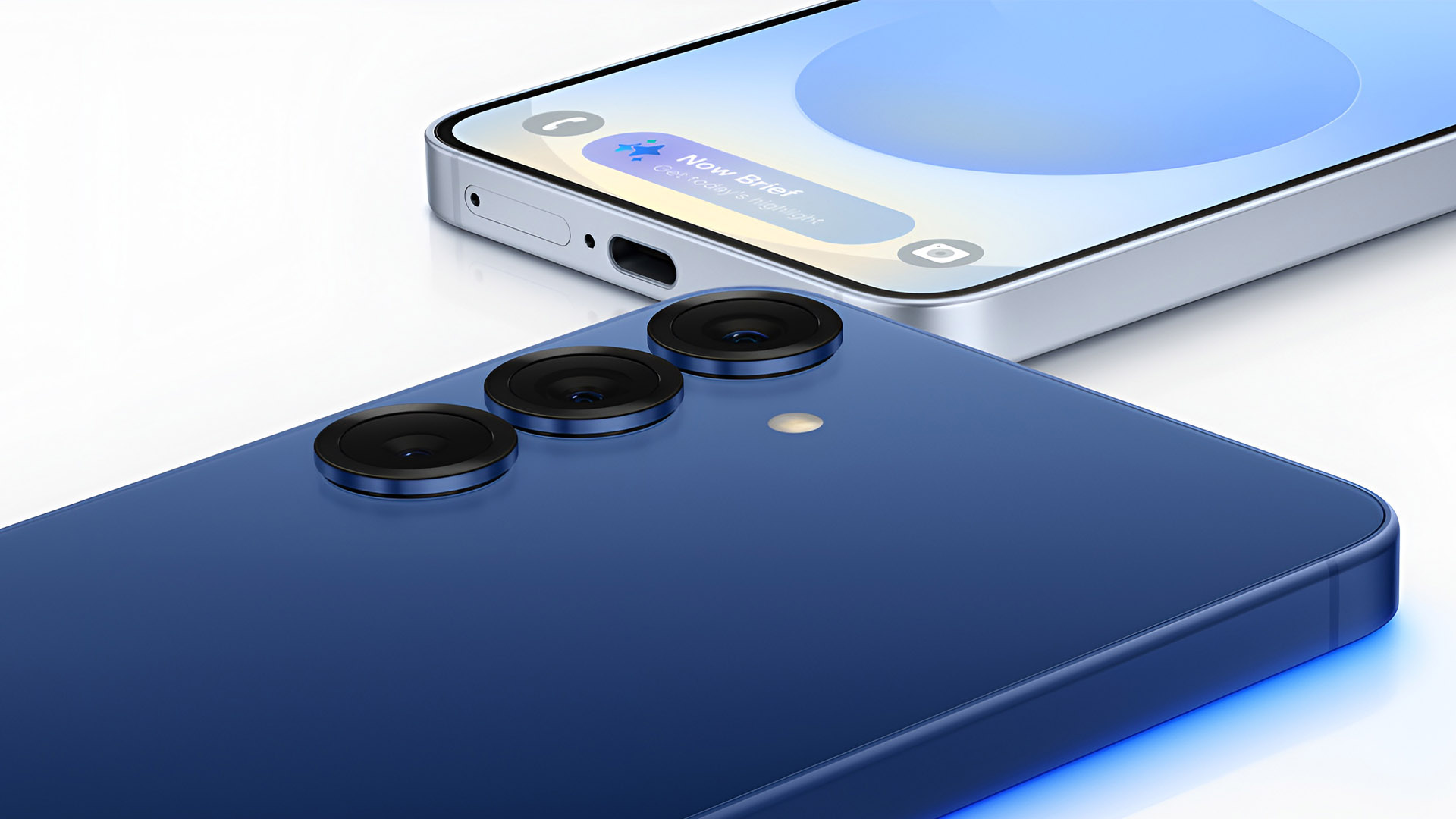
- Performance: Up to 33% slower in benchmarks compared to the flagship model.
- Chipset: Mid-range variant uses a less powerful chip than the Exynos 2600.
- Battery Life: Flagship model offers better efficiency under sustained workloads.
- Thermal Behavior: Exynos 2600 handles heat more effectively, reducing throttling.
The implications for IT teams are clear. The Galaxy S26 FE is designed for users who prioritize value over raw performance, but the trade-offs mean it won’t suit workloads demanding high-end processing. For enterprises looking to deploy mid-range devices, this raises questions about longevity and scalability.
Samsung’s strategy here reflects a broader trend in the industry, where mid-range devices are increasingly seen as cost-effective alternatives rather than performance-critical tools. This shift could influence how IT departments evaluate their hardware investments, balancing immediate savings against long-term needs.