The Rotary Mouse by Airra is poised to redefine how users interact with digital content, swapping the familiar scroll wheel for a horizontal rotary dial that delivers both speed and precision. Weighing just 59 grams, this wireless peripheral blends lightweight design with an unconventional input method, one that its creators claim can outperform conventional wheels in both performance and ergonomics.
Launching on Kickstarter with a 65% discount—dropping the price to $49 from the original $139—the Rotary Mouse is designed to offer the high-speed scrolling of free-spinning wheels, such as those found on premium models like Logitech’s MX Master series, while retaining the tactile feedback of notched wheels. This dual benefit could appeal to users who work extensively with long documents or need precise control in applications like video editing or gaming, where timeline scrubbing is critical.
The rotary dial also addresses a common concern for power users: repetitive strain injuries (RSIs). Traditional scroll wheels require a back-and-forth motion that can strain finger joints over time. Airra’s design eliminates this by allowing users to rotate the dial in one direction, reducing physical stress while maintaining accuracy. This could be particularly valuable for professionals who spend hours navigating large datasets or adjusting timelines.
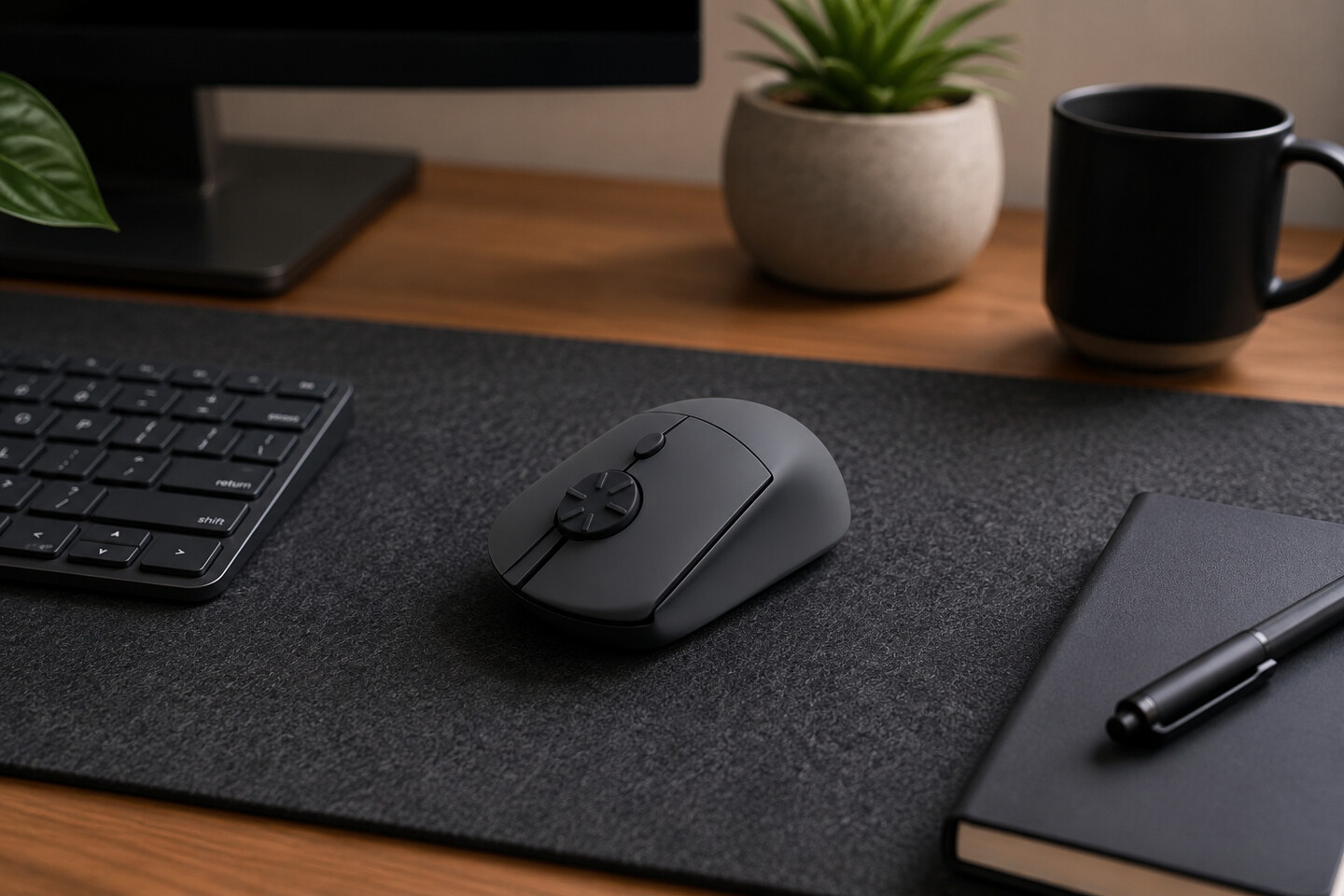
Beyond its core functionality, the Rotary Mouse supports both 2.4 GHz wireless and Bluetooth connectivity, ensuring compatibility with a wide range of devices. It includes tactile left and right click buttons but omits traditional side buttons for backward and forward navigation, focusing instead on simplicity and efficiency. The Kickstarter campaign teases a potential vertical version in development, though no details have been confirmed.
For enterprise buyers, the Rotary Mouse presents an intriguing alternative to standard peripherals, especially in environments where productivity and ergonomics are key considerations. Its ability to reduce strain while maintaining speed could make it a compelling choice for teams handling extensive data or creative work. However, its niche design may limit its appeal outside specific workflows.
As the campaign approaches, the focus will be on whether the rotary dial can deliver on its promises without sacrificing usability. If successful, this mouse could set a new benchmark for input devices that prioritize both performance and user comfort.