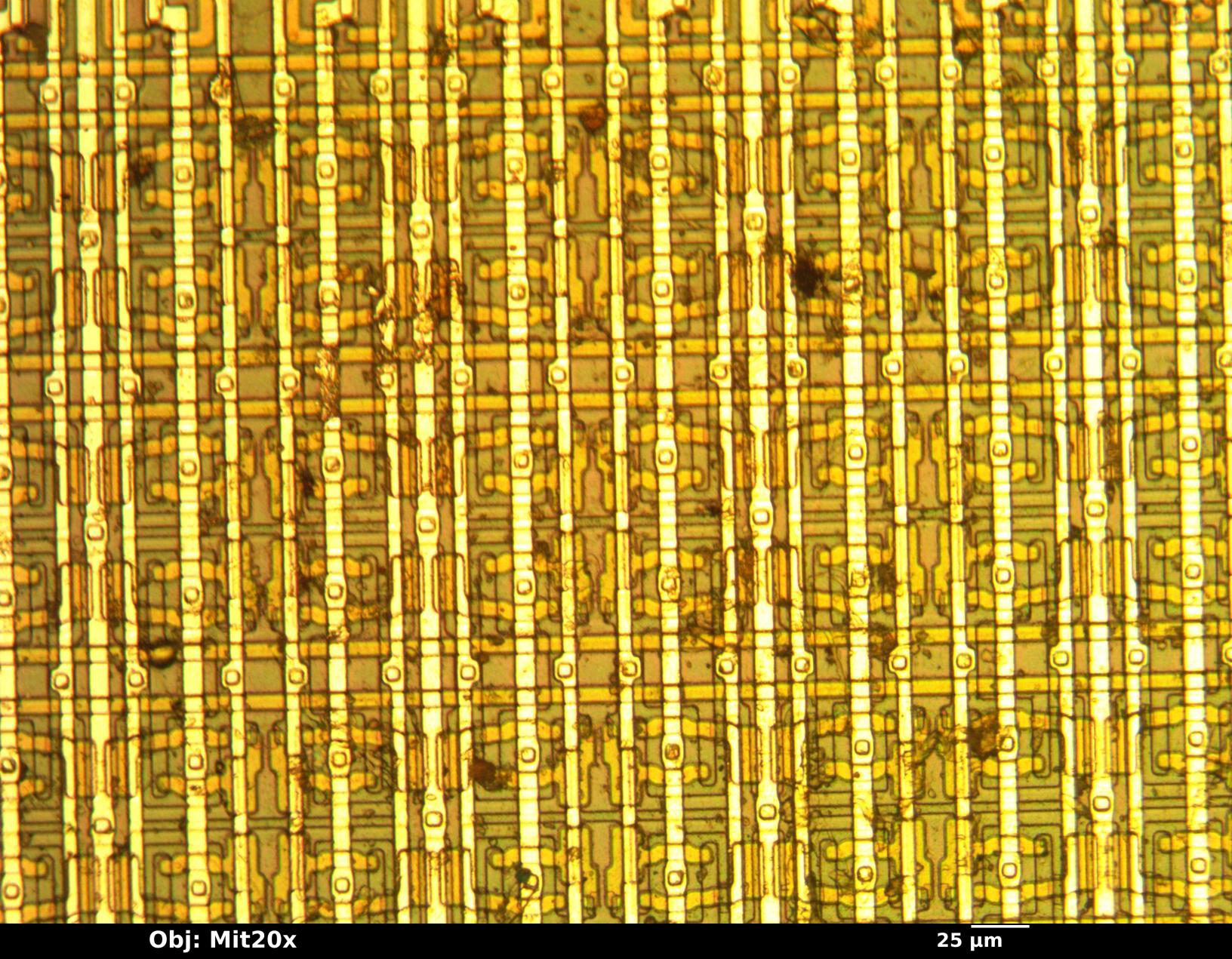
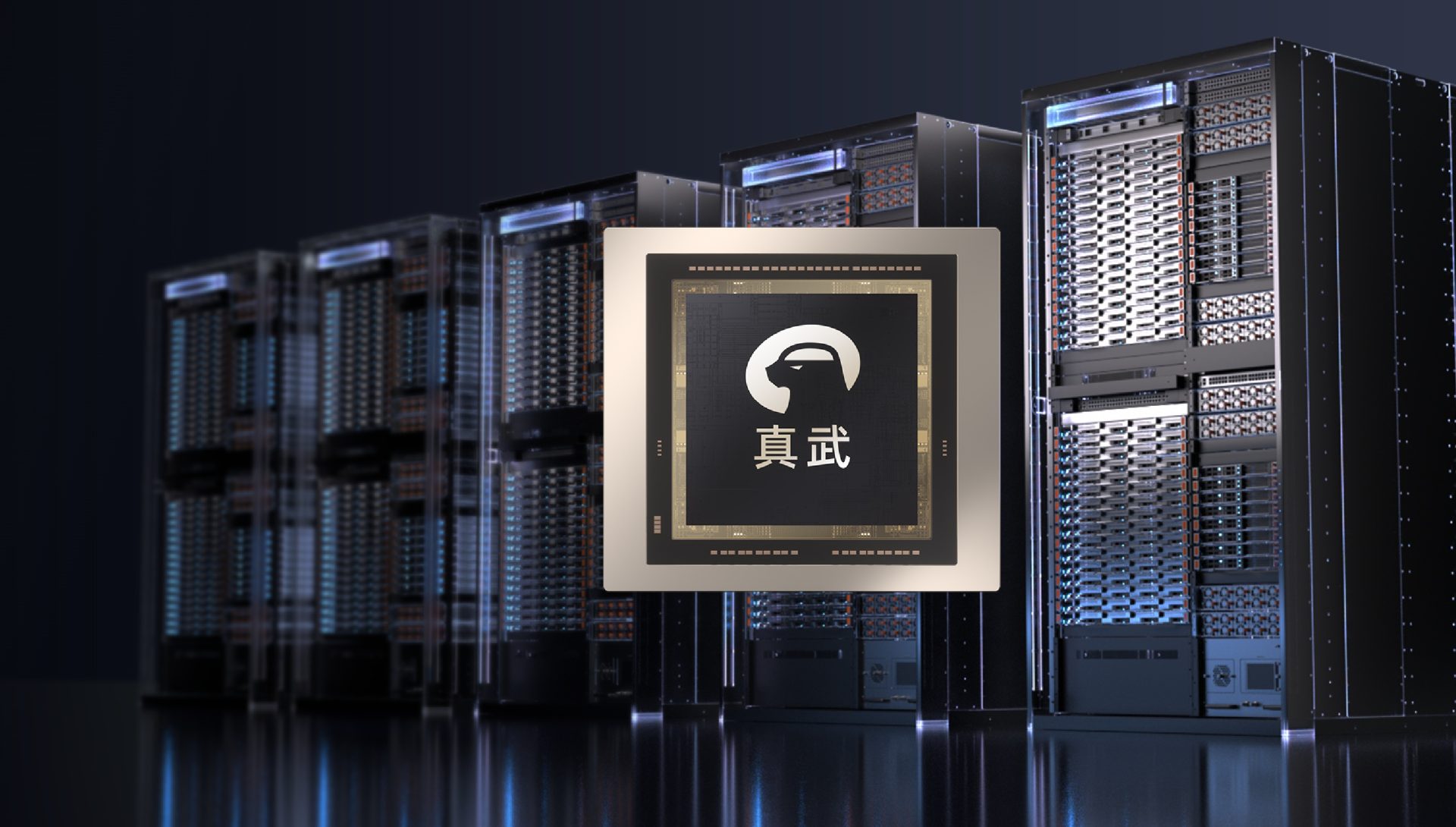
Alibaba has launched the Zhenwu M890, an AI-focused processor designed to rival NVIDIA’s Hopper architecture. The chip is positioned as a high-performance solution for large-scale data centers, with a focus on memory bandwidth and computational efficiency. Its 144GB HBM3 support suggests it is targeting next-generation AI workloads that demand significant memory capacity.
The Zhenwu M890 is built using an advanced manufacturing process, which Alibaba claims improves compute density while maintaining power efficiency. Unlike traditional GPUs, the chip incorporates a proprietary AI architecture tailored for specialized workloads, potentially offering advantages in certain AI tasks over established competitors.
- Performance: 3x that of NVIDIA’s H20
- Memory Support: Up to 144GB HBM3
- Architecture: Custom AI design with optimized process node
- Target Use Case: Large-scale data centers and AI applications
The chip is not just a one-off product but part of Alibaba’s broader strategy in the AI hardware space. The company has outlined a roadmap that extends through 2028, hinting at continuous improvements in performance, efficiency, and memory capacity. This long-term vision suggests Alibaba is committed to competing with established players like NVIDIA.
While the Zhenwu M890’s specifications are impressive on paper, its real-world impact remains to be seen. Industry analysts will closely examine how it performs in benchmark tests and practical AI workloads. If it delivers as promised, it could reshape the landscape for data center AI chips, particularly for organizations looking to reduce reliance on NVIDIA.
For now, the Zhenwu M890 represents a significant milestone for Alibaba, demonstrating its ability to develop high-performance AI hardware. Whether it can sustain this momentum and carve out a lasting presence in the market will depend on execution, adoption, and how it evolves against NVIDIA’s ongoing advancements.