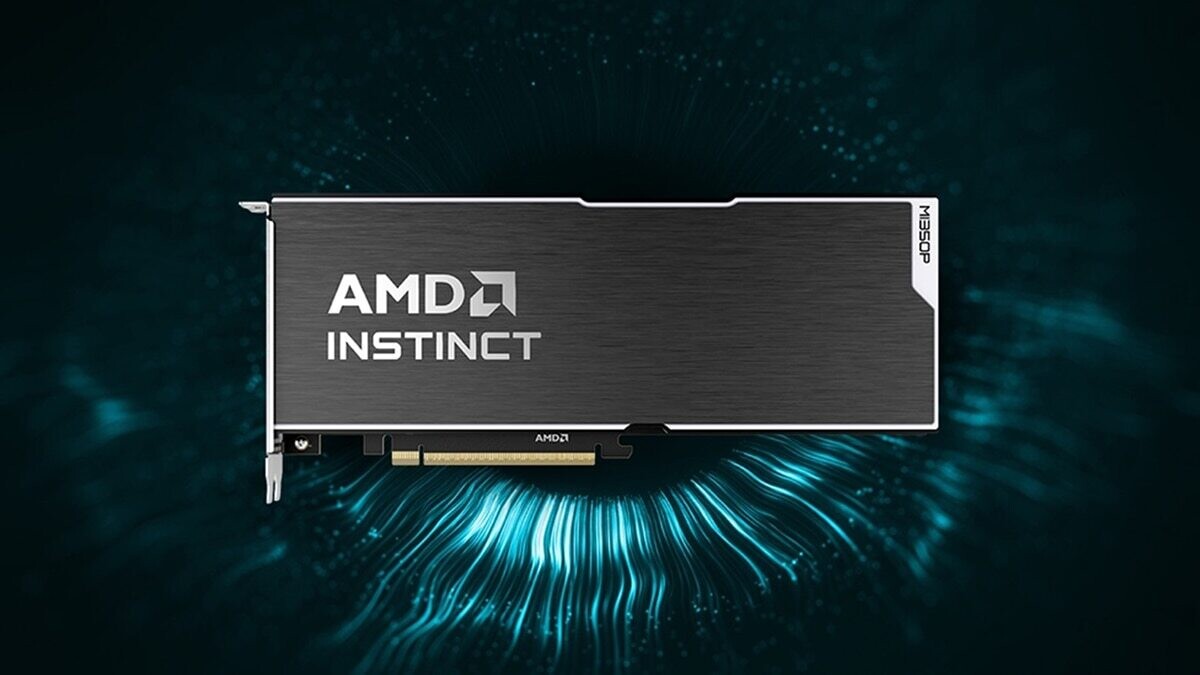
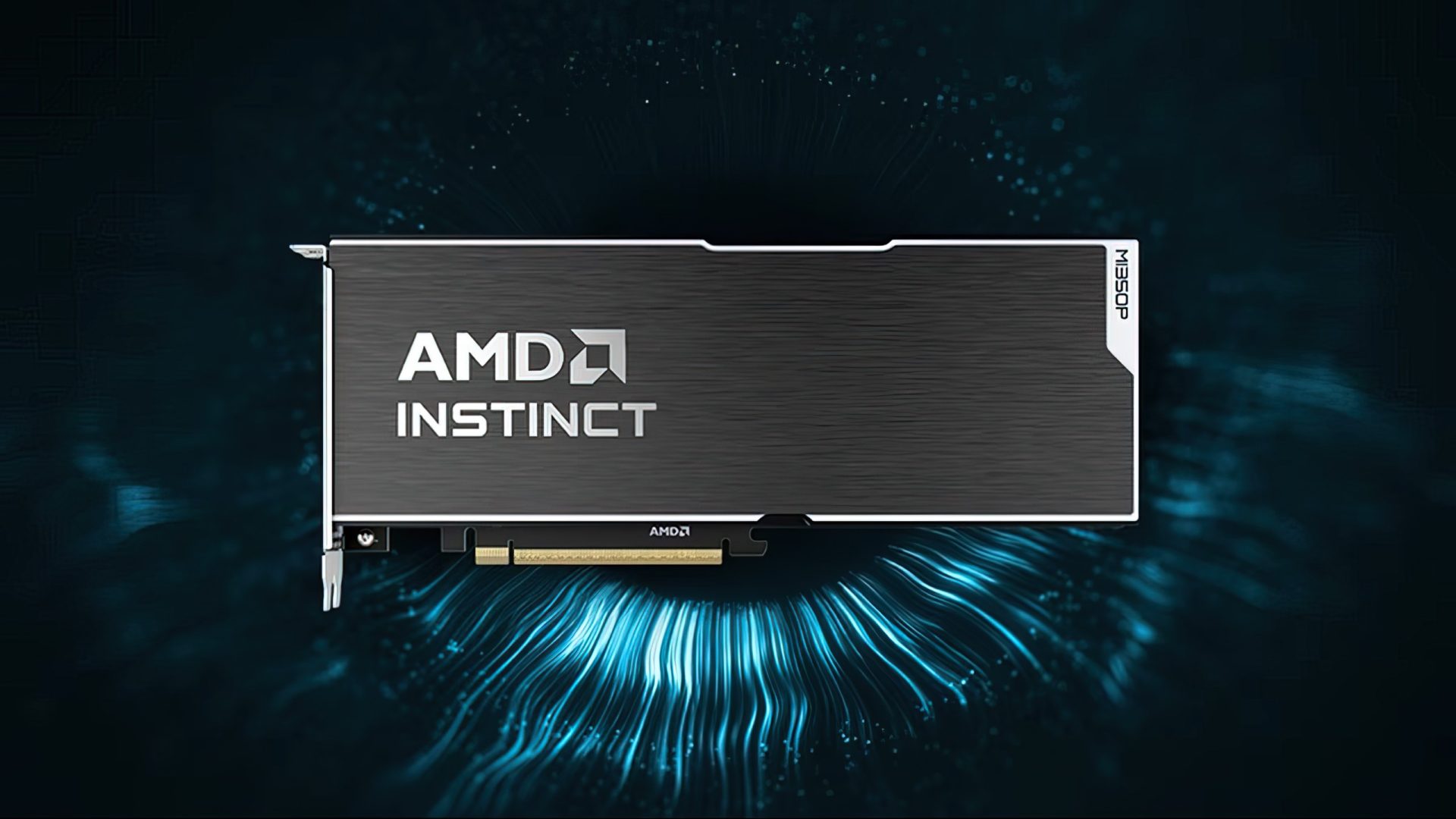
AMD’s MI350P is more than just an entry into the PCIe Instinct market—it represents a strategic pivot that could reshape how enterprises approach AI acceleration. Unlike previous generations, this platform doesn’t merely increment performance; it redefines what’s possible in terms of compute density and memory bandwidth, positioning AMD as a serious competitor in a segment dominated by specialized hardware.
The core of the MI350P is its CDNA 4 GPU architecture, which delivers 4.6 PFLOPs of AI-focused compute power. This isn’t just about raw numbers; it’s about optimizing that performance for real-world enterprise workloads—whether training large language models or running complex simulations. The inclusion of 144 GB of HBM3E memory further cements its appeal, addressing the memory-hungry nature of modern AI applications without sacrificing power efficiency. With a 600W TDP, AMD has struck a balance that could make it a more attractive option than some of its higher-power competitors.
The MI350P’s architecture is designed to handle the dual pressures of performance and cost in enterprise environments. While rivals often focus on either raw speed or memory capacity, this platform does both effectively. Its ability to integrate seamlessly into existing data center infrastructures—without requiring complete overhauls—could accelerate adoption in industries where AI workloads are growing exponentially.
Market dynamics will ultimately determine the MI350P’s success. AMD is already a known quantity in the x86 space, but its foray into AI acceleration requires more than just technical prowess; it demands trust from enterprises that have historically relied on NVIDIA or other specialized vendors. If adoption follows the trajectory of AMD’s previous enterprise products, this could be a quiet but steady gain in market share—a slow burn rather than an overnight revolution.
Looking ahead, the MI350P sets the stage for what could become a more competitive landscape in AI acceleration. Its specifications suggest that AMD is serious about challenging the status quo, and if it delivers on its promises of scalability and efficiency, it may force other vendors to rethink their strategies. For now, though, the real test will be how quickly enterprises embrace this new player—and whether it can translate raw performance into tangible business value.