AMD has quietly laid out two major gaming hardware milestones for 2026 and beyond: the return of Valve’s Steam Machine, now confirmed for early 2026, and the architectural blueprint for Microsoft’s next-gen Xbox SoC, codenamed Magnus. The latter is shaping up to be one of the most ambitious gaming chips ever built, with a die area larger than any consumer console APU to date and specs that suggest Microsoft is aiming to merge console convenience with PC-like flexibility.
The Steam Machine’s revival is the more immediate development, though its hardware details remain under wraps. Meanwhile, the Xbox Magnus SoC—expected to debut in 2027—is already leaking technical specifics that hint at a radical departure from traditional console design. If these rumors hold, the chip could redefine what a gaming console looks like.
At the heart of the Xbox Magnus SoC is a hybrid CPU-GPU architecture built on TSMC’s advanced N3P process. The GPU portion alone spans 264 mm², packed with 68 RDNA 5 compute units and four shader engines, backed by up to 24MB of L2 cache. Memory support jumps to 48GB of GDDR7 over a 192-bit bus, a configuration more commonly seen in high-end desktops than consoles. The CPU side features an 11-core design—three high-performance Zen 6 cores and eight efficiency-focused Zen 6c cores—paired with a dedicated NPU capable of 110 TOPS of AI acceleration.
This isn’t just about raw power, though. Microsoft’s vision appears to blend console simplicity with PC-like customization, potentially offering two distinct form factors: a traditional all-in-one console and a modular PC-like system. The approach contrasts sharply with Sony’s PlayStation 6 rumors, which suggest a more conventional, console-centric design.
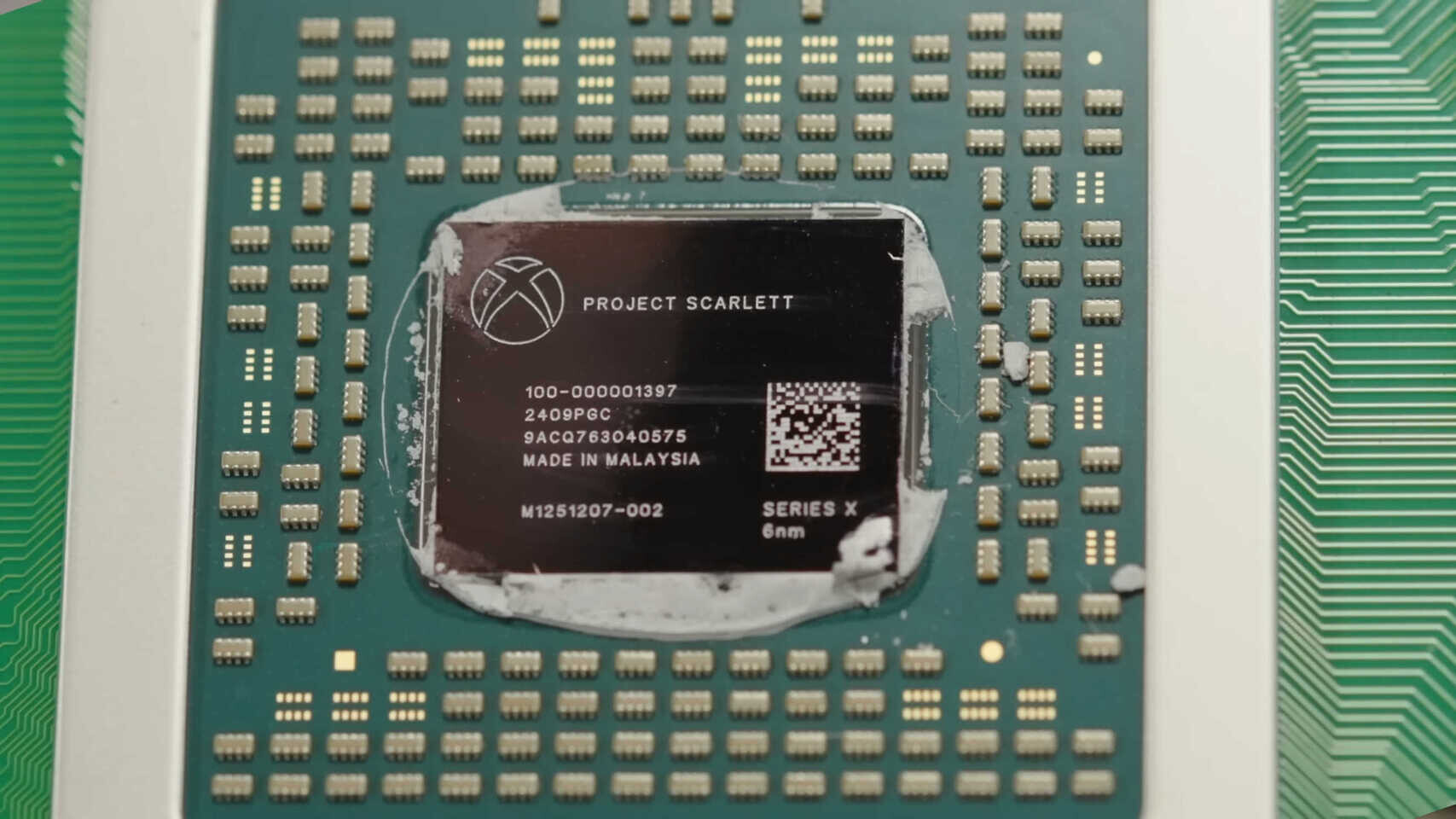
Key specs: Xbox Magnus SoC (rumored)
- Process: TSMC N3P (GPU) + 3 nm (I/O)
- CPU: 11 cores (3x Zen 6 + 8x Zen 6c)
- GPU: 68 RDNA 5 compute units, 4 shader engines, up to 24MB L2 cache
- Memory: Up to 48GB GDDR7, 192-bit bus
- NPU: Up to 110 TOPS AI performance
- Die size: 408 mm² (144 mm² N3P SoC + 264 mm² GPU)
The specs suggest a chip designed for both raw performance and future-proofing. The 48GB GDDR7 memory allocation, for instance, implies support for high-resolution textures, ray tracing, and even multi-monitor setups—features typically reserved for gaming PCs. The NPU’s 110 TOPS capability could enable real-time AI upscaling, voice processing, and even on-device machine learning for gaming applications.
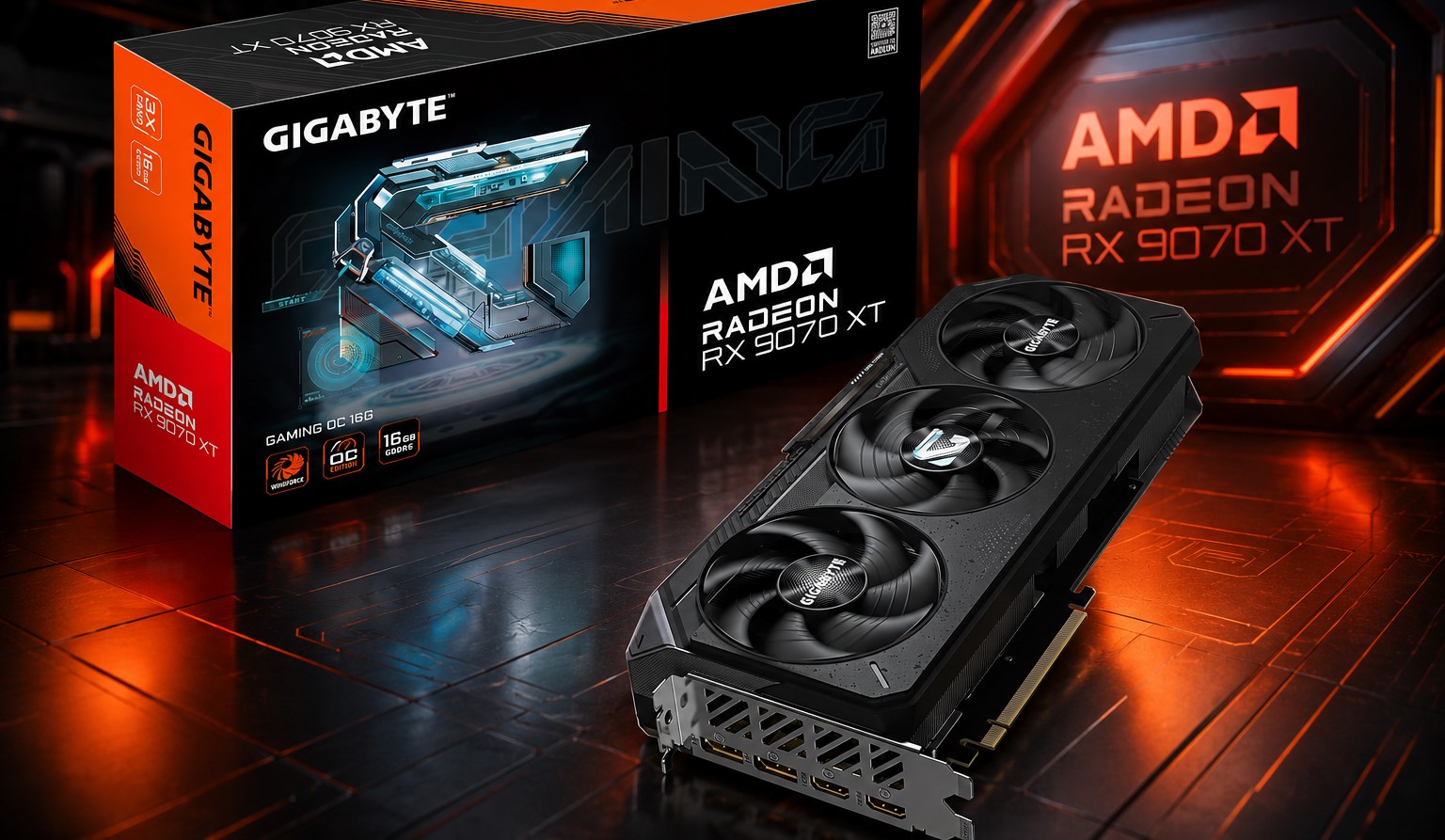
Thermal and power constraints remain unclear, but the 200W TDP of AMD’s latest Ryzen 9000X3D desktop CPU offers a rough benchmark for what might be feasible. If the Magnus SoC follows a similar power envelope, it could deliver sustained performance rivaling high-end GPUs like the RX 9070 XT, which is built on TSMC’s 2 nm process—a node AMD is also leveraging for its CCDs in Zen 6.
For gamers, the bigger question is whether Microsoft will deliver on its hybrid vision. If the Steam Machine and Xbox Magnus both materialize as planned, 2026–2027 could mark a turning point in gaming hardware, where the boundaries between console, PC, and cloud gaming blur further than ever.
Pricing and exact configurations for the Steam Machine remain unconfirmed, while the Xbox Magnus SoC’s details are still speculative. AMD’s earnings call hinted at challenges in the semi-custom SoC market, with revenue expected to dip in 2026 as the console cycle matures. However, the company’s focus on next-generation architectures—like RDNA 5 and Zen 6—suggests long-term confidence in its ability to meet Microsoft’s demands.