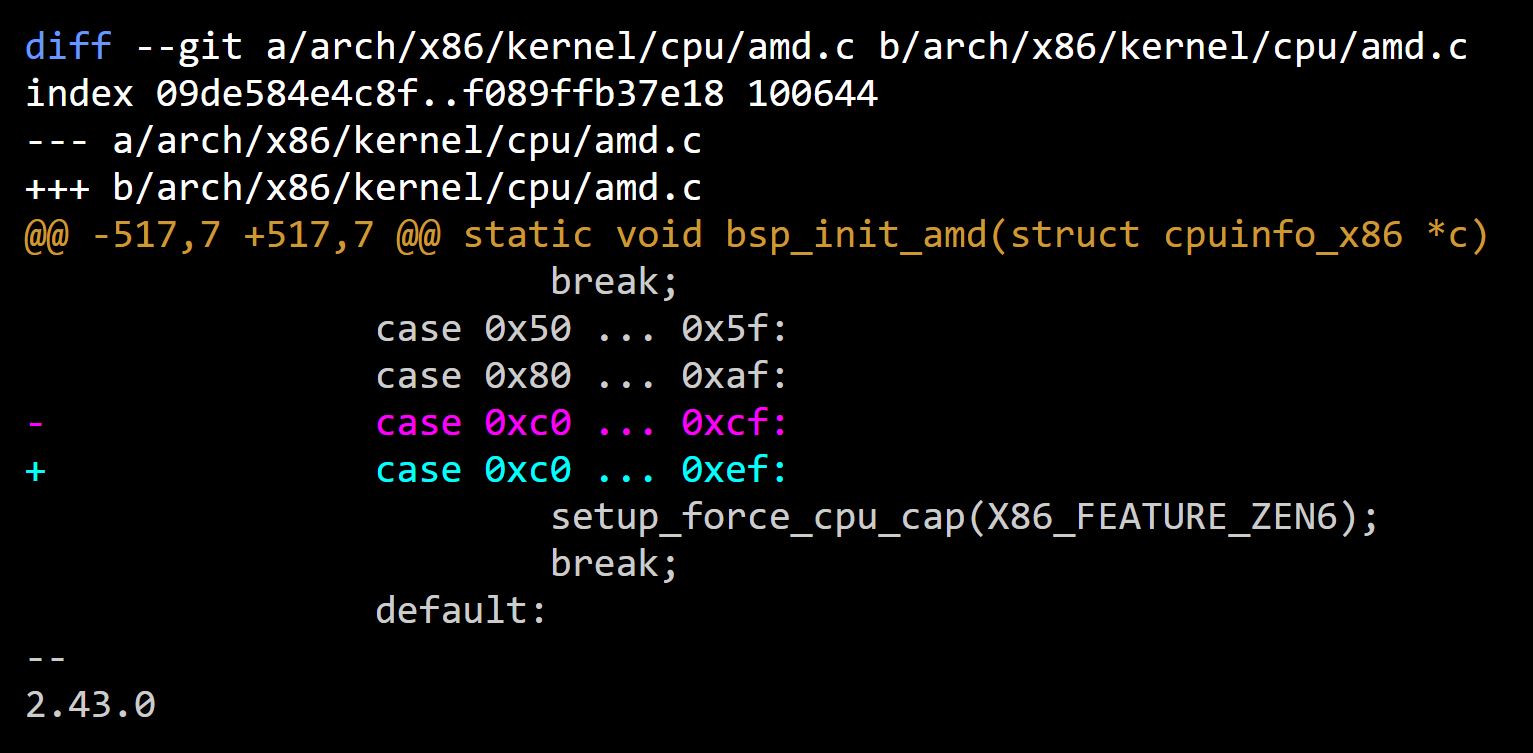
Computex 2026 Hardware From Zen 5 Refreshes To Next-Gen CPUs, Here’s What To Expect From AMD At Computex 2026 Sarfraz Khan • at EDT Add on Google AMD's upcoming product stack is a complete mystery, but here are a few things we can expect at the Computex. Zen 5-Based Desktop/Mobile Chips, Zen 6-Based Medusa Point, and More; Here's Everything We Know About AMD's New Product Stack The Computex 2026 event is scheduled for next week in Taipei, Taiwan, and major vendors have already prepared for their presentations. After CES, this event is the most anticipated one throughout the year as almost every hardware maker presents their new and upcoming product stacks. The three major hardware players are also expected to reveal the latest hardware at the event, including AMD, which we know from various reports, is preparing for upcoming chips. Related Story Infinity Ward Vows Modern Warfare 4 Stays Grounded, Slams Door on Lady Gaga, Nicki Minaj and Omni-Man SkinsAMD Zen 5 Refreshes for Desktop and Mobile AMD isn't usually done with its CPU lineups in a year or two. It generally keeps updating the catalog with more SKUs, and this is exactly what we expect at the Computex event. If you have been reading the reports, the company is still releasing Zen 4-based chips, and considering Zen 5 is the latest product stack, we can expect newer CPUs for both mobile and desktop. As far as mobile is concerned, it has already launched its newest Gorgon Halo series, which brings Ryzen AI Max+ 495 as the flagship chip with a higher boost clock than its predecessor. The company might release more SKUs in the series, and as for the desktop, AMD is likely to introduce a new X3D CPU. It's probably not going to be in the Ryzen 9000 series, but in the Ryzen 7000 lineup as we recently reported. It's the new Ryzen 7 7700X3D, which is going to boast 4.0 GHz/4.5 GHz of base/boost clocks. Ryzen 7700X3D is going to be the little sibling of Ryzen 7 7800X3D, featuring the same 8-core/16-thread configuration and 96 MB of L3 cache. Only the clocks will be affected, and the rest of the specs are expected to remain unchanged. AMD Zen 6-Based Medusa Point and Medusa Halo Image Source: (AI Generated) AMD might tease or introduce its upcoming Zen 6-based CPU stack. The chances are low, but not zero. We expect AMD to introduce Zen 6-based mobile chips before the desktop variants, which are divided into two categories: Medusa Point and Medusa Halo. Medusa Point succeeds Strix Point, but will utilize a bigger FP10 socket, as has been reported previously. Zen 6 overall is expected to bring up to 12 cores in a single CCD, and this is a big leap over existing Ryzen chips, which have been capped to just 8 cores per CCD. Medusa Point and Medusa Halo, therefore, are expected to bring a much higher core count out of the box, particularly for the flagship variants. Medusa Halo will be a particularly bigger product, just like Strix/Gorgon Halo, bringing the newer RDNA 5-based iGPU, and will be compatible with LPDDR6 memory, which is going to introduce some significant memory bandwidth boost. According to reports, Medusa Halo is set to feature up to 24 cores and 48 threads configuration and up to 96 MB of L3 cache. AMD Ryzen AI MAX Series: Family NameRyzen AI MAX 500Ryzen AI MAX 400Ryzen AI MAX 300 CodenameMedusa HaloGorgon HaloStrix Halo Process TechN2PN4N4 CPU ArchitectureZen 6Zen 5Zen 5 Max Cores / Threads24/48?16/3216/32 Max CPU ClocksTBDTBD 5.1 GHz Max L2 CacheTBD16 MB16 MB Max L3 Cache96 MB?64 MB64 MB GPU ArchitectureRDNA 5RDNA 3.5RDNA 3.5 Max GPU CoresTBD40 CUs40 CUs Max GPU ClocksTBDTBD2.9 GHz Memory SupportLPDDR6LPDDR5XLPDDR5X Memory Speed14,400 MT/s?8533 MT/s8000 MT/s Memory BandwidthTBD273 GB/s256 GB/s TDPTBDTBD45-120W Launch2027-20282026-20272025 GPUs and Gaming Handhelds As far as GPUs are concerned, we don't think AMD will be bringing out any newer discrete GPU solutions, particularly with the upcoming RDNA 5 architecture. It might introduce or release RX 9000 refreshes or expand the lineup even further, but it's unlikely to see a newer RDNA 5, aka RX 10000 series, stack at Computex. Nonetheless, it would be interesting to see what else AMD has in its pocket against Intel, which is bringing the Arc G3 chip stack for the handhelds. Having remained as the king of SoCs for gaming handhelds, many handheld makers are now adopting Intel's Panther Lake variants for their newer handhelds. AMD, on the other hand, is dependent on the Ryzen Z2 stack, which cannot compete with top chips like Arc G3 Extreme at the moment. On the other hand, Strix Halo-based handhelds are fewer and quite expensive for the masses. About the : Sarfraz Khan is a hardware with a focus on PC components and the builder community. With years of experience writing about PC hardware and laptops, his work has been featured on several reputable technology publications. Sarfraz's hands-on experience is demonstrated through his first-person accounts of using and comparing different hardware configurations, providing practical and relatable insights for everyday users. His technical analysis is respected by peers in the enthusiast community and has been cited by specialized hardware sites such as Germany's Igor's Lab. Follow on Google to get more of our news coverage in your feeds. Further Reading AT&T Lured A Disabled Customer Into Paying $35/Month, But Began Billing An Average Of 16x Higher, Followed — Exceptional Dolby Atmos PC Speakers With True Surround Sound Acer’s Predator Atlas 8 Gaming Handheld Pairs Intel’s 14-Core Arc G3 Extreme With an 8-Inch 120Hz Screen & 80Whr Battery ACER Displays Budget-Friendly Intel Core Series 3 & Qualcomm C-Series Laptops, Aims Enthusiasts With Its Predator & Nitro Designs Read all on From Zen 5 Refreshes To Next-Gen CPUs, Here’s What To Expect From AMD At Computex 2026