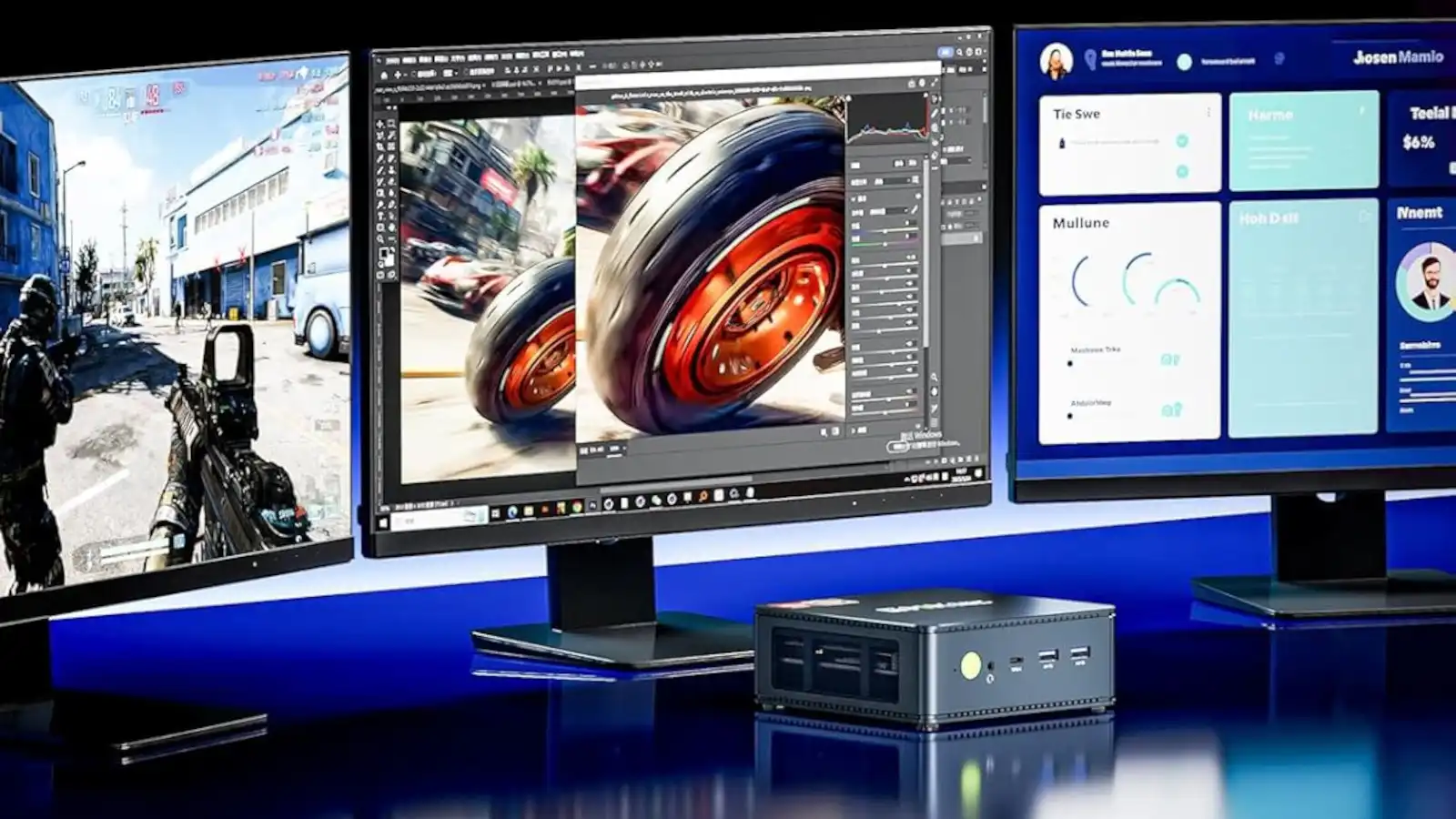
Performance benchmarks for the next wave of GPUs have begun to surface, revealing a shift towards more efficient yet powerful graphics solutions. Unlike previous generations that prioritized raw performance at the cost of power consumption, these new models aim to strike a balance between thermal output and computational efficiency.
The RX 9070 XT stands out with its Zen-based architecture, delivering up to 176 watts of thermal design power (TPD) while maintaining a compact footprint. This is a notable improvement over earlier designs that often struggled with heat dissipation at similar performance levels. The GPU leverages a 2 nm process for core components, paired with a 3 nm I/O die, allowing for higher clock speeds and better energy efficiency.
One of the key challenges in adopting such high-performance GPUs remains power delivery. While the RX 9070 XT can handle up to 200 watts under load, ensuring stable power delivery without overheating requires robust cooling solutions. This is particularly relevant for creators and developers who demand both performance and reliability in their workflows.
For users looking to integrate these GPUs into existing systems, compatibility with USB4 interfaces ensures smoother data transfer and connectivity. However, the full ecosystem around these new architectures—including software optimization and driver support—is still evolving, leaving some questions about long-term adoption.
The focus on efficiency does not come without tradeoffs. While the 2 nm process offers significant performance gains, it also introduces complexities in manufacturing that could affect yield and production costs. Additionally, the shift towards more specialized architectures may limit flexibility for certain workloads, though this is likely to be a minor concern for most professional users.
Despite these considerations, the RX 9070 XT represents a meaningful step forward in GPU technology. It combines advanced manufacturing with architectural innovations, setting a new benchmark for what can be achieved in terms of performance per watt. Whether this translates into widespread adoption remains to be seen, but the technical specifications suggest a strong foundation for future growth.