The game Phantom Blade Zero introduces a mechanics-first approach to side quests: completing them doesn't just earn rewards or unlock gear; it permanently changes the protagonist's skills, dialogue options, and even the direction of the main story. This is not a side grade or a parallel path—it’s an active rewrite of character progression based on player decisions made in secondary content.
Under the hood, Phantom Blade Zero tracks three core skill trees: combat, stealth, and support. Each tree branches into 12 specializations (e.g., sword mastery, archery precision, trap crafting). Side quests are not just fetch missions; they act as mini-arcs that push players along one or more of these paths. Completing a side quest can unlock permanent perks—such as increased critical hit chance or silent takedowns—but the catch is that these perks are locked once chosen, and swapping between skill trees later is impossible. This mirrors real-world tradeoffs: specializing early in one domain means forfeiting depth in others.
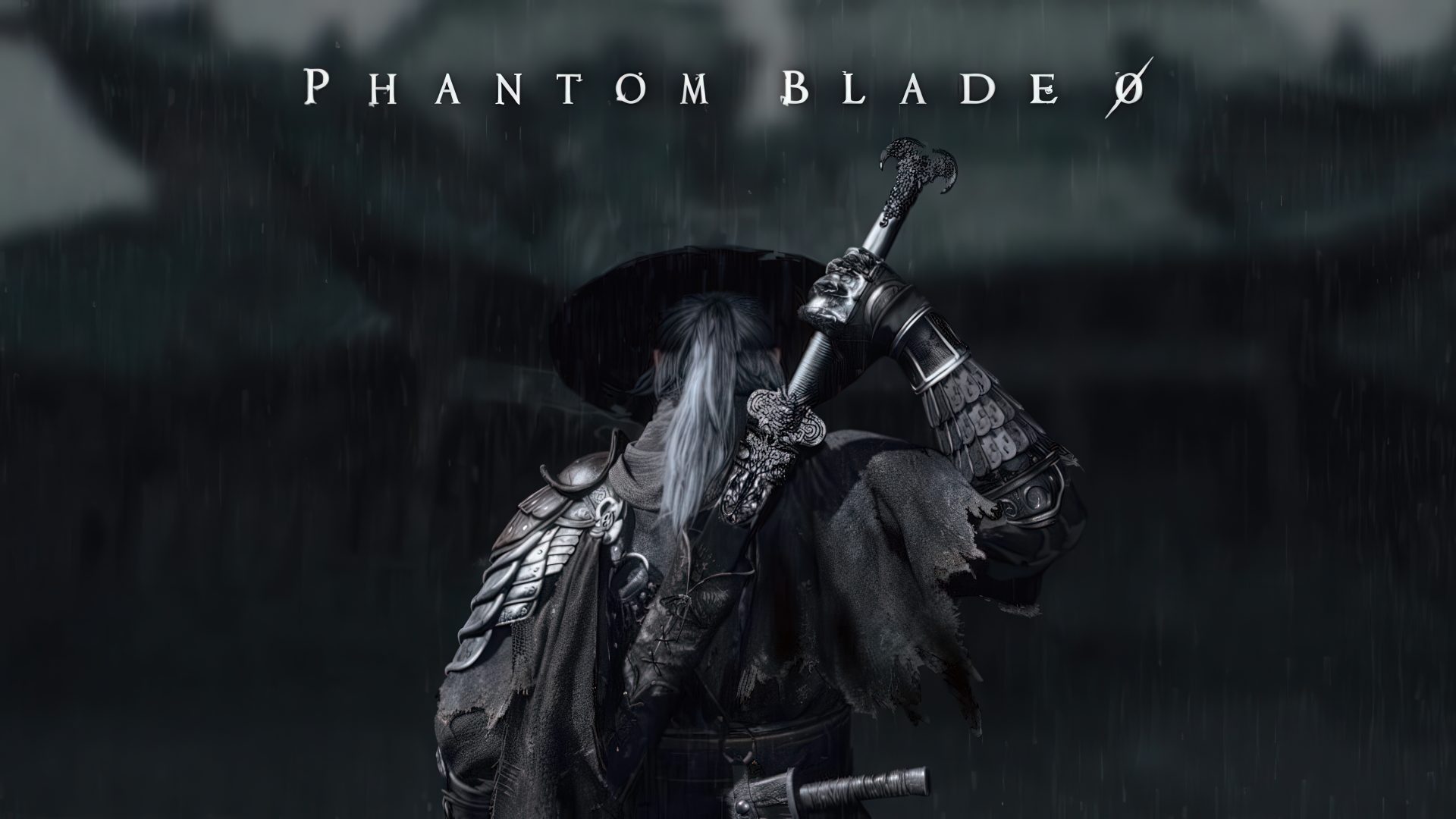
For small businesses considering long-term investment in narrative-driven software or game engines, Phantom Blade Zero’s model offers a blueprint. The engine behind the game supports branching dialogue and skill trees natively, meaning developers can replicate this structure without custom middleware. However, the tradeoff is strict: once a player commits to a side quest path, the main story adapts, but reverting requires restarting from an earlier save. This creates a constraint familiar to enterprise software—users must plan their progression carefully if they want to explore all branches.
The practical impact is clear: Phantom Blade Zero forces players to treat side content as strategic, not optional. Skipping quests means missing out on permanent upgrades and story twists that reshape the protagonist’s identity. This mirrors how businesses evaluate feature adoption—ignoring secondary tools can leave core systems underpowered or misaligned with long-term goals.
What remains unconfirmed is whether this model scales to multiplayer environments. Currently, Phantom Blade Zero is single-player only; adding shared progression would introduce synchronization challenges similar to those seen in MMORPGs. The game’s engine does not yet support real-time multiplayer, so the implications for collaborative or competitive play are still speculative.