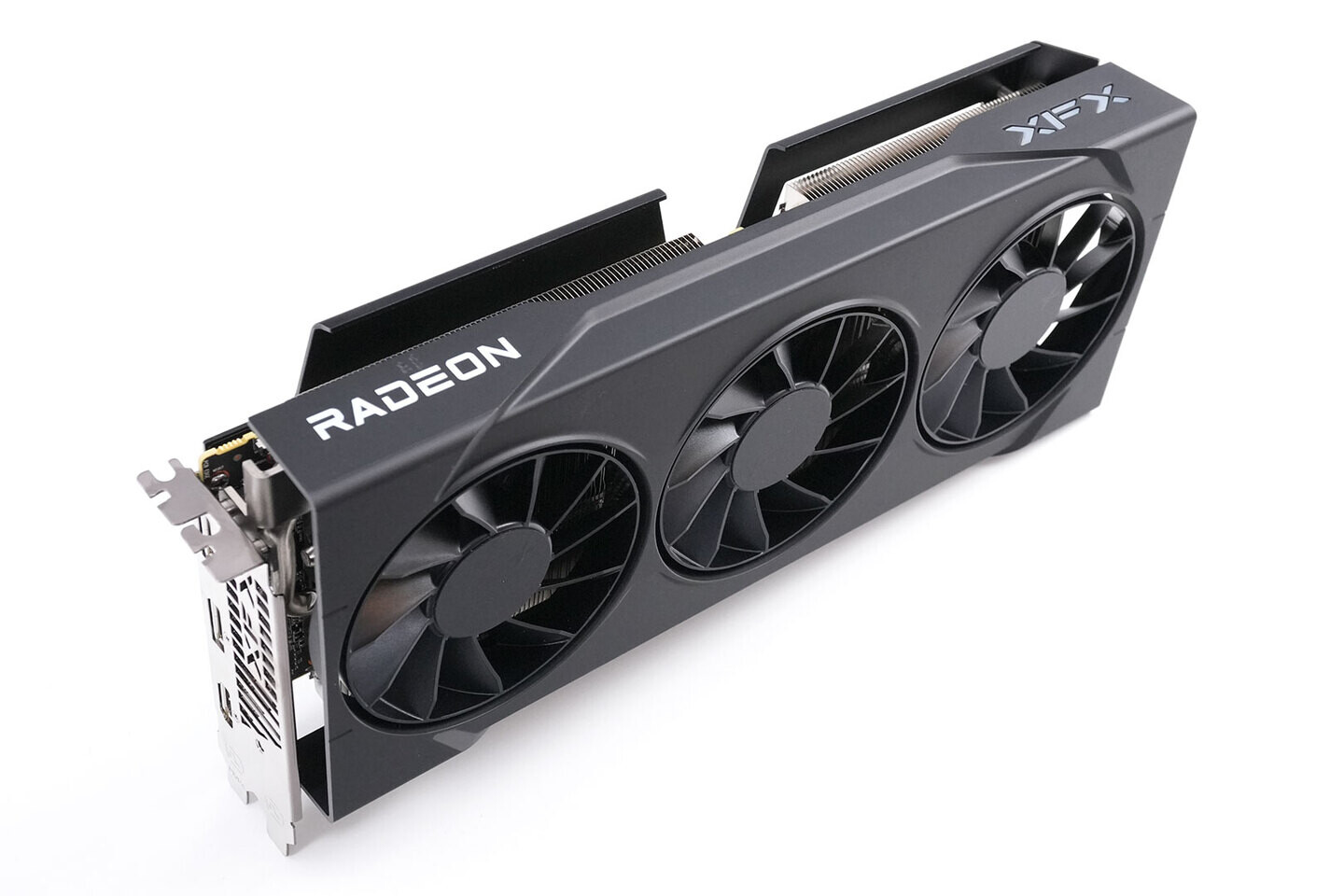
AMD’s graphics card partners are making a strategic pivot, prioritizing 8GB VRAM configurations over their 16GB counterparts as the company braces for another wave of GPU price hikes. The shift, driven by a persistent shortage of GDDR6 memory, is expected to reshape the midrange market, with distributors favoring models like the Radeon RX 9060 XT and the older RDNA 3-based RX 7650 GRE over higher-memory variants such as the RX 9070 XT.
This move comes after a January price adjustment of 5–10% by distributors, with another increase anticipated in February or March. The exact percentage remains unconfirmed, but industry sources suggest a 10% hike is under consideration. The decision to focus on 8GB GPUs stems from the escalating cost of GDDR6 memory, which has squeezed profit margins for add-in board manufacturers. As a result, partners are stockpiling inventory following January’s hike, which could lead to uneven availability in the coming months.
The shift may also narrow the price gap between AMD and NVIDIA in the midrange segment. With DRAM prices rising sharply, manufacturers are reassessing production priorities, and 8GB configurations are now the more cost-effective option. Early signs of this transition are already appearing in mainland China, where partners are reportedly allocating more volume to 8GB cards while reducing output of certain 16GB models. Western retailers, including major online sellers, have yet to signal how these changes will reflect in their pricing or stock levels.
Key specs and shifts
- Prioritized 8GB models: Radeon RX 9060 XT, RX 7650 GRE
- Reduced production: RX 9070 XT (16GB), other high-memory variants
- Memory constraint: GDDR6 shortages driving cost increases
- Price trend: 10% hike expected for February/March (following January’s 5–10% bump)
- Market impact: Narrowing gap with NVIDIA midrange GPUs (e.g., RTX 5070 Ti, RTX 5060 Ti)
- Regional lead: Changes first visible in China; Western markets to follow
The move underscores the broader challenges facing GPU manufacturers, where memory supply constraints and soaring component costs are forcing a reevaluation of product strategies. For consumers, this could mean higher prices and limited availability for high-memory GPUs, particularly in the midrange tier where 8GB configurations are now taking center stage.