Leslie Benzies, co-CEO of Build a Rocket Boy and former Rockstar North leader, has categorically denied any connection to Jeffrey Epstein, calling recent allegations 'false and misleading.' The denial comes as the studio’s co-CEO, Mark Gerhard, issued a legally charged cease-and-desist demand to YouTuber Cyber Boi—just minutes after a video surfaced referencing Benzies’ name in Epstein-related documents.
The email in question, leaked to Cyber Boi, alleges Benzies was accused of sexual assault by an unnamed individual. Benzies’ response dismisses the claims outright: 'I had a consensual relationship with this person over three months and have never met Jeffrey Epstein, nor visited his properties or traveled on his plane.' The statement underscores a broader pattern of the studio’s defensive posture amid scrutiny.
Gerhard’s cease-and-desist, posted on the MindsEye Discord at ET on January 31, frames the issue as an internal betrayal. 'Certain BARB employees continue to leak confidential information,' Gerhard wrote, labeling the leaks as 'espionage, sabotage, or interference.' The demand threatens 'escalated legal action' if Cyber Boi persists, though the video—since removed—had not yet been publicly analyzed. Cyber Boi later confirmed the takedown, citing legal threats: 'Can’t be arsed with the drama of it all.'
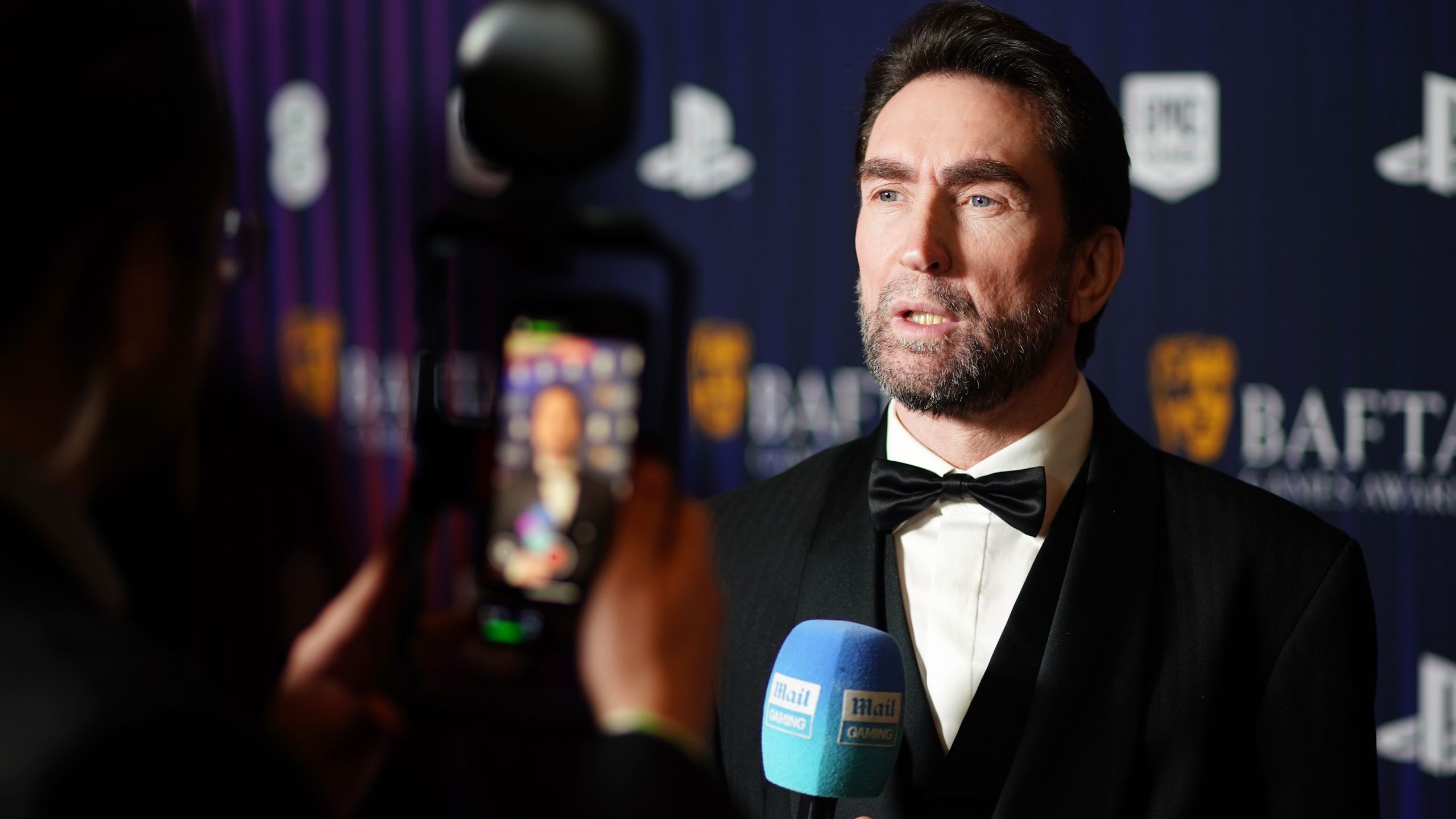
The timing raises eyebrows. Gerhard’s message, while broad in its accusations, does not explicitly reference Epstein. Yet the coincidence of the cease-and-desist following the video’s release suggests a deliberate response to the allegations. The studio’s history of legal maneuvering complicates the narrative. In May 2025, Gerhard accused unnamed parties of a 'concerted effort to trash the game and the studio,' implying financial backing—though Rockstar was never named. Benzies later downplayed the claims, calling them 'unfounded.'
Public records confirm Benzies’ name appears in Epstein-related documents, accessible via a Department of Justice search. However, no evidence supports Gerhard’s assertion of criminal conduct against Cyber Boi. The studio’s aggressive stance contrasts with its earlier transparency struggles. Internal documents, leaked in 2024, revealed a culture of secrecy, with Gerhard admitting to 'sabotage' concerns—though without concrete proof.
The broader question lingers: If the studio is so vigilant against leaks, why did internal discussions about 'sabotage' and 'financial interference' surface in the first place? Gerhard’s latest move underscores a pattern—legal threats to silence criticism, even as past claims of external interference remain unproven. For now, Cyber Boi’s video is gone, but the underlying issues persist.