AMD CEO Lisa Su is poised to travel to South Korea next week, marking her first visit since assuming office over a decade ago. This trip is not just symbolic; it reflects a proactive strategy by AMD to secure vital supply chain partnerships at a time when demand for AI infrastructure is surging.
The focus of Su's visit will be on critical areas such as memory and semiconductors, with key meetings scheduled with Samsung Electronics Chairman Lee Jae-yong and Naver CEO Choi Soo-yeon. These discussions are expected to center around cooperation in data centers and other emerging technologies, positioning AMD to leverage Korean supply chain strengths effectively.
AMD's push into the next generation of AI infrastructure is already evident with its Instinct MI400 series and advancements in server CPUs. However, the company faces significant challenges, particularly in securing HBM3E memory supplies from Samsung, a key partner that also serves NVIDIA. The competition for supply capacity is intense, with NVIDIA's tight grip on the market making it harder for AMD to secure the resources it needs.
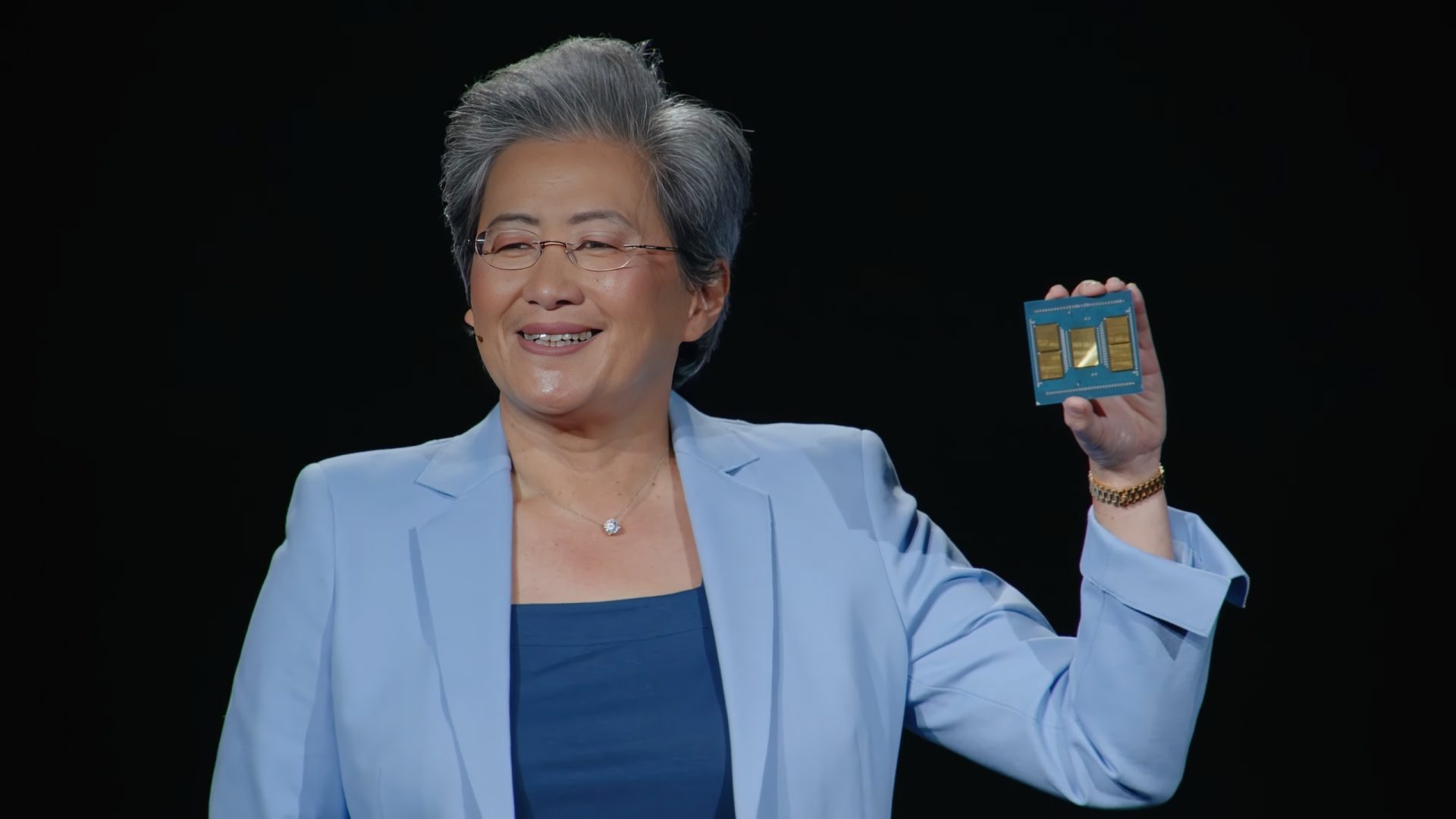
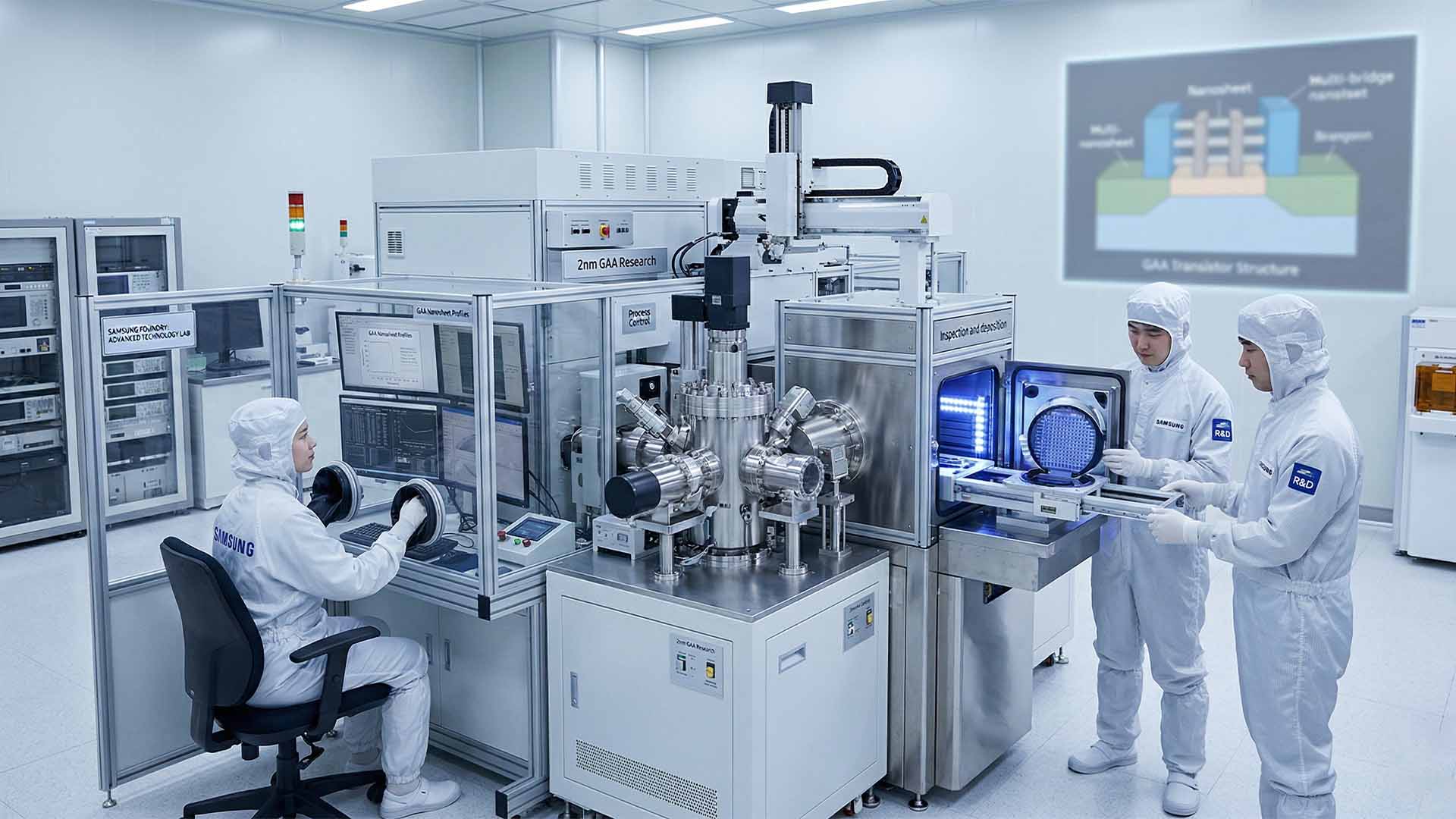
Adding to the complexity, AMD and Samsung are reportedly deepening their partnership in the foundry space, discussing cooperation on 2nm chips for EPYC Venice CPUs. This collaboration underscores the increasing importance of Korean supply chain partners in AMD's operations, which is why Su's visit is seen as a pivotal moment.
While AMD is determined to compete aggressively with NVIDIA in the AI market, the challenges are substantial. The company must navigate a landscape where NVIDIA thrives on constraints, making it crucial for AMD to secure robust supply chain partnerships to meet customer demand effectively. This strategic move by Su is aimed at positioning AMD as a formidable player in the AI infrastructure space, but the road ahead will be fraught with challenges.
The practical impact of this strategy will likely benefit AMD's enterprise and data center customers, who are increasingly looking for alternatives to NVIDIA's offerings. However, the success of these efforts will depend on how effectively AMD can navigate the complexities of supply chain dynamics in a competitive market.