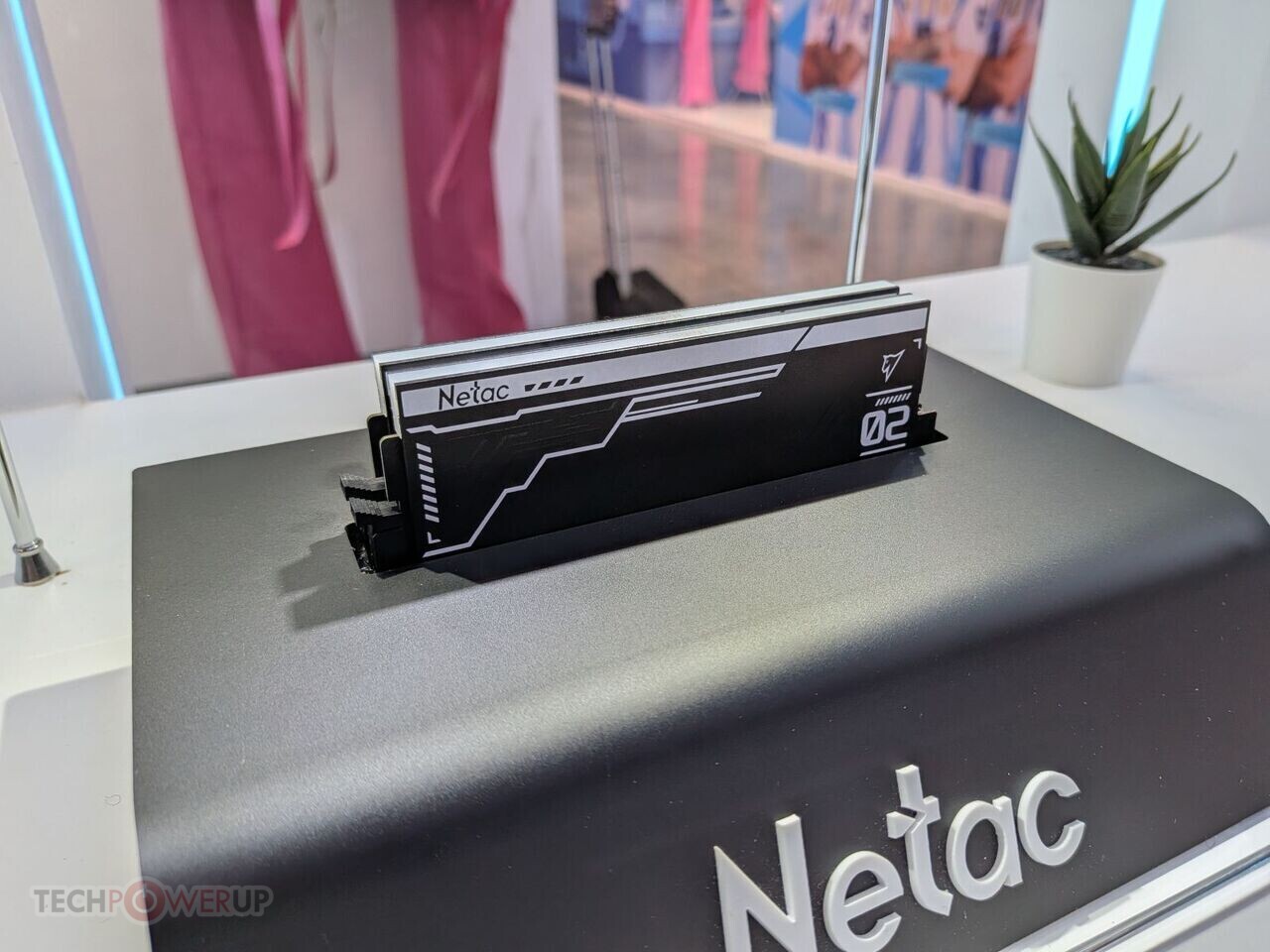
AMD's latest RDNA 4 lineup is facing significant headwinds due to spiraling DRAM prices, prompting the company to rethink its production and sales strategy. Sources indicate that AMD may focus more on the Radeon RX 9070 XT, a model already positioned at the higher end of the market, to absorb rising memory costs with less disruption than its non-XT counterpart.
This strategic shift could reshape the availability of RDNA 4 GPUs, particularly for the RX 9070, which has struggled to maintain stable pricing. The RX 9070 XT, on the other hand, has historically commanded a premium, making it a more resilient option in a market where DRAM costs are increasingly squeezing margins.
The situation reflects broader industry trends, where GPU manufacturers are tightening production of models with higher VRAM capacities to avoid price corrections. While AMD has pledged to minimize cost impacts for consumers, the reality on the ground suggests that financial pressures will likely influence product availability more than initial promises.
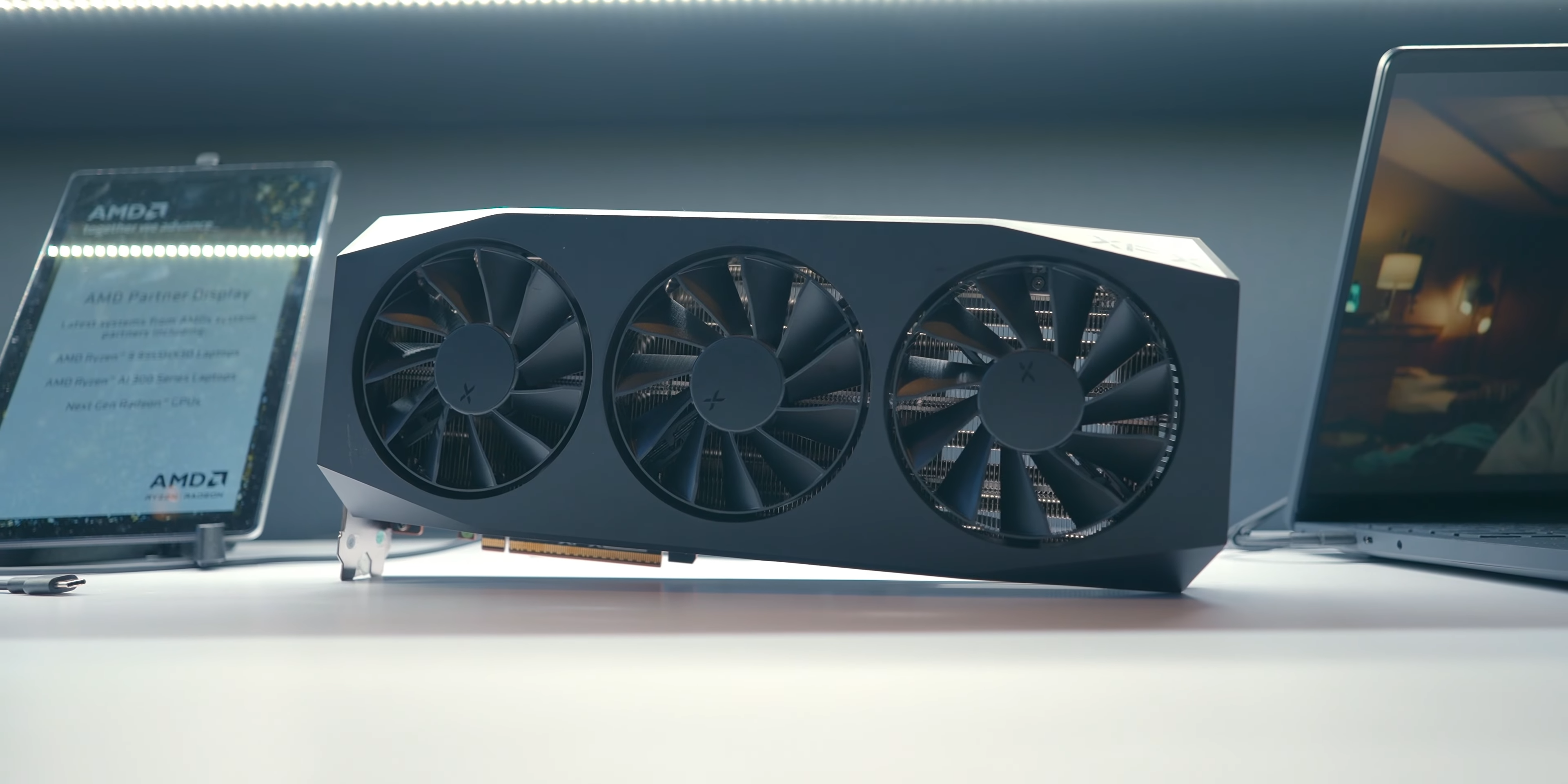
For now, the RX 9070 XT remains a key player in AMD's lineup, with its performance and VRAM configuration making it a strong contender against competitors. However, whether this strategy translates to better stability for gamers or further supply constraints remains an open question as the market navigates these challenges.
- GPU Models:
- Radeon RX 9070 XT
- Radeon RX 9060 XT (16 GB VRAM)
- Radeon RX 9070
- Memory: GDDR6 (16 GB for select models)
The focus on the RX 9070 XT could mean reduced production of the non-XT variant, which has already faced pricing instability. The XT model's higher performance and premium positioning may help AMD manage DRAM cost fluctuations more effectively, though this could come at the expense of broader product availability.
This shift is not unique to AMD; NVIDIA has also adjusted its strategy to prioritize GPUs with better profit margins in response to similar market pressures. The outcome for consumers will depend on how these adjustments play out over the coming months, especially as DRAM prices continue to fluctuate.