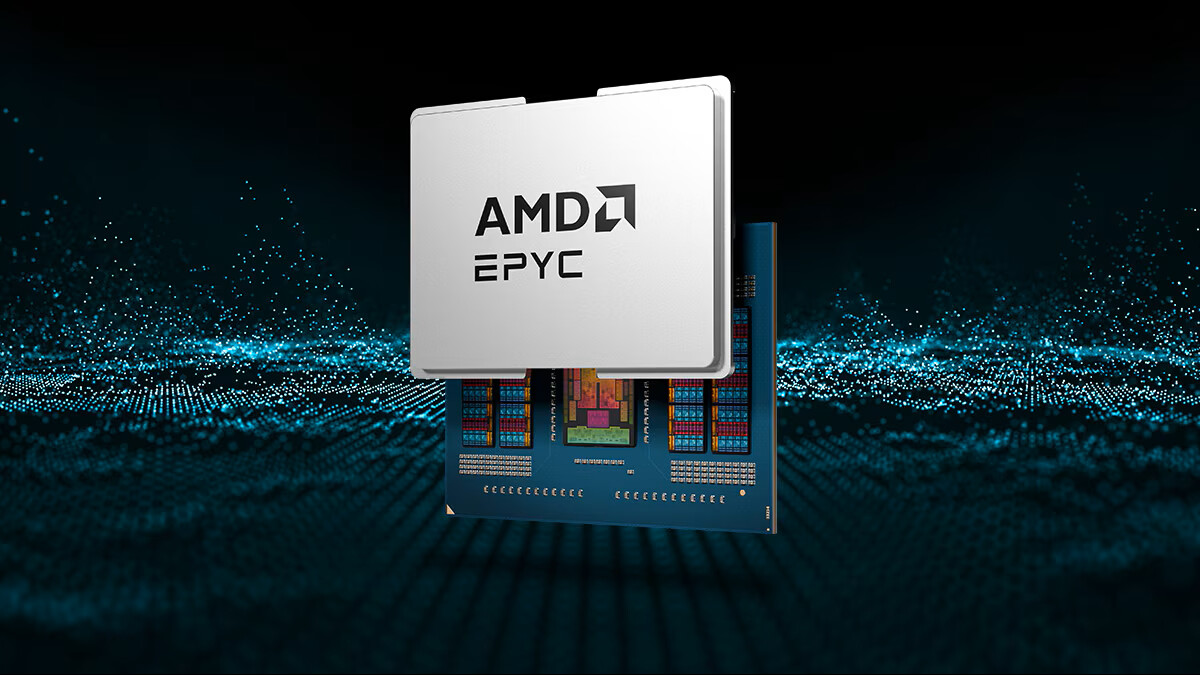
AMD’s Ryzen 9 9950X3D2 Dual Edition is here, and with it comes a jump that could redefine what’s possible in desktop computing.
The chip isn’t just another incremental upgrade; it’s the first to stack two layers of 3D V-Cache on a single die, delivering 16 cores and a staggering 208 MB of cache. That cache is where the magic happens for AI workloads, rendering, and multi-threaded tasks—where latency matters more than raw clock speed.
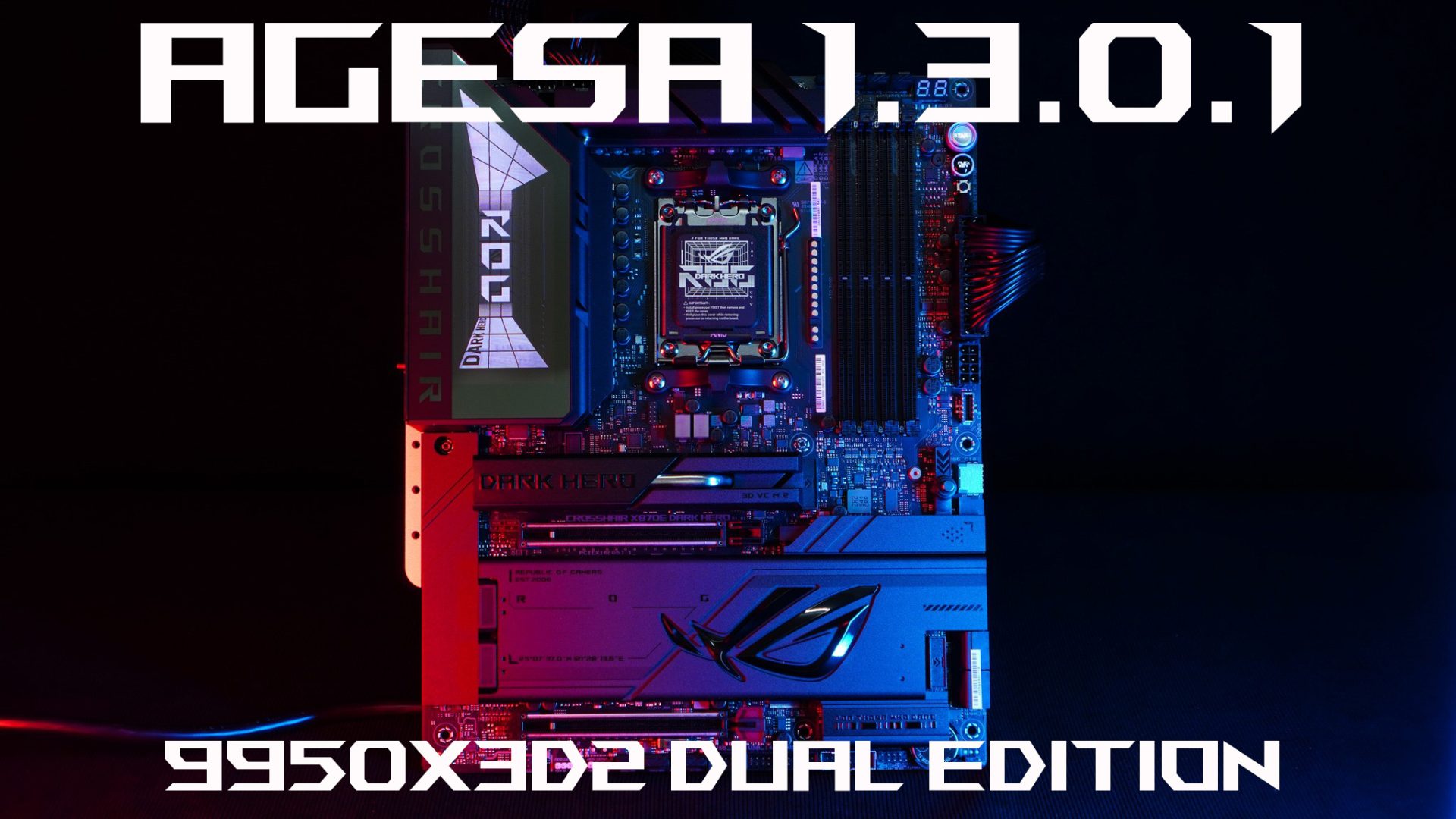
But before users can tap that performance, motherboard makers are scrambling to catch up. ASUS has already released a beta BIOS update, AGESA 1.3.0.1, tailored specifically for the 9950X3D2. The update isn’t just about compatibility; it’s about unlocking the full potential of Zen 5’s new features, including tweaks to memory tuning that could shave milliseconds off critical operations.
What changed under the hood
The Ryzen 9 9950X3D2 isn’t just a faster version of its predecessor. It introduces dual 3D V-Cache stacks, which means more cache is closer to the cores than ever before. That’s a game-changer for workloads that thrash through large datasets—like AI training, video editing, or scientific simulations.
For motherboard manufacturers, this means revisiting how they handle memory bandwidth, power delivery, and thermal management. The 200W TDP of the chip is already pushing the limits, but with Zen 5’s efficiency gains, the real challenge is ensuring that the platform can scale without bottlenecks.
Key specs
- Cores: 16 (8P+8E)
- Cache: 208 MB (dual 3D V-Cache stacks)
- TDP: 200W
- Clock speed: Up to 5.6 GHz
That 208 MB cache is the standout here. Previous Zen 4 chips topped out at half that, and the jump isn’t just about raw capacity—it’s about how close that cache sits to the cores. For AI workloads, this translates to faster data retrieval, which can mean the difference between a render finishing in minutes or hours.
The motherboard arms race
ASUS is leading the charge with its X870 chipset, but others are close behind. The key here isn’t just about supporting the new CPU; it’s about optimizing how memory behaves at high frequencies and low latencies. The AGESA 1.3.0.1 update includes adjustments to Crosshair Tweak, a feature that fine-tunes memory rules for maximum performance.
For users, this means timing is critical. Upgrading too early could mean missing out on stability tweaks, while waiting too long risks being left behind as new features roll out. The beta BIOS signals that the platform is still in flux, but the direction is clear: Zen 5 demands more from motherboards than ever before.
The real question isn’t just whether your current board will work—it’s whether it can keep up with what comes next. With 16 cores and 208 MB of cache, AMD has set a new benchmark, and the rest of the industry is scrambling to match it.