Memory and storage are often overlooked when discussing gaming performance, but they form the invisible backbone of every frame rendered on screen. For small studios building ambitious titles, efficient use of these resources can mean the difference between a breakthrough hit and a project that stalls under its own weight.
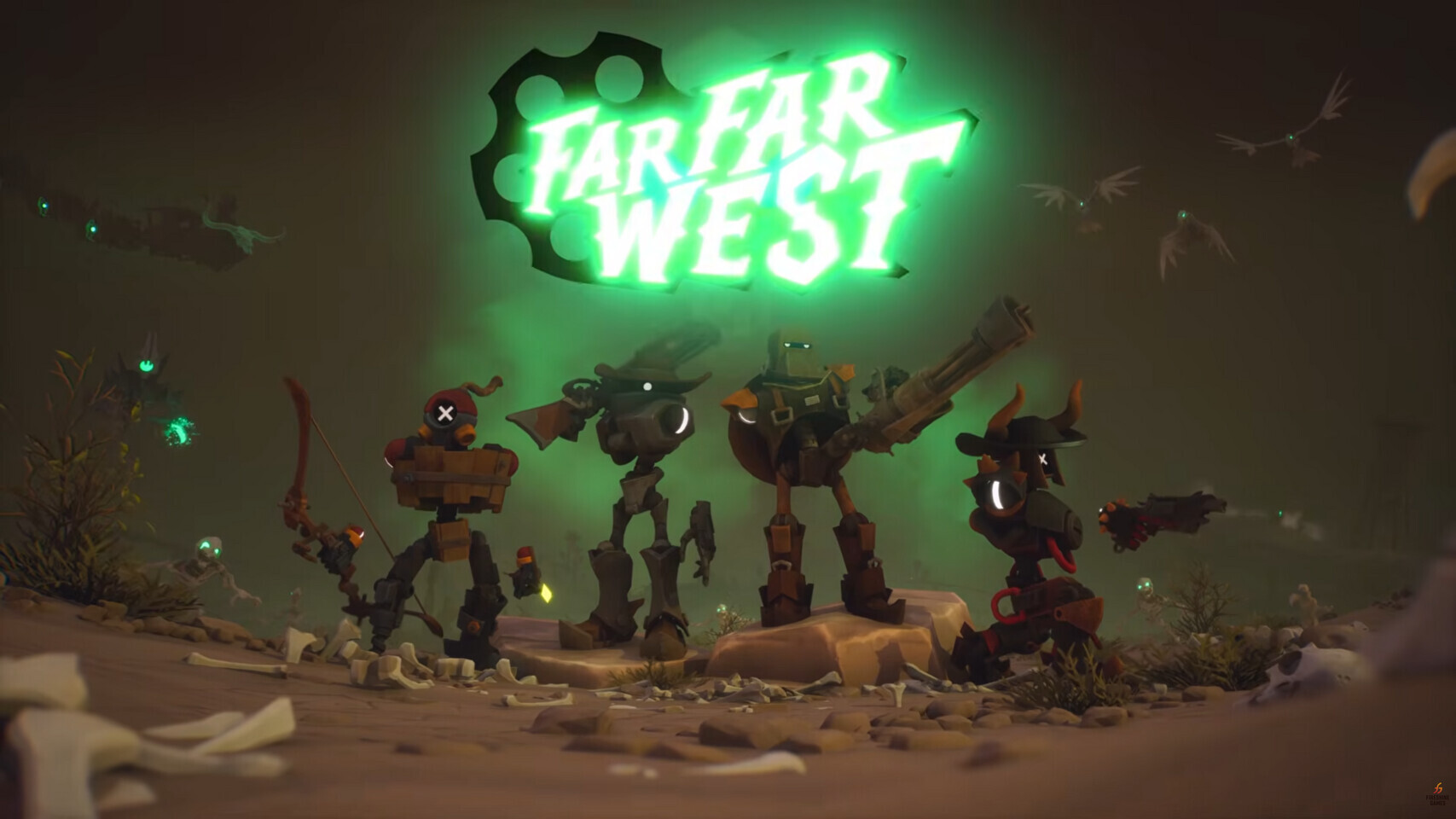
Fireshine Games, the publisher behind 'Far Far West,' has taken an unusual step in this conversation by rejecting generative AI as a tool for core game development. The decision is not about cutting-edge features or hardware specs—it’s about preserving something far more fragile: the creative intent of a project and its connection to players.
Key Specs
- Memory Efficiency: The game demonstrates how careful optimization can deliver 4K performance without excessive RAM demands, even on mid-range hardware.
- Storage Design: Modular asset loading reduces footprint while maintaining high-resolution textures and dynamic environments.
The technical approach behind 'Far Far West' is a study in tradeoffs. While the game pushes visual fidelity, its developers prioritized memory management over raw power, ensuring smooth performance on systems that might otherwise struggle with dense 4K scenes. This isn’t just about meeting benchmarks—it’s about creating an experience that feels responsive and immersive without taxing hardware or player patience.
Why It Matters
For small businesses in game development, the choice between efficiency and cutting-edge features is a constant tension. Fireshine’s stance on generative AI adds another layer: it suggests that some creative processes, particularly those tied to narrative or world-building, may not benefit from AI-generated content. The concern isn’t just about quality—it’s about whether players will engage with games built this way.
Industry surveys support this view. A 2026 poll found that 64% of game workers believe generative AI is harming creativity in the field, raising questions about long-term sustainability. Fireshine’s refusal to work with studios using such tools—while allowing AI for non-core tasks like code completion—reflects a cautious skepticism about where the technology can and should be applied.
Where It Fits
'Far Far West' is a case study in how indie teams can compete on technical merit without relying on the latest (and most expensive) hardware. Its success hinges on smart memory allocation, dynamic loading, and a focus on player experience over raw specifications. For small studios, this approach offers a roadmap: prioritize efficiency, avoid unnecessary complexity, and stay attuned to what players actually want.
The bigger question remains whether the industry can sustain this balance as hardware becomes more powerful. If generative AI proves useful for certain aspects of development—without undermining creative integrity—the debate will only intensify. For now, Fireshine’s stance serves as a reminder that some things, like storytelling and player trust, cannot be outsourced to an algorithm.