A creator working on motion-heavy tasks now sees content pop with a smooth 240Hz refresh rate—but only when the display is set to 1080p. Switching to 4K mode, however, drops the frame rate back down to just 80Hz, highlighting a key compatibility risk for high-end workflows.
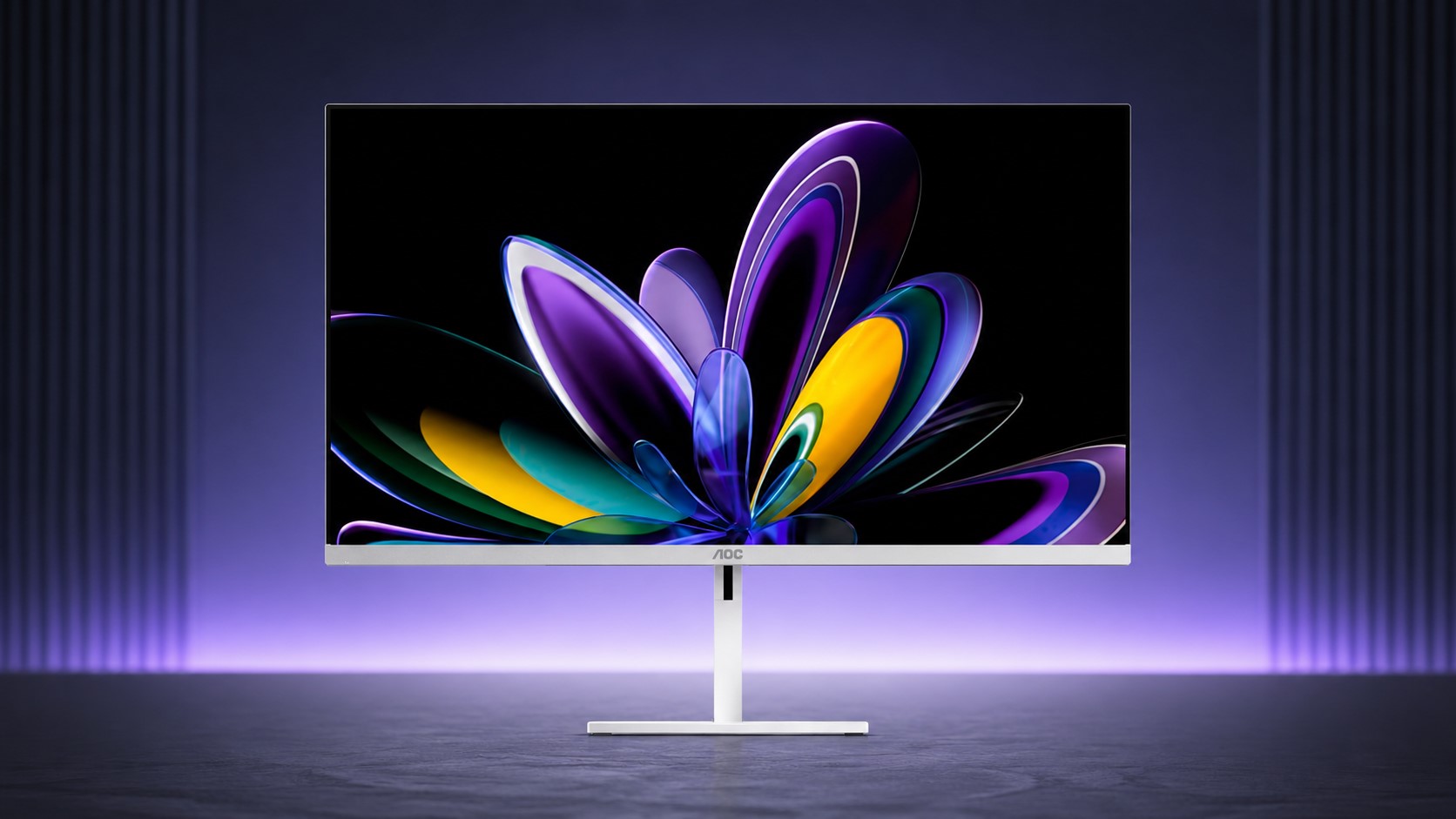
The AOC V6 monitor introduces a fourfold jump in refresh rate for standard HD content, delivering what the company calls 'ultra-smooth visuals' without sacrificing color accuracy. That’s the upside—here’s the catch: when resolution climbs to 4K, the display reverts to a more modest 80Hz, a choice that could leave power users wondering whether the extra pixels are worth the slower motion.
This isn’t just about raw numbers; it’s about how the monitor fits into today’s creative ecosystem. Many modern applications—from video editing suites to real-time rendering tools—rely on high-refresh displays to reduce eye strain and improve workflow efficiency. AOC’s decision to prioritize speed at lower resolutions reflects a broader industry tension: balancing performance with resolution, while keeping costs in check.
Key Specifications
- Model: V6
- Panel Type: IPS (In-Plane Switching)
- Resolution Modes:
- 1080p: 240Hz (max)
- 4K UHD: 80Hz (max)
- Connectivity: HDMI 2.1, DisplayPort 1.4
- Color Support: 95% DCI-P3, 120% sRGB
- Brightness: 300 nits (typical)
The monitor’s IPS panel ensures vibrant colors and wide viewing angles, but the refresh-rate disparity is a notable trade-off. HDMI 2.1 and DisplayPort 1.4 support future-proof bandwidth, yet the 80Hz cap at 4K suggests that users chasing cinematic clarity may need to compromise on motion smoothness.
Industry Implications
This kind of split performance is becoming more common as manufacturers navigate the shift toward higher resolutions. Consumers now face a decision: do they prioritize resolution for sharper details, or refresh rate for snappier interactivity? For creators who rely on both, the choice isn’t always clear-cut.
Moving forward, the industry may need to rethink how refresh rates scale with resolution—or risk leaving users stuck between two extremes. That single shift—balancing pixels and performance—could redefine what buyers expect from next-generation displays.