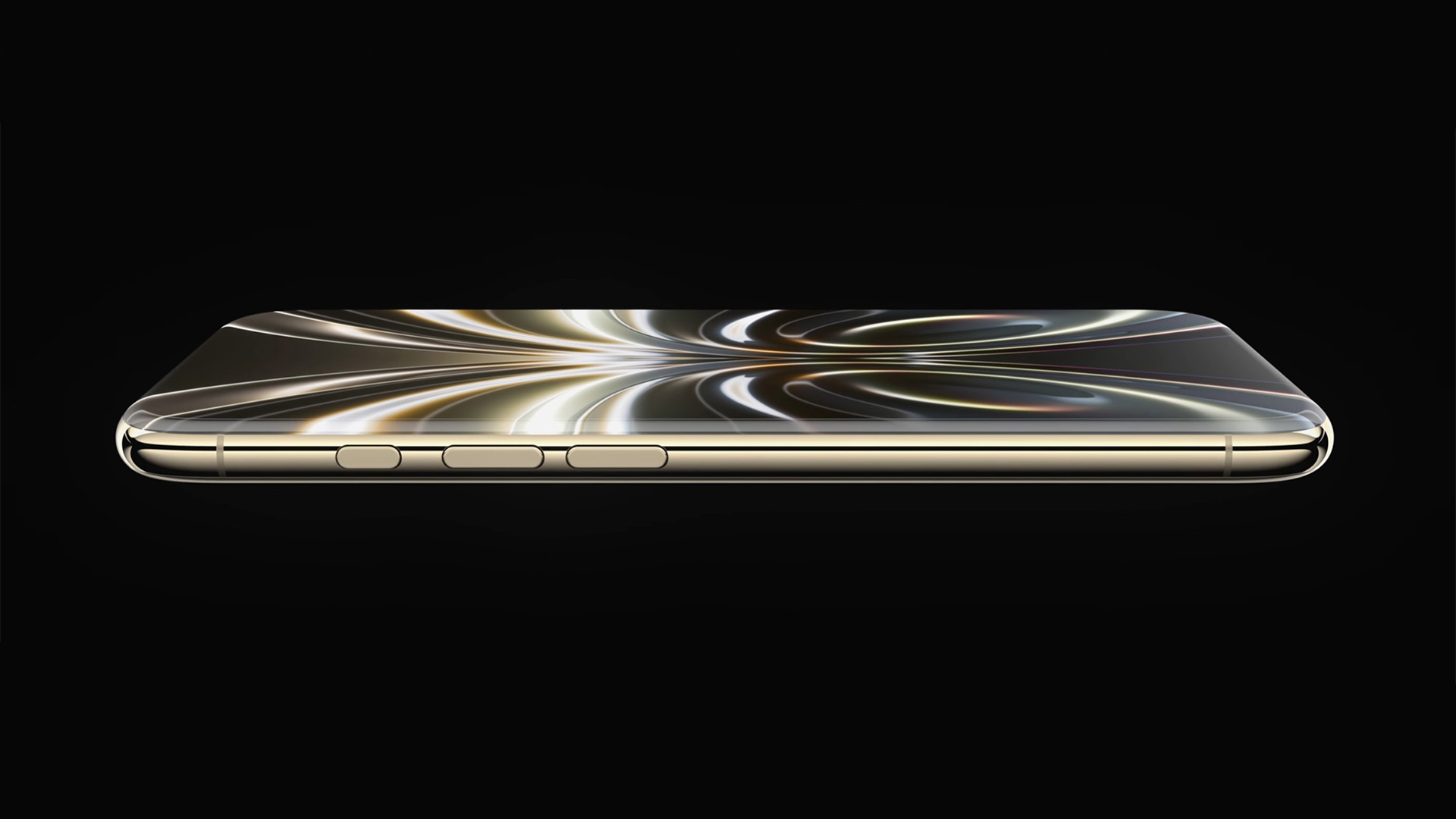
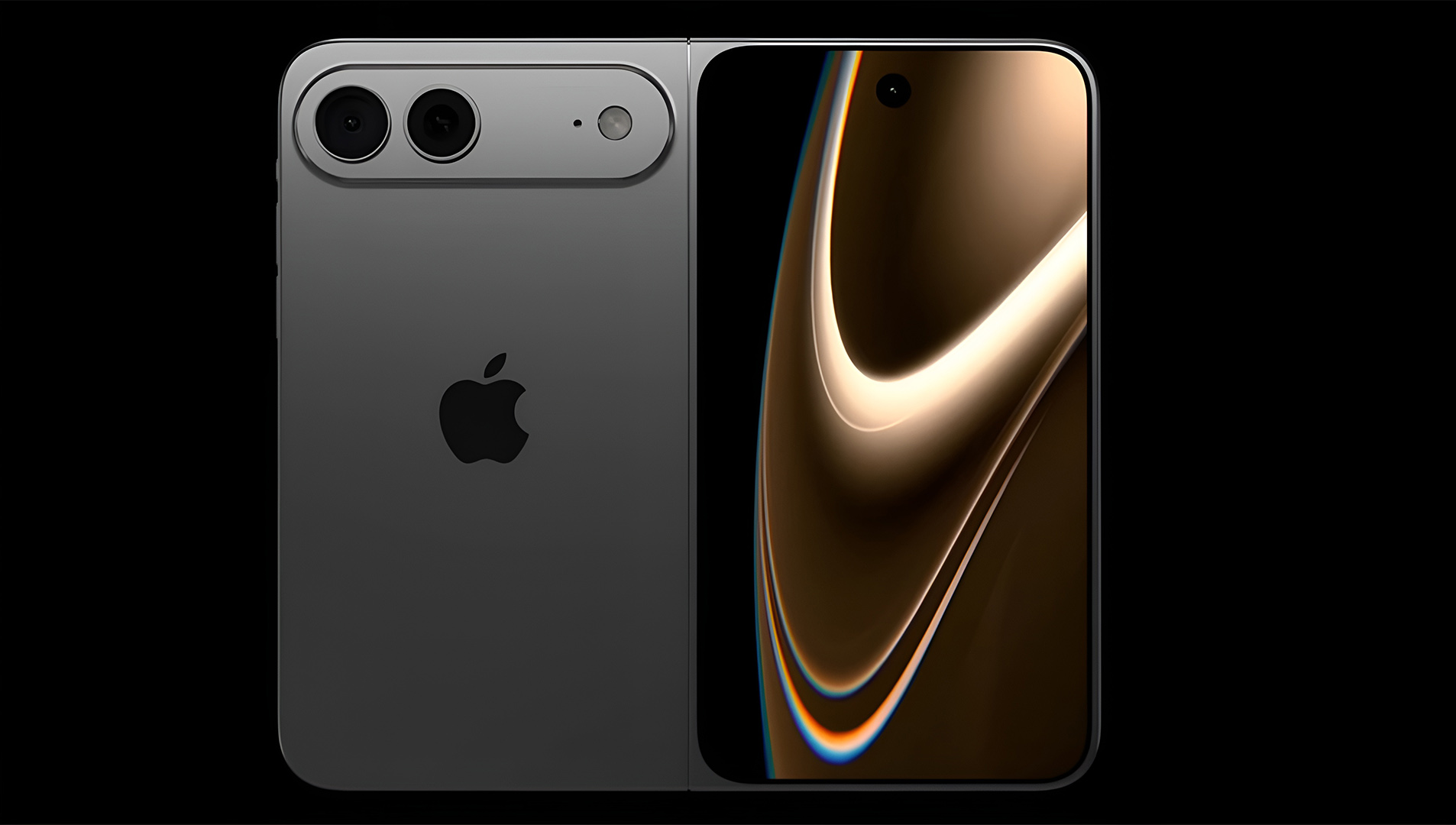
Apple is set to introduce a foldable iPhone this September, alongside the standard iPhone 18 Pro models. While the launch timeline appears secure, details around pricing, supply constraints, and design choices continue to evolve.
The device is expected to carry a base price of approximately $2,000—a notable adjustment from earlier speculation of $2,300 or higher. This suggests Apple may be aiming for affordability while still catering to a high-end market segment. However, initial supply could be limited due to engineering challenges, particularly with the display and hinge materials.
Specs in Focus
- Chip: A20 Pro with 12GB RAM
- Display: Dual-layer UTG/UFG glass to minimize creasing (depth: 0.15mm)
- Camera: 48MP dual rear cameras, 24MP front camera; under-display selfie camera still uncertain
- Battery: 5,400-5,800mAh with a dedicated vapor chamber
- Connectivity: eSIM-only variant, in-house C2 5G modem
The foldable iPhone is likely to feature an internal display similar in size and aspect ratio to an iPad, while the outer screen will resemble a standard iPhone. Multitasking will draw from iPadOS but with a more streamlined interface, avoiding the desktop-like layout seen in newer tablets.
Unresolved Challenges
The under-display selfie camera remains a significant uncertainty. Reports indicate Apple is facing difficulties in achieving production-ready quality, which could delay its inclusion or necessitate a redesign. Additionally, while the hinge mechanism may incorporate liquid metal or 3D-printed titanium, the final choice is not yet confirmed.
For enterprise users, the foldable iPhone’s appeal will depend on its durability and productivity features. The side-mounted Touch ID, replacing Face ID, could enhance authentication in professional settings, but the absence of an under-display camera may limit its utility for video calls or augmented reality applications.
The $2,000 price point, if accurate, would position the device as a high-end option with notable tradeoffs. Enthusiasts may find that the technical risks—such as display longevity and camera quality—outweigh the novelty of a foldable form factor. For now, Apple’s roadmap appears tight: limited supply at launch, followed by potential adjustments based on feedback.
The most critical change is that Apple is proceeding with its foldable strategy despite engineering challenges, setting the stage for a device that balances innovation with practical constraints.