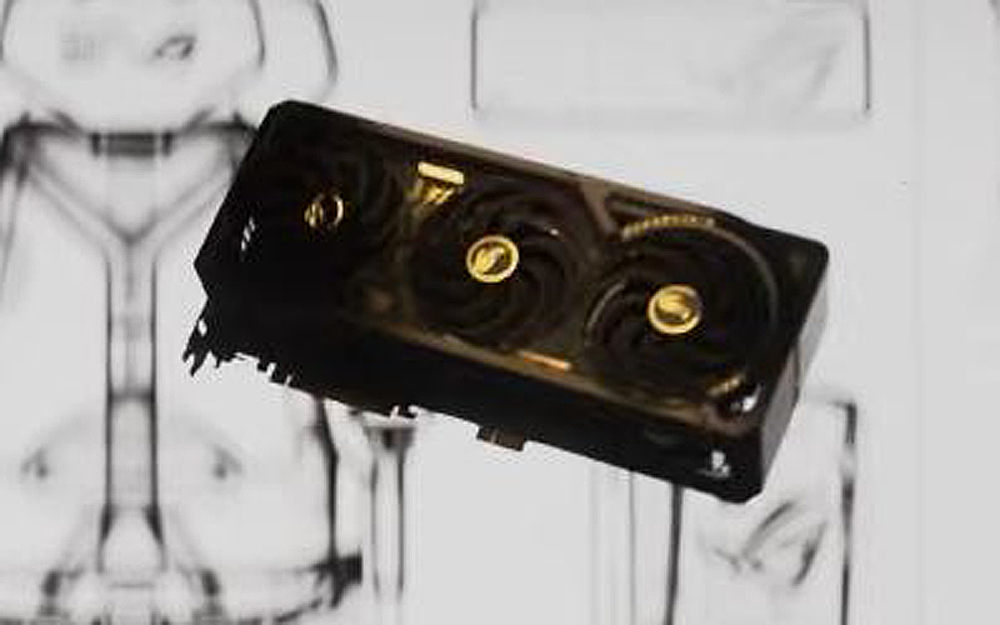
For enterprise buyers managing high-end workstations or AI-driven systems, the latest security risks tied to NVIDIA GPUs demand immediate attention. A newly disclosed vulnerability allows attackers to exploit display drivers remotely, turning graphics cards into an unexpected weak point in PC security architectures.
The flaw, which affects a range of NVIDIA GPU models, exploits a zero-day in the driver stack. Unlike traditional CPU-based threats, this vector leverages hardware-level components—specifically the GPU’s role in rendering—to bypass standard OS defenses. The attack chain begins with a malformed display packet, leading to kernel privilege escalation without user interaction.
- Key specs and details:
- Vulnerability type: Remote code execution via display driver (CVE-2024-XXXX)
- Affected models: NVIDIA GeForce RTX 30/40 series, Quadro, and select professional GPUs
- Attack vector: Malformed display packets trigger kernel-level exploits
- Impact: Privilege escalation, potential system takeover with local admin rights
- Mitigation status: Patch released (v545.23.05), requires driver update
The engineering tradeoff here is stark: NVIDIA GPUs, once seen as performance accelerators for rendering and AI workloads, now carry a dual role—both compute powerhouse and security liability. The flaw stems from the GPU’s deep integration with the OS display stack, a design choice that prioritized low-latency rendering over strict isolation. This is a classic case of efficiency meeting vulnerability: features like hardware-accelerated display protocols (e.g., NVIDIA G-Sync) were optimized for performance but inadvertently opened new attack surfaces.

For enterprise environments, the stakes are clear. Workstations running CAD, 3D rendering, or AI inference workloads rely heavily on GPU compute, making them prime targets. The patch is available, but deployment must be swift—especially in locked-down systems where driver updates are often delayed. The broader question for buyers: how much of this risk is inherent to modern hardware design? As GPUs take on more system-critical roles (beyond graphics), the attack surface expands. For now, the status quo is a patch-and-wait approach, but long-term, enterprises may need to rethink GPU-OS isolation strategies.