Apple’s entry-level smartphone lineup could be about to turn over. Reports from within the company indicate that the iPhone 16e’s inventory has all but vanished, a clear sign that the tech giant is gearing up for the next iteration. The iPhone 17e, expected to debut in the coming weeks, appears to be a product of cautious optimization rather than a bold reinvention.
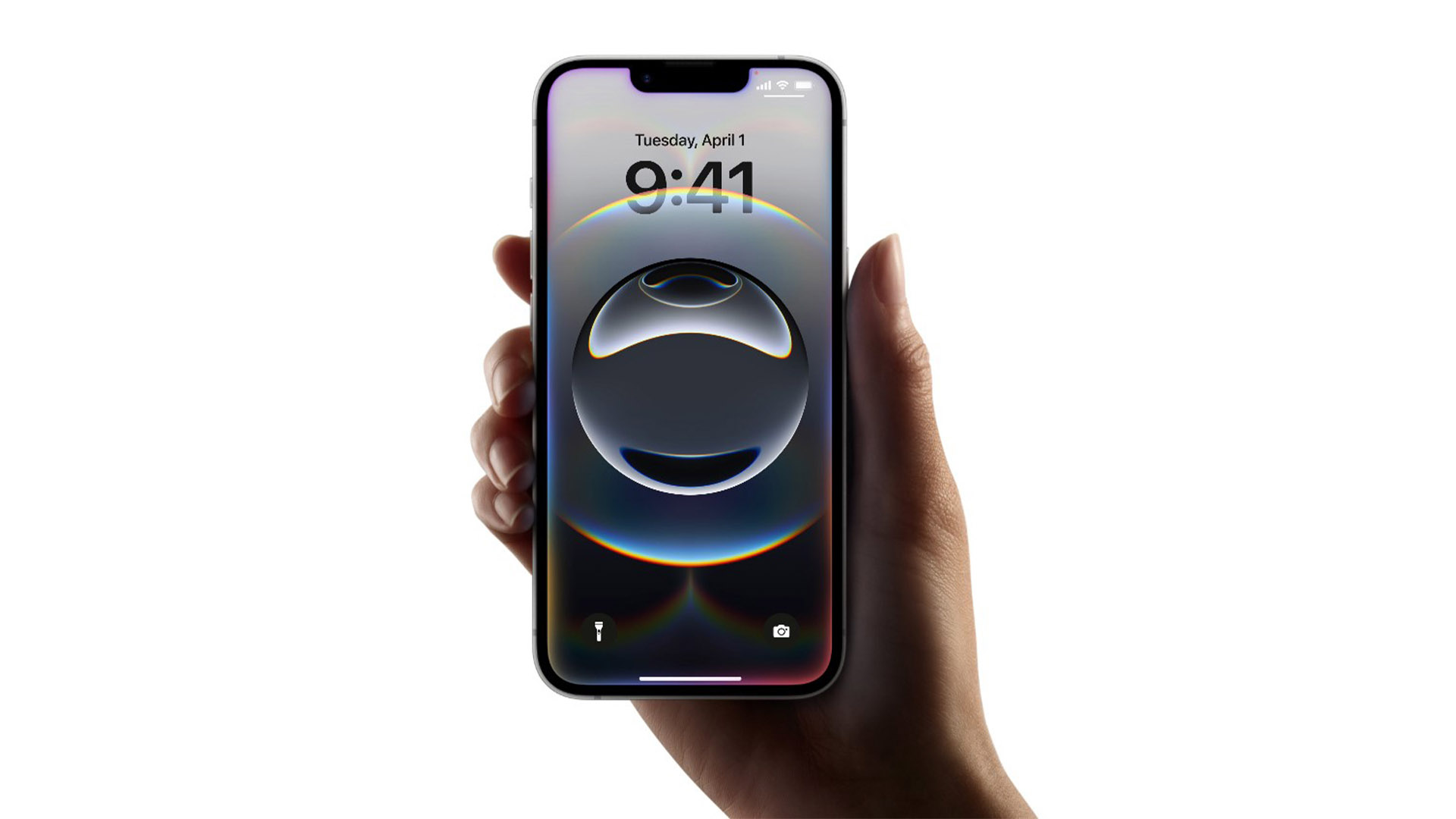
Unlike its higher-end siblings, the iPhone 17e is unlikely to feature dramatic design overhauls. Instead, Apple’s focus seems to be on incremental upgrades that align with its broader strategy of controlled hardware refreshes. The most notable change is the adoption of a Dynamic Island cutout—a design feature previously reserved for the iPhone 15 Pro and later models. This shift suggests Apple is gradually standardizing its interface elements across its lineup, even in budget-friendly devices.
The Chip That Powers It
The iPhone 17e is expected to move up to Apple’s A19 chipset, a step forward from the A18 used in the iPhone 16e. While the A19 is not the most powerful processor in Apple’s current lineup, it represents a meaningful improvement in performance and efficiency for an entry-level device. However, the 5G modem remains unchanged, retaining the C1 chip, which means no advancements in cellular connectivity over the previous model.
This approach reflects Apple’s broader trend of prioritizing internal upgrades over external ones, a move that simplifies manufacturing logistics and reduces costs. The company’s ability to reuse components like the C1 modem while upgrading processors aligns with its strategy of offering incremental improvements without disrupting supply chains.
A Glimpse at Production and Availability
Production details for the iPhone 17e have already begun to take shape. BOE, Apple’s sole supplier for the OLED displays in this model, has reportedly shipped 8 million units to Apple as of early 2026. While this volume is modest compared to flagship models, it signals the start of mass production efforts, likely following CES 2026. The timing suggests Apple is preparing for a gradual rollout, with shipments ramping up in the first half of the year.
The iPhone 17e’s production strategy mirrors that of the iPad Air M4, which is also seeing shortages of its predecessor, the M3 model. Both products are positioned as cost-effective upgrades, with Apple focusing on internal improvements rather than design revolutions. This approach not only streamlines manufacturing but also allows the company to manage inventory more efficiently, ensuring a steady supply without overstocking.
Who Stands to Benefit?
The iPhone 17e is primarily aimed at budget-conscious consumers who require a reliable, functional smartphone without the premium price tag of a Pro model. The Dynamic Island cutout and A19 chipset provide a modern feel, while the retained C1 modem ensures compatibility with existing networks. For users upgrading from an iPhone 15 or earlier, the 17e offers a compelling balance of performance and affordability.
Apple’s strategy here is clear: deliver incremental improvements that justify an upgrade without overhauling the entire product line. This approach is particularly appealing in markets where consumers are price-sensitive but still expect a seamless integration with Apple’s ecosystem. The iPhone 17e, with its modest upgrades, fits neatly into this framework, offering just enough to attract new buyers while keeping costs in check.
With the iPhone 16e’s stock dwindling and the iPhone 17e poised to take its place, Apple appears to be executing a well-calculated refresh cycle. The focus on efficiency, both in hardware and supply chain management, underscores the company’s ability to adapt without disrupting its core product philosophy.