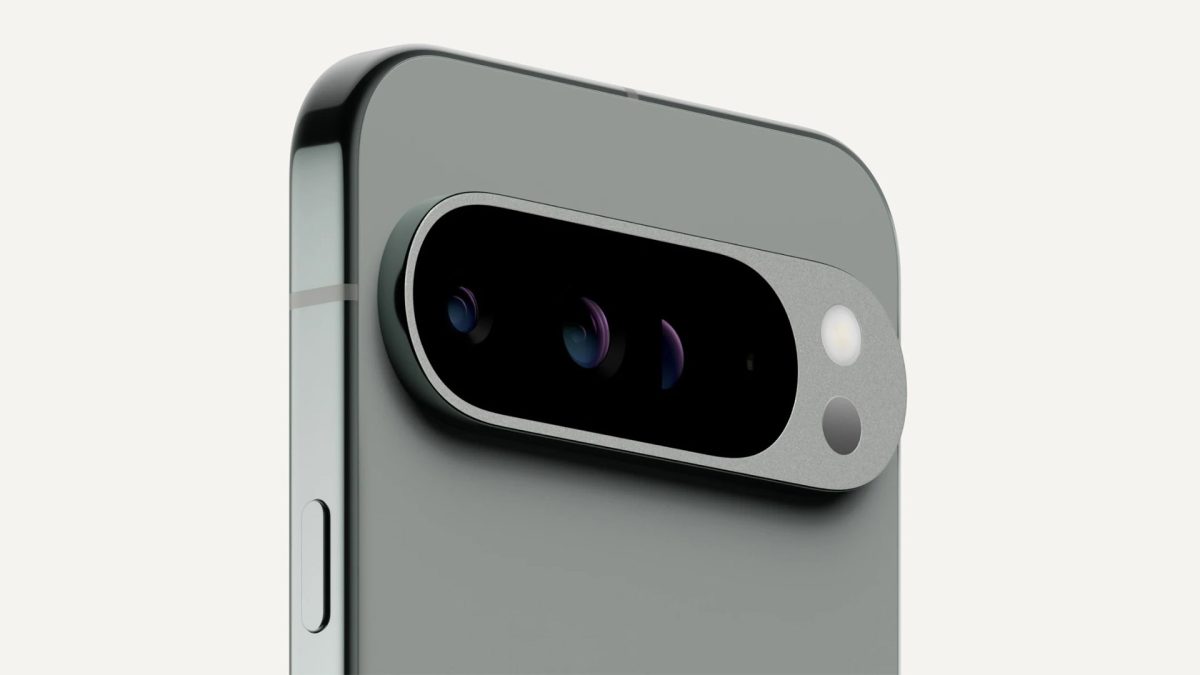
Apple’s next premium smartphones may eliminate the physical SIM card slot entirely. The iPhone 18 Pro and Pro Max are now expected to follow the same eSIM-only path as the upcoming iPhone Fold, freeing up space for a larger battery—though the shift could leave some users without a backup option.
The change aligns with Apple’s broader push toward ultra-thin designs, particularly for foldable and high-end devices. By removing the SIM tray, the company could squeeze in additional battery capacity, a move that would be especially useful for power-hungry models like the Pro Max.
But the decision isn’t without consequences. Users who rely on dual-SIM setups or frequently switch carriers may find themselves locked into eSIMs, which—while convenient—lack the physical flexibility of traditional SIM cards.
Apple is reportedly scrapping the dual-version strategy seen in previous years, where some markets received models with physical SIM slots. Instead, the iPhone 18 Pro and Pro Max would arrive as eSIM-only variants, with the Pro Max potentially gaining a larger battery—rumored to be in the 5,100mAh to 5,200mAh range—compared to the standard 5,000mAh+ seen in past models.
Under the hood, the devices are expected to feature Apple’s latest wireless chips, including the N2 networking chip and the C2 modem. The C2 modem, built on TSMC’s 4nm process, pairs with the A20 Pro SoC’s 2nm fabrication to improve power efficiency—a critical factor for battery life and performance.
Who does this affect?
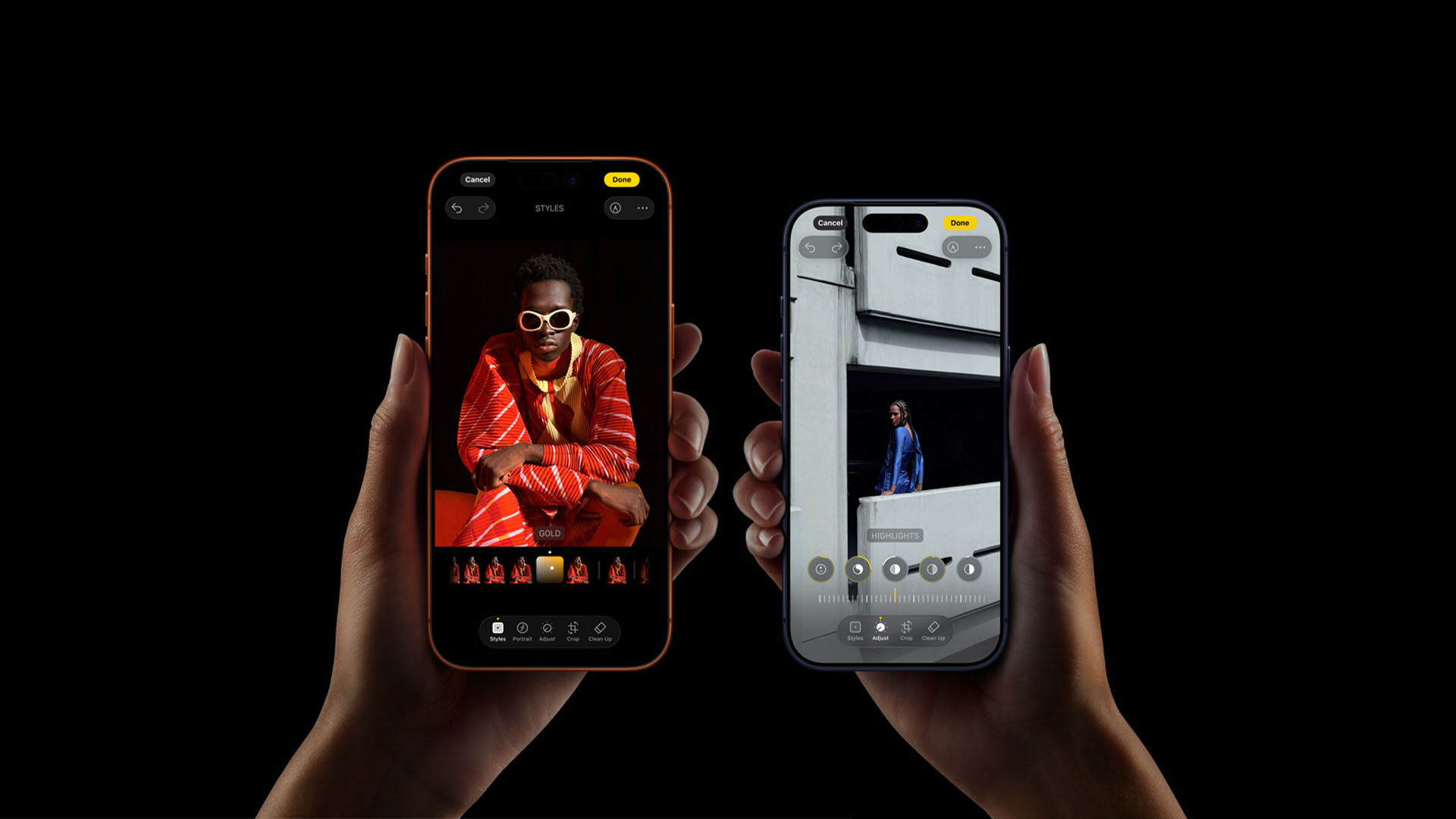
The shift primarily impacts power users, travelers, and those in regions where dual-SIM functionality is essential. While eSIMs allow for easy carrier switching without physical swaps, they still require a backup plan for scenarios where eSIM activation isn’t possible—such as in some international roaming cases.
For most consumers, however, the change may go unnoticed. Apple’s eSIM implementation has been seamless, and the added battery life could justify the tradeoff for those prioritizing endurance over physical flexibility.
How are prices shaping up?
Despite hardware upgrades, Apple is reportedly aiming to keep the starting prices of the iPhone 18 Pro and Pro Max unchanged from their iPhone 17 counterparts. The Pro is expected to launch at $1,099, while the Pro Max would remain at $1,199—positions that reflect Apple’s strategy of maintaining premium pricing while justifying incremental improvements.
With the iPhone 18 Pro duo slated for a September launch, attention will turn to whether Apple can balance battery life, performance, and user flexibility. The removal of physical SIM slots may signal a future where eSIMs become the default—even for non-foldable models—but it also raises questions about how the company will address edge cases where physical SIMs remain necessary.
For now, the focus remains on whether the tradeoffs are worth it—for both Apple and its customers.