Apple’s first foldable iPhone is now rolling off production lines at a key assembly partner’s facility, marking the tech giant’s late but decisive entry into a rapidly evolving market segment. This move underscores Apple’s commitment to redefining how users interact with their devices, blending compact portability with the expansive screen real estate that has become synonymous with modern computing.
The foldable iPhone, codenamed 'iPhone Fold,' is expected to feature a 7.8-inch outer display paired with a 6.2-inch inner display when unfolded, offering a seamless transition between two distinct modes. Unlike competitors that have experimented with flexible screens, Apple’s approach prioritizes durability and precision engineering, leveraging its signature attention to detail in both hardware and software integration.
Key specifications for the iPhone Fold include
- Display: 7.8-inch outer display (OLED), 6.2-inch inner display when unfolded
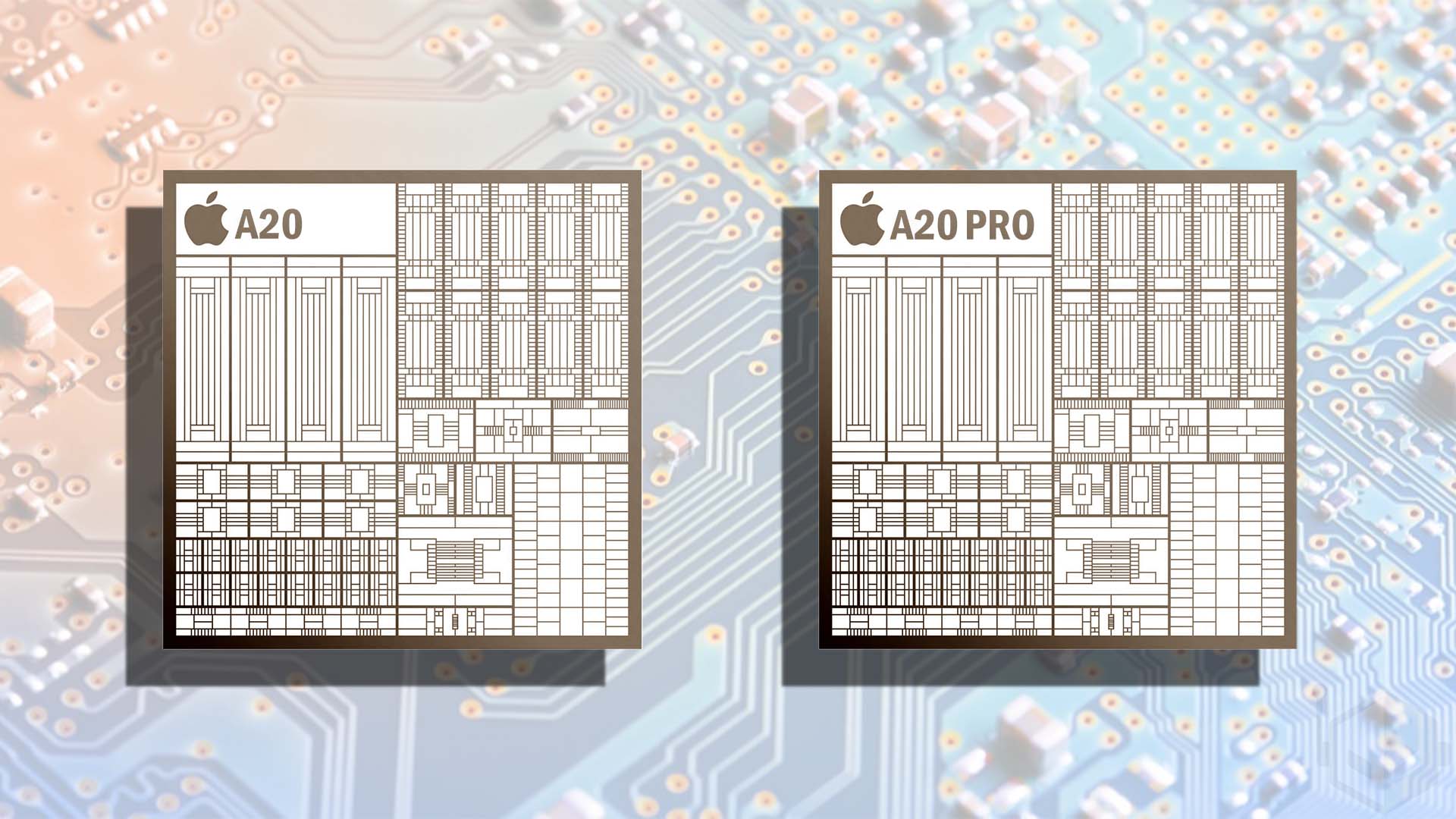
- Chipset: Apple A17 Pro (5nm process)
- RAM: 8GB LPDDR5X
- Storage: 256GB–1TB UFS 4.0
- Battery: ~5,000mAh with fast-charging support (up to 30W)
- Cameras: Dual 48MP rear cameras, 12MP front camera (with depth-sensing and autofocus)
- Connectivity: 5G, Wi-Fi 6E, Bluetooth 5.3
- Ports: USB-C (reversible), no headphone jack (USB-C for audio)
- Pricing: Estimated starting at $1,299
The device’s engineering is designed to address the practical challenges that have plagued earlier foldable smartphones—such as screen durability and hinge reliability. Apple’s use of a reinforced stainless steel frame and advanced haptic feedback mechanisms aims to mitigate crease concerns while maintaining a premium build quality. The A17 Pro chip, already proven in last year’s iPhone 15 Pro models, ensures performance that rivals dedicated tablets, making it a compelling option for users who demand both power and portability.
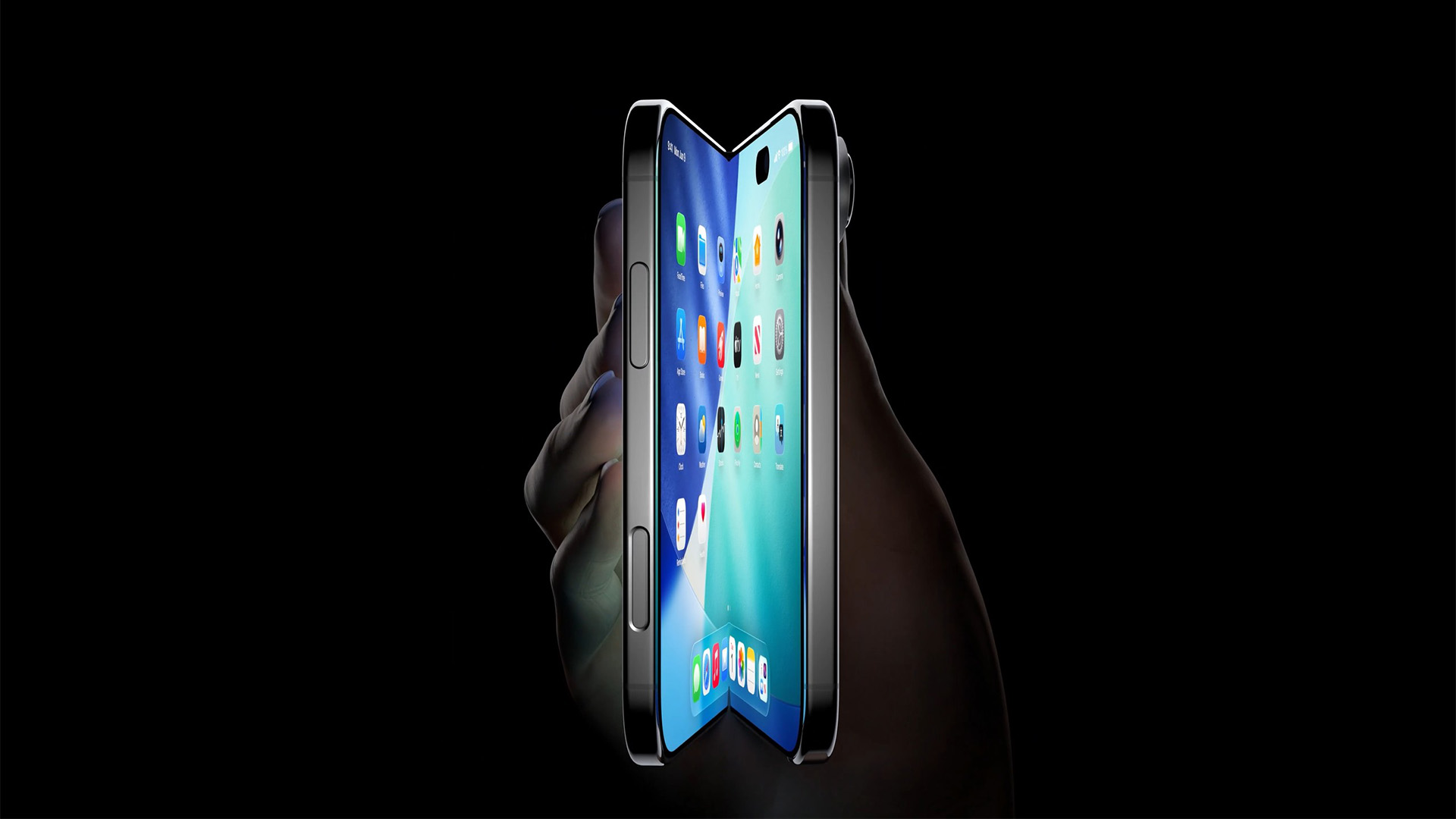
For PC builders and tech enthusiasts, the iPhone Fold represents more than just a new form factor; it signals Apple’s intent to push boundaries in mobile computing. The combination of high-end specifications, seamless software integration (likely running an optimized version of iOS), and a price point that aligns with other premium foldables positions this device as a benchmark for future iterations. While the exact launch timeline remains unconfirmed, industry analysts anticipate availability within the next few months, pending final quality checks and regulatory approvals.
Those most likely to benefit from this development are professionals who rely on multitasking capabilities—such as developers, designers, or content creators—who can leverage the expanded screen real estate without sacrificing the convenience of a compact device. Apple’s track record suggests that once refined, the iPhone Fold could redefine user expectations for what a smartphone can achieve, much like its predecessors did in their respective categories.