Apple’s latest Mac configurator has quietly dropped a major hint about the architecture of its forthcoming M5 Pro and M5 Max chips. The revamped tool now lets users dive straight into granular chip configurations—skipping pre-built options entirely—suggesting these chips may leverage TSMC’s SoIC-MH (System-on-Integrated-Chip Modular Hybrid) packaging. This 3D stacking technology allows Apple to combine CPU, GPU, and neural engine dies into a single package, enabling customizable performance profiles for different workloads.
What is SoIC-MH? Unlike traditional monolithic chips, SoIC lets manufacturers stack dies vertically and horizontally, creating a modular architecture. For example, a user focused on GPU-heavy tasks—like video editing—could theoretically opt for a configuration with more GPU cores, while a productivity user might prioritize CPU efficiency. Apple’s shift away from pre-set configurations aligns with this flexibility, implying the M5 series will offer unprecedented granularity.
The M5 Pro and M5 Max chips are expected to debut with the next generation of MacBook Pro models, likely arriving alongside the macOS 26.3 update cycle. While Apple has historically avoided drastic UI changes without purpose, the configurator’s overhaul strongly hints at a deliberate push toward customizable silicon.
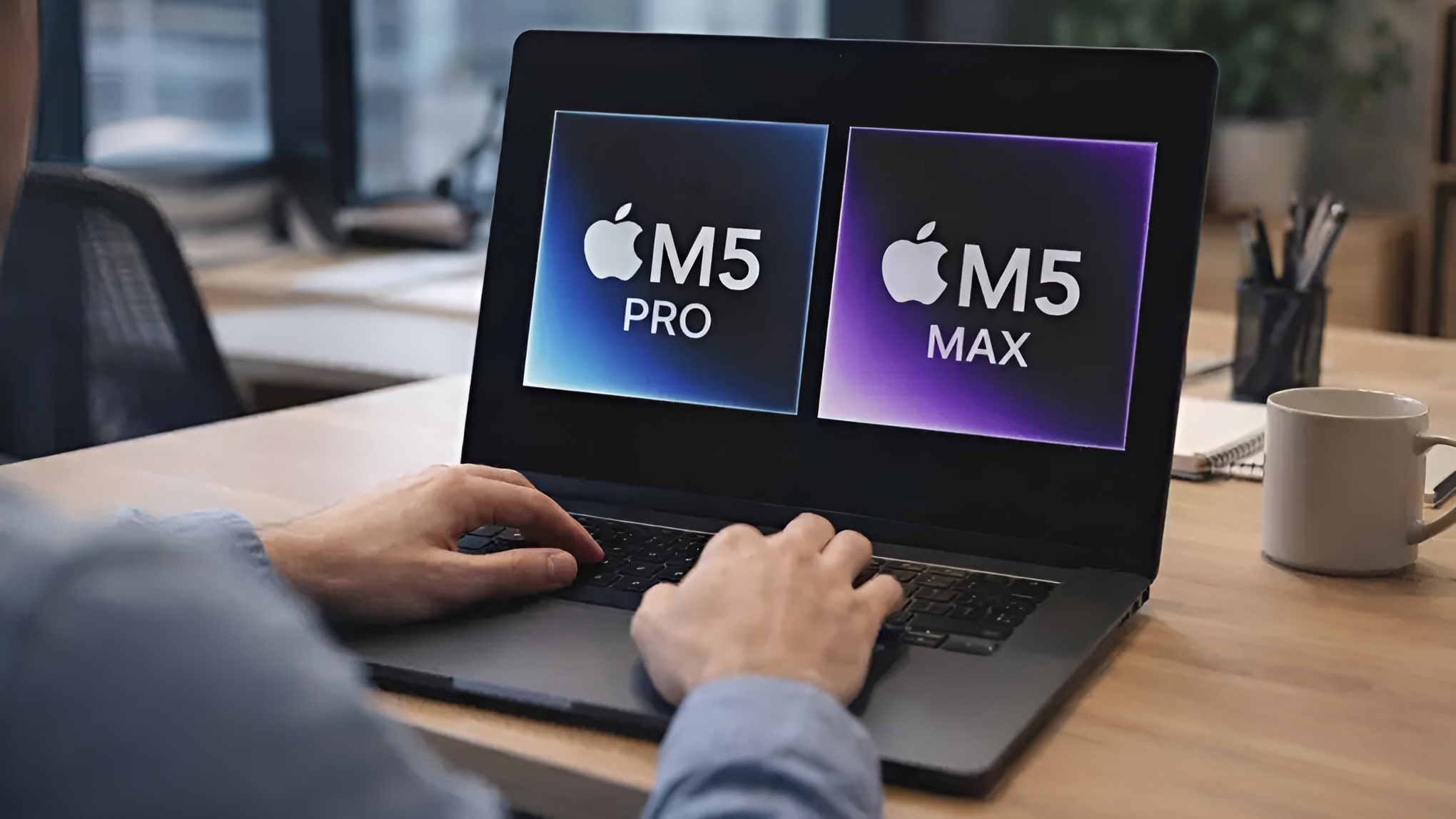
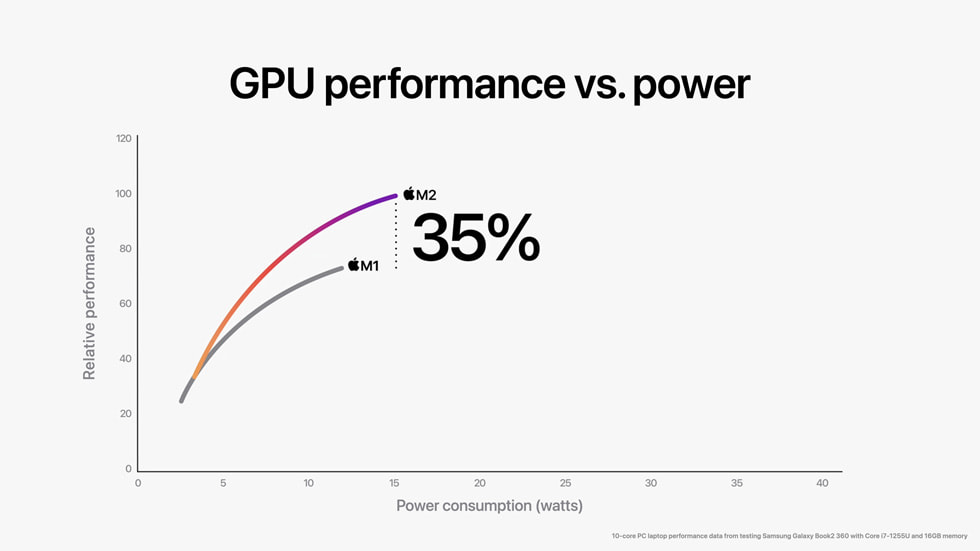
Why does this matter? SoIC packaging isn’t just about stacking dies—it’s about efficiency. By integrating multiple components into a single package, Apple could reduce power consumption, improve thermal management, and even adjust performance dynamically. For professionals, this means finer-tuned hardware for specific tasks, while consumers gain access to configurations tailored to their needs without sacrificing performance.
The move also underscores Apple’s growing reliance on TSMC’s advanced packaging, a strategy that could accelerate innovation in future chips. With the M5 series likely built on TSMC’s 2nm process, the combination of packaging and manufacturing could set new benchmarks for power efficiency and performance density.
Key specs (hinted by configurator changes)
- Packaging: Likely TSMC SoIC-MH (3D stacking of CPU, GPU, neural engine dies)
- Manufacturing: 2nm (for M5 Pro/M5 Max, per industry reports)
- Customization: Granular die-level configuration (CPU/GPU/neural engine adjustments)
- Target devices: Next-gen MacBook Pro (expected with macOS 26.3)
While Apple hasn’t confirmed SoIC adoption, the configurator’s redesign—alongside recent leaks—strongly suggests this is the direction. For users, it means more control over hardware specs, while for developers, it could unlock new optimization opportunities. The M5 Pro and M5 Max may not just be incremental upgrades; they could redefine how Apple’s chips are built and configured.