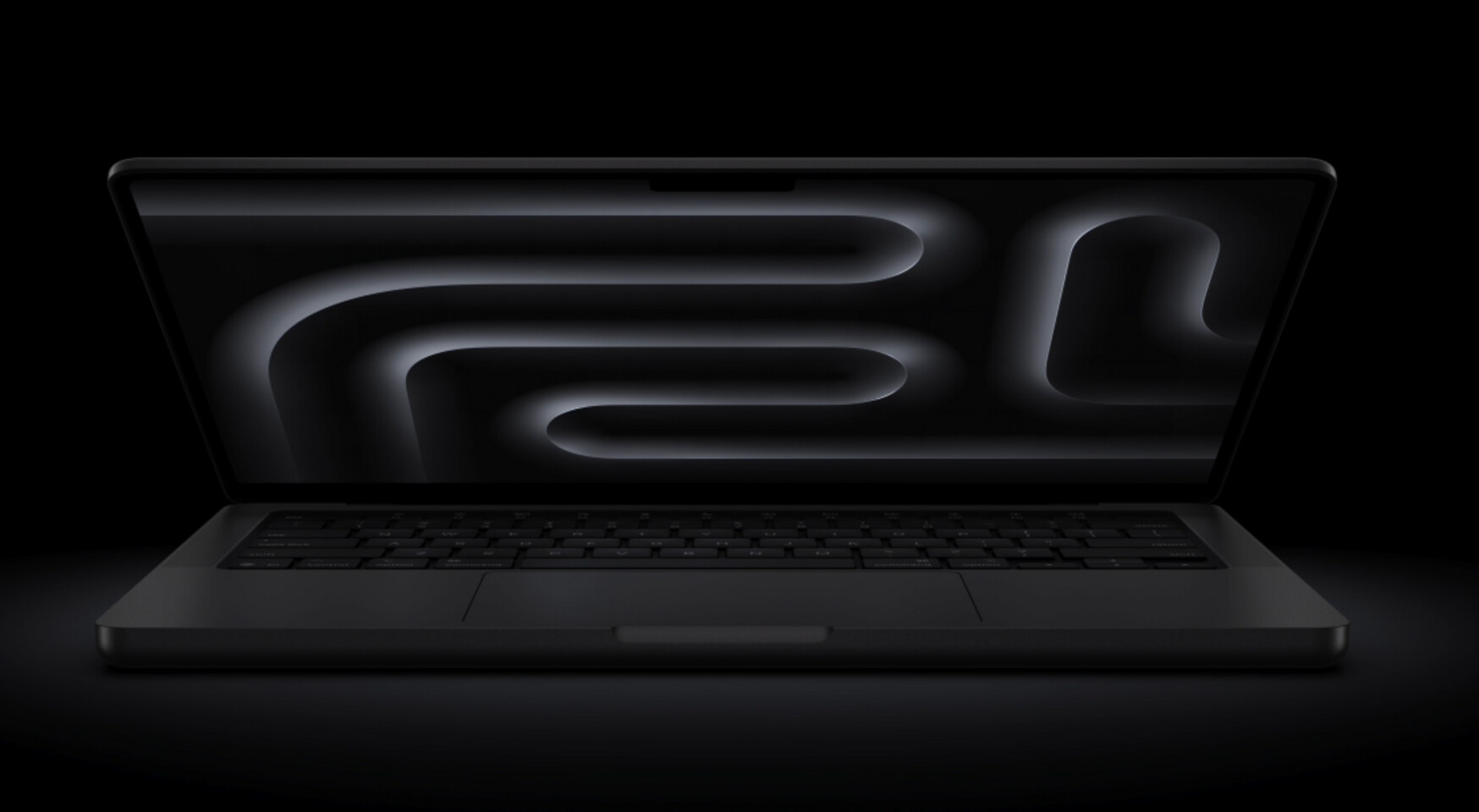
Apple is set to introduce the MacBook Ultra, a device that marks a significant departure from its traditional laptop design. This model will feature an OLED touchscreen and Dynamic Island, moving away from Apple's conventional approach to portable computing. Positioned above the newly announced M5 Pro and M5 Max-powered MacBook Pro 14 and 16, the MacBook Ultra aims to create a diverse and powerful lineup for Apple.
The integration of an OLED touchscreen represents a notable shift for Apple, which has historically been cautious about adopting touch-enabled displays. However, technological advancements have pushed the company to reconsider this stance. The Dynamic Island, a new feature replacing the familiar notch, is expected to enhance user interaction and provide a more immersive experience.
Redefining Performance with Advanced Chip Architecture
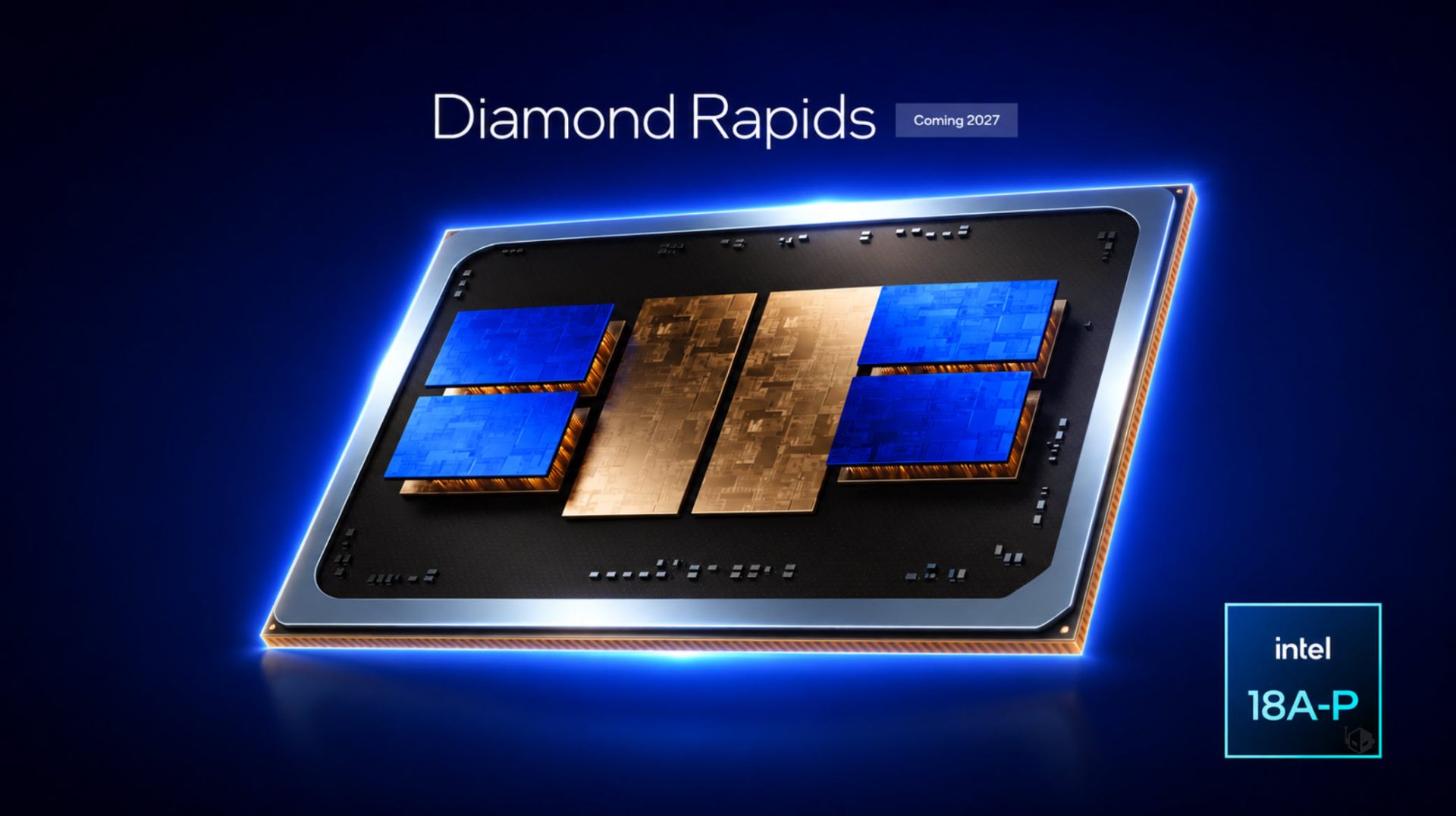
The MacBook Ultra will feature a refined chip architecture that separates the CPU/NPU from the GPU, moving away from the monolithic design seen in previous generations. This change allows for greater flexibility in scaling both CPU and GPU components independently, potentially leading to more powerful and efficient devices.
- Display: OLED touchscreen with Dynamic Island
- Chip Architecture: SoIC-MH 2.5D packaging, separating CPU/NPU from GPU
- Performance: Potential for more Super Cores and M-Tier performance cores in the CPU, and beyond 40-core configuration in the GPU
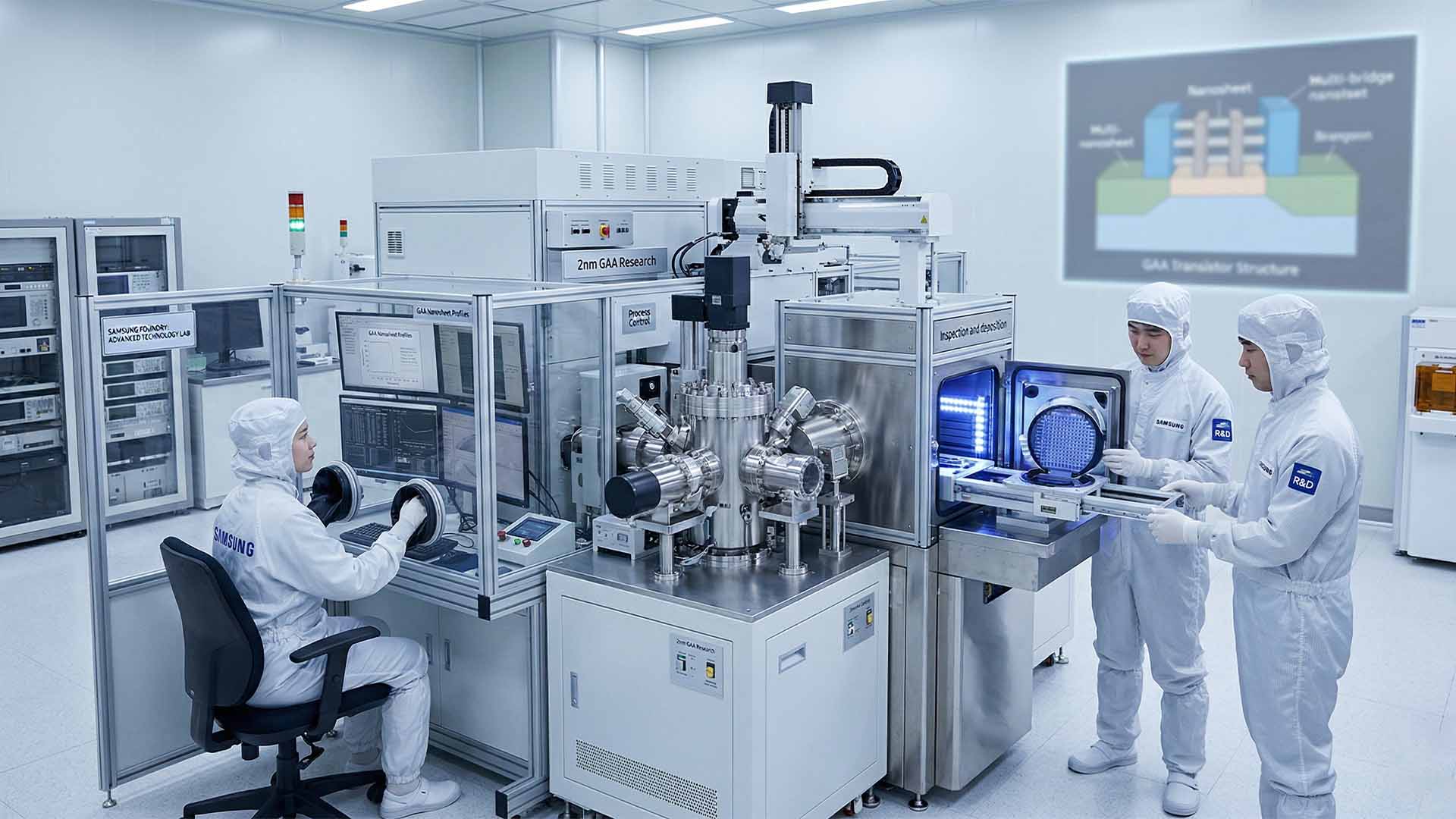
The new packaging technology, SoIC-MH 2.5D, is a collaboration with TSMC and represents a significant advancement in Apple's chip design process. This approach allows for more SKUs without maintaining a large die size near the reticle limit of 830 mm², improving yield and reducing defective dies. The result is a more efficient production process that could lead to better performance and cost savings.
Performance and Scalability
The MacBook Ultra's chip architecture is designed to support more scalable CPU clusters with additional Super Cores and M-Tier performance cores. This, combined with the potential for a GPU configuration beyond the current 40-core setup in the M5 Max, suggests a significant leap in processing power. The separation of CPU/NPU and GPU components also enables independent scaling, which could lead to more customizable and powerful devices.
This new approach to chip design is not just about performance; it's also about efficiency. By moving away from the monolithic design, Apple can optimize its production process, leading to fewer defective dies and a more streamlined manufacturing workflow. This could translate into better value for consumers, as the company has historically done with OLED upgrades in other devices.
Industry Implications
The introduction of the MacBook Ultra marks a significant moment for Apple, as it embraces technologies that were once met with skepticism. The shift towards OLED touchscreens and Dynamic Island reflects a broader industry trend, where companies are rethinking their approach to portable computing. This model is expected to launch at the end of this year, coinciding with potential updates to other MacBook models.
While the exact pricing has not been confirmed, Apple's history suggests that there will be a premium associated with the OLED upgrade and advanced chip architecture. This could position the MacBook Ultra as a high-end option for power users and professionals who demand both performance and innovation.
The MacBook Ultra is set to redefine what a portable laptop can be, blending cutting-edge display technology with a refined chip architecture that promises enhanced performance and efficiency. As Apple continues to push the boundaries of what's possible in portable computing, this new model could set a new benchmark for the industry.