Apple’s retail teams are working overtime this month, preparing for what could be one of the most intense launch periods in recent memory. With multiple product lines—including a long-awaited low-cost MacBook, a new iPhone, and updated MacBook Pro models—set to debut within days of each other, the tech giant is taking precautions to avoid the logistical chaos that often follows major product releases.
The focus is particularly sharp on the low-cost MacBook, which is expected to redefine value in Apple’s lineup. Reports suggest it will feature a compact aluminum chassis, a 12.9-inch display, and a chip derived from the iPhone 16 Pro Max, all packaged with a USB 3.2 Gen 2 controller capable of handling speeds up to 10 Gb/s. The device is also rumored to come in a range of vibrant colors, including light yellow, blue, pink, and classic silver, aiming to appeal to a broader audience than Apple’s traditional customer base.
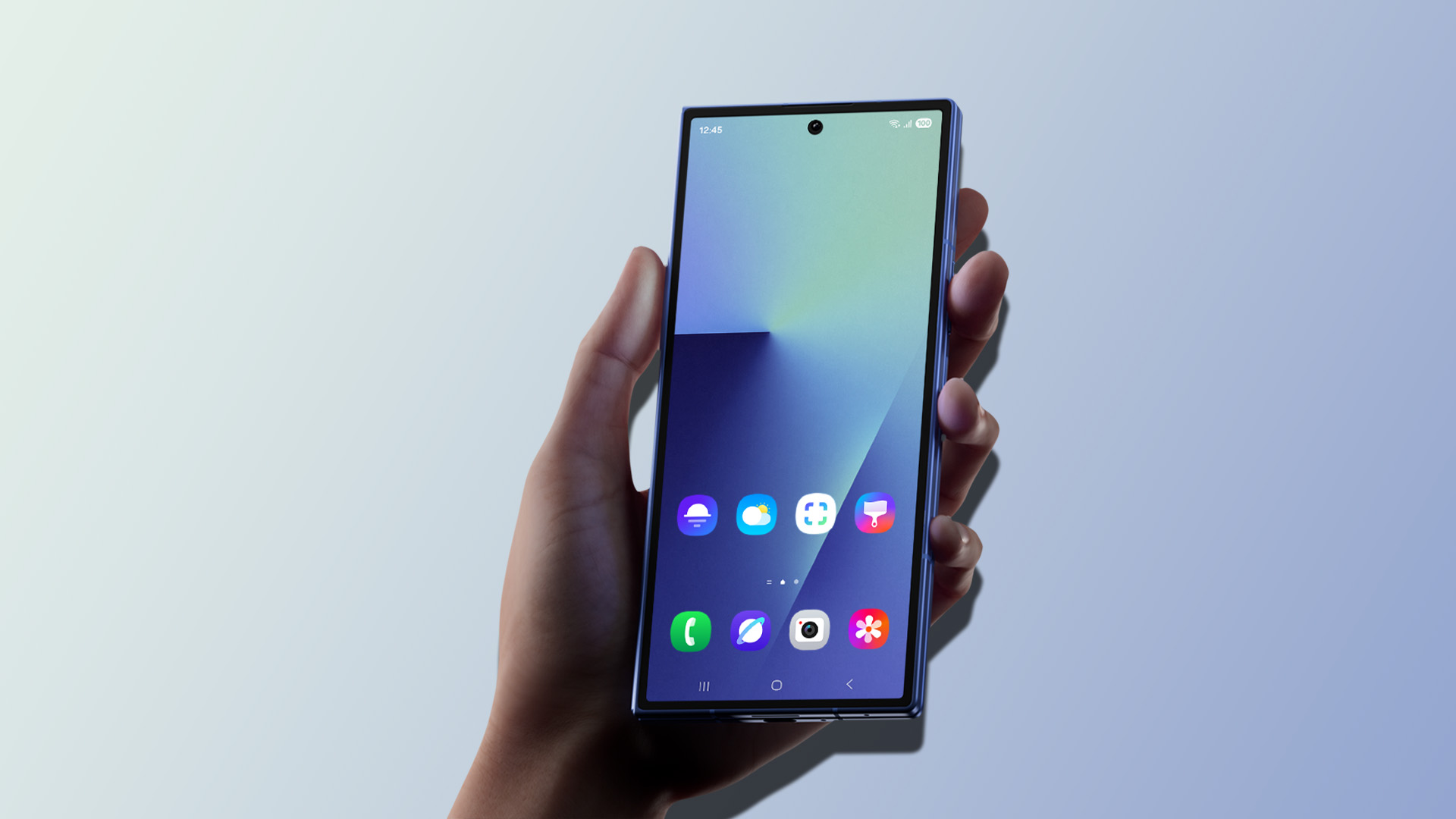
Simultaneously, the iPhone 17e is shaping up as another key player in this launch cycle. It’s expected to bring a 6.1-inch LTPS OLED display with a 60Hz refresh rate, Dynamic Island, and an A19 chip paired with a C1-series modem—though without the N1 chip seen in higher-tier models. The device is also said to support magnetic wireless charging, a 48MP rear camera, and a 12MP selfie camera, all while targeting a price point of $599.
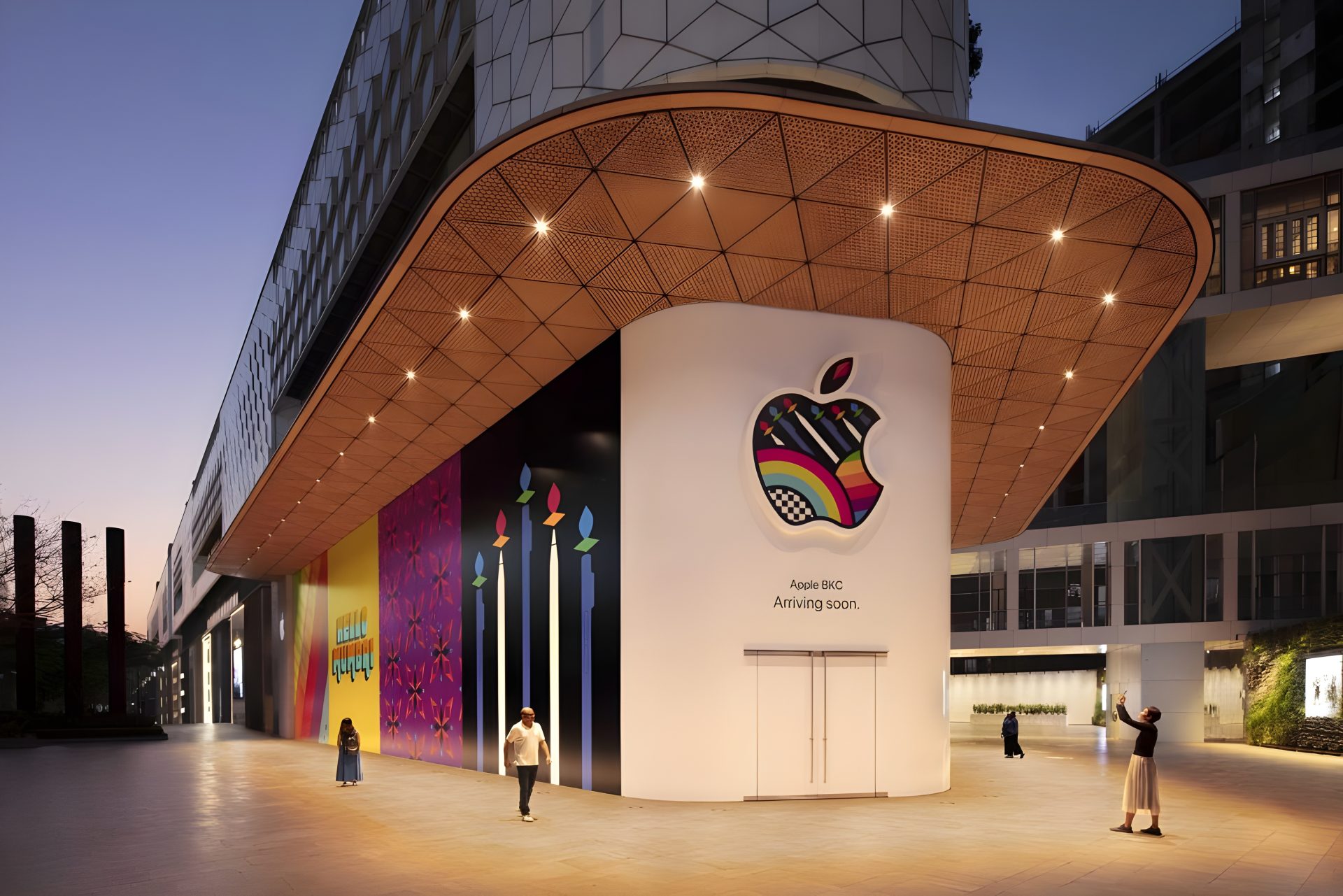
Apple’s retail stores are already bracing for longer hours, mirroring the intensity seen during annual iPhone launches in September. Employees have been instructed to expect a deluge of customers, particularly for the low-cost MacBook, which is likely to dominate display tables and drive foot traffic unlike any other product in Apple’s current lineup.
The upcoming week will test not only Apple’s supply chain but also its ability to manage customer expectations during a period where multiple product lines—from iPads to MacBook Pros—are set to receive updates. For power users, this could mean a rare opportunity to upgrade across multiple devices in a single sitting, though the risk of platform lock-in remains a consideration, especially with Apple’s tendency to push seamless integration over third-party compatibility.
For now, buyers should watch closely for official announcements. Pricing and availability will be critical factors, particularly for the low-cost MacBook, which is expected to challenge assumptions about what an entry-level Apple device can deliver. The stakes are high: this could be a defining moment for how Apple balances affordability with its signature performance.