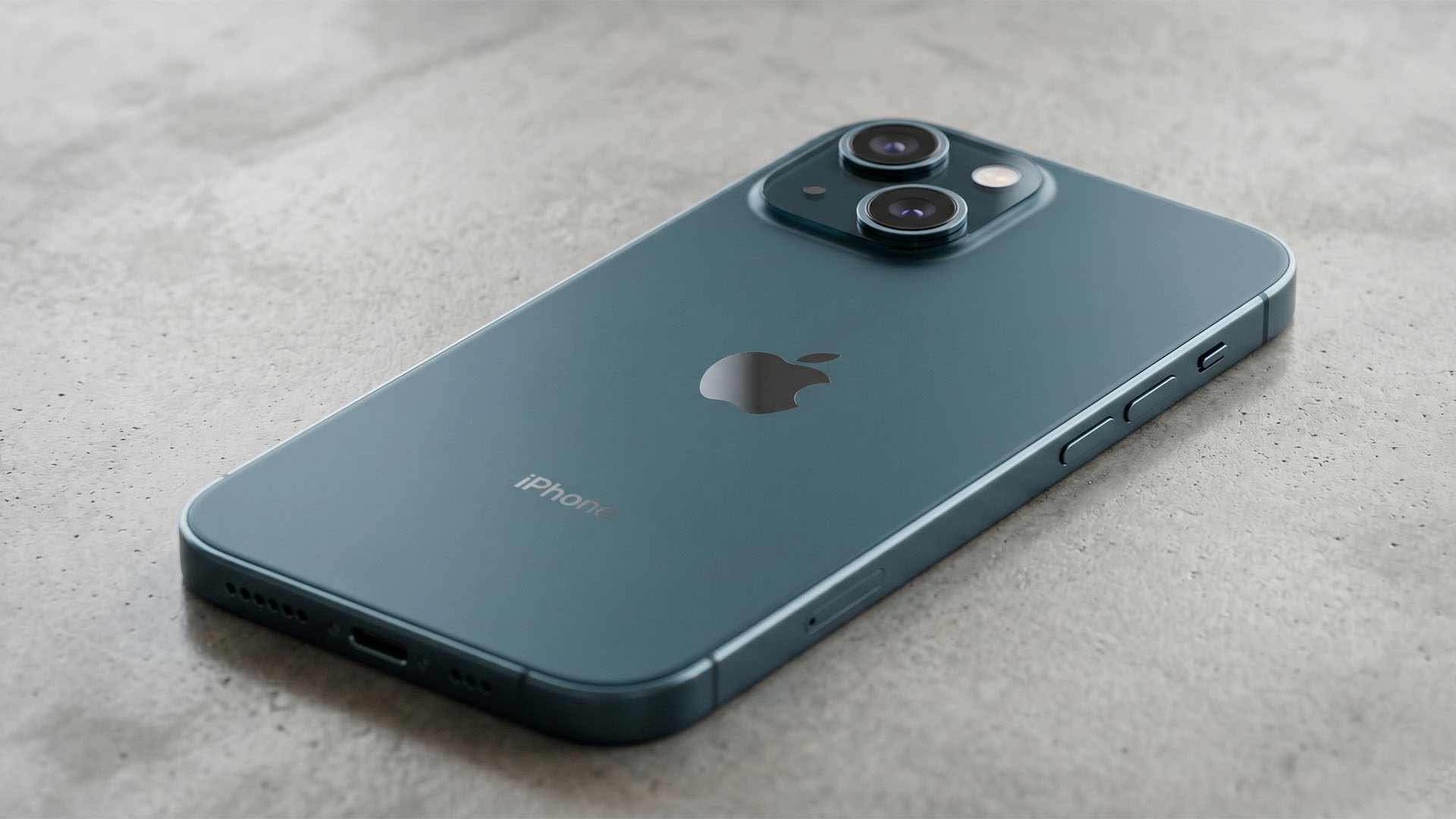
Apple's Smart Home Display, internally codenamed J490, is set to miss its original spring 2025 launch window after another delay—this time because the company's overhauled Siri platform remains unfinished. The device, which blends a 7-inch touchscreen with facial recognition and tvOS 27, was supposed to debut alongside an updated Siri this month. Instead, both projects are now slated for late 2026, reshaping expectations for Apple's smart home strategy.
The Smart Home Display is designed to sit on a dome-shaped speaker base or mount directly to a wall, offering personalized content based on facial recognition. Its interface will feature circular app icons reminiscent of the Apple Watch, running on a custom variant of tvOS 27. However, its core functionality hinges on Siri's new AI-driven capabilities—agentic actions, personal context awareness, and on-screen interaction—all of which are still in development.
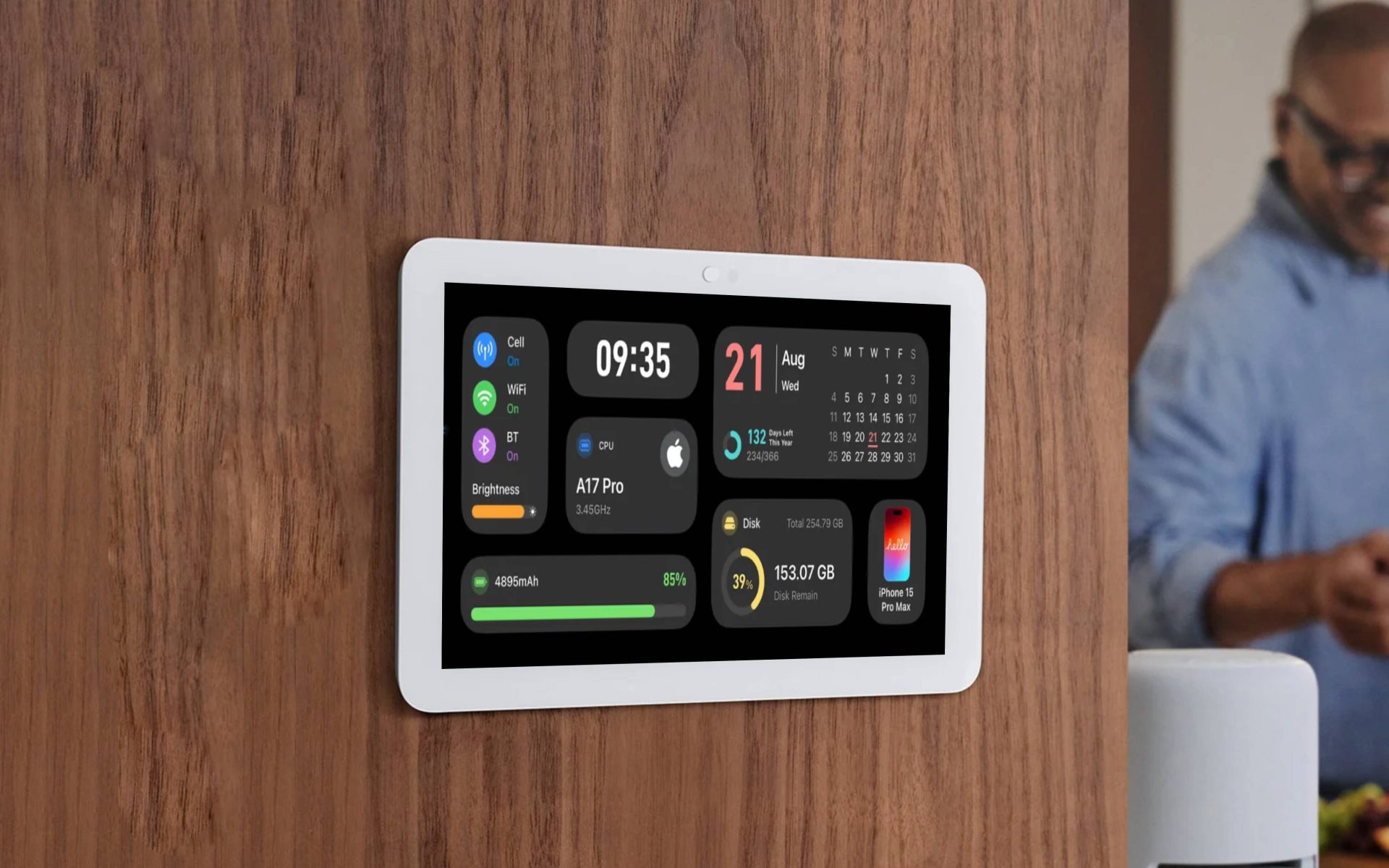
Siri's revamp is built around a 1.2-trillion-parameter custom Gemini model, Foundation Models version 10, meant to operate within Apple's Private Cloud Compute framework. This system balances on-device processing for simpler tasks with cloud offloading for complex inference, ensuring privacy while maintaining performance. But persistent issues—likely related to latency or consistency—have stalled its rollout, forcing Apple to rethink the Smart Home Display's timeline.
For small businesses eyeing a seamless smart home integration, this delay introduces uncertainty. The device was positioned as an efficient, heat-resistant solution for retail or hospitality environments, where quick recognition and personalized interactions could streamline operations. Now, its effectiveness depends on whether Siri's AI can deliver stable, real-world performance by fall 2026.
The Smart Home Display itself remains unchanged in specs: a single USB-C port, aluminum casing, and a 7-inch screen. But without Siri's promised advancements, its competitive edge may blur against alternatives like Amazon's Echo Show or Google Nest Hub. Apple's next move will determine whether this product can still carve out a niche—or if it becomes another casualty of Siri's prolonged development cycle.