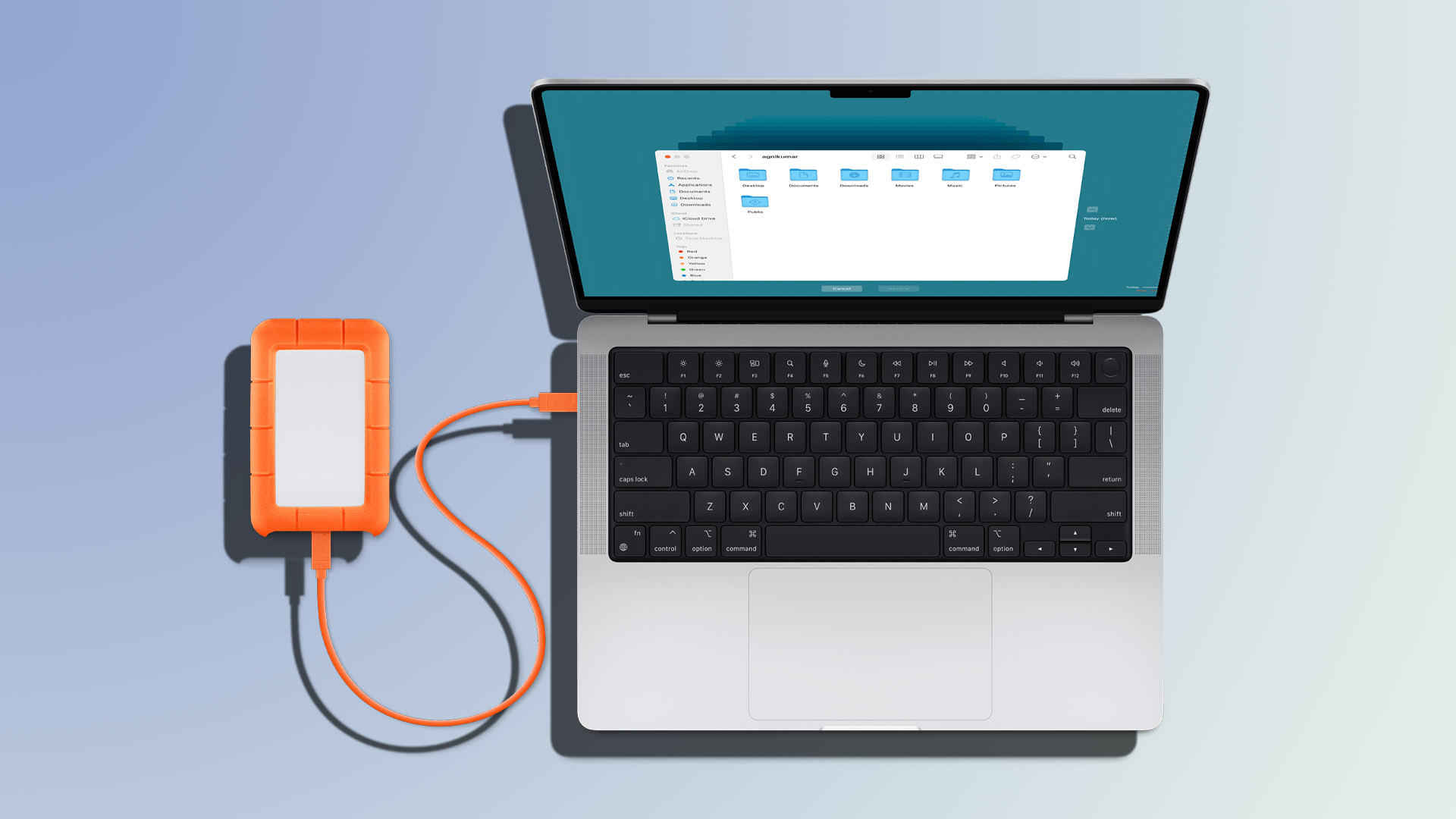
Apple’s recent decision to increase the price of its 1TB storage products by $40 represents a significant shift in its approach to pricing, one that mirrors broader trends affecting the tech industry. This adjustment, which took effect immediately, sees the cost of Apple’s 1TB SSD rise from $320 to $360—a move that underscores the growing pressure on NAND flash memory supplies.
This isn’t an isolated incident but part of a larger pattern where storage component prices have surged due to global supply constraints. The irony, however, lies in the fact that Apple’s own devices—such as its flagship iPhones and M1-powered Macs—remain shielded from this cost increase, further highlighting the disconnect between the price of standalone storage solutions and the components embedded in Apple’s hardware.
Why This Adjustment?
The timing of this price hike aligns with a year-long trend of semiconductor shortages that has disrupted the tech industry. NAND flash memory, a critical component for both internal and external storage, has seen particularly sharp price increases due to limited supply and high demand. While Apple’s own products continue to offer generous built-in storage options—such as 256GB or 512GB in its latest iPhones and Macs—this shift means that users looking to expand their capacity with external drives are now facing significantly higher costs.
Who Is Affected?
- Enthusiasts and Builders: Users who rely on high-capacity storage for tasks like video editing, 3D rendering, or large-scale data management will notice the impact most acutely. The 1TB SSD, once a mid-range option for power users, now carries a premium price that may deter those with budget constraints.
- Everyday Users: For consumers whose needs are more modest—such as photos, documents, or light media consumption—the change has minimal practical effect. Most Apple devices come with sufficient built-in storage to meet everyday demands, reducing the necessity for external upgrades. However, professionals in fields like film production, game development, or data science will still feel the financial strain.
Apple has not provided a clear indication of when these prices might stabilize, leaving users to navigate an uncertain market. The company’s own hardware, including the iPhone 13 lineup and M1 Macs, remains unaffected by this shift, reinforcing the perception that Apple prioritizes maintaining stable pricing for its core products while passing on component cost increases elsewhere.
Looking Ahead
The question now is whether this trend will persist or if prices will eventually stabilize as supply chains recover. With demand for high-capacity storage remaining strong and semiconductor shortages still lingering, it’s possible that these higher prices could become the new norm rather than a temporary anomaly. For users considering external storage upgrades, careful planning may be necessary to avoid unexpected costs in the coming months.
The situation also raises broader questions about how tech companies balance component pricing with final product costs. While Apple has historically insulated its hardware from such fluctuations, this shift suggests that even industry giants are not entirely immune to the pressures of a supply-constrained market. For now, buyers should weigh their storage needs against the financial implications, as the landscape continues to evolve.