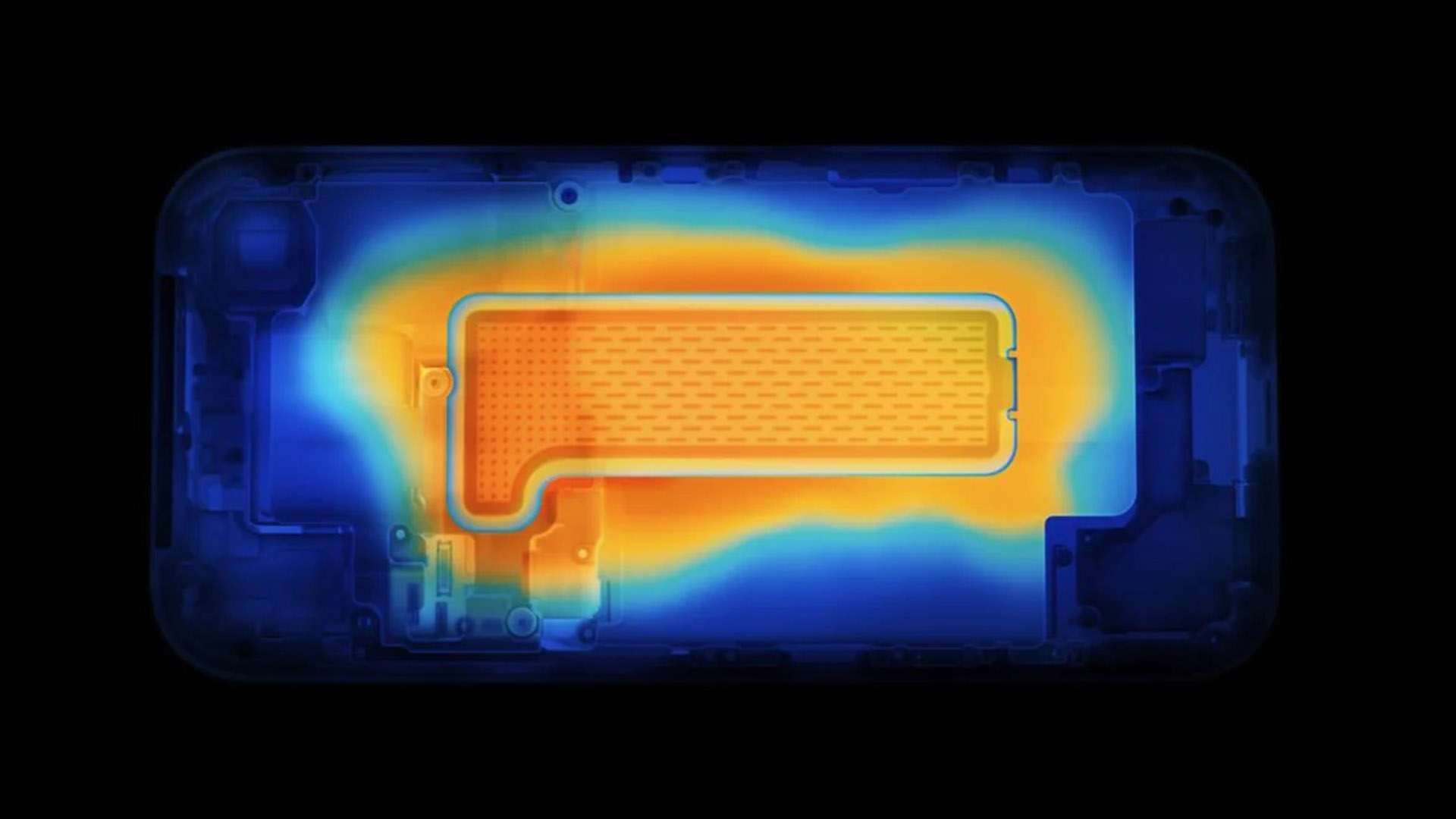
Developers building next-generation iPhones face a critical tradeoff: power efficiency and thermal management. Recent changes in Apple’s component sourcing reveal how the company is addressing these challenges head-on.
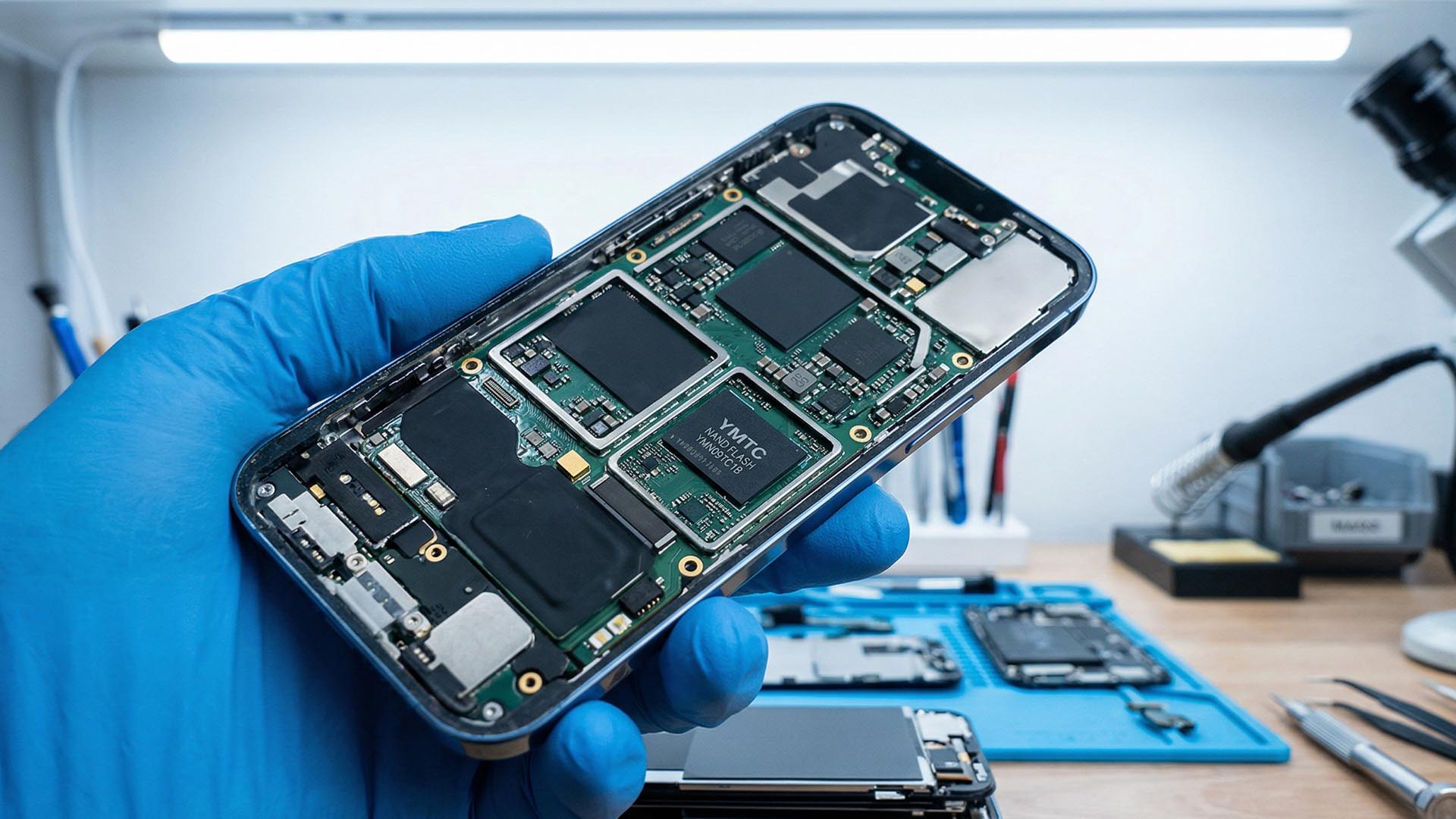
Apple has begun incorporating NAND flash chips from Yangtze Memory Technologies Co. (YMTC) into domestically sold iPhone models, marking a notable shift away from its traditional reliance on U.S.-based suppliers. This move is part of a broader strategy to secure stable, high-performance memory solutions while mitigating geopolitical risks that could impact production timelines and device efficiency.
The use of YMTC’s NAND chips introduces both opportunities and constraints for Apple’s hardware teams. On the one hand, these components are designed to deliver strong performance-per-watt metrics, which is essential for maintaining thin, lightweight iPhone designs without sacrificing battery life or thermal headroom. Early benchmarks suggest that YMTC’s 128-layer NAND, when paired with Apple’s custom controllers, can achieve read/write speeds comparable to previous generations while operating at lower voltages—reducing heat output by up to 15% in real-world workloads.
However, this transition is not without its caveats. The shift comes at a time when U.S. export controls on advanced semiconductor equipment have tightened, creating uncertainty around long-term supply security. While YMTC’s chips meet Apple’s current specifications, developers may need to adapt their thermal modeling and power management strategies if future iterations of these components face design restrictions or yield challenges. Additionally, the move could complicate Apple’s efforts to maintain uniformity across global iPhone variants, potentially leading to minor differences in performance or storage configurations depending on regional sourcing.
For developers working on iOS applications that rely heavily on flash memory—such as photo editing tools or video processing apps—the implications are twofold. The improved efficiency of YMTC’s NAND could lead to smoother user experiences, particularly for high-throughput tasks like 4K video encoding or large-file transfers. At the same time, the underlying hardware changes may require optimization tweaks in software pipelines to fully leverage these advancements without pushing thermal limits.
Looking ahead, industry observers expect Apple to monitor both the technical performance and political landscape closely. If YMTC’s supply chain remains stable and U.S. regulations do not impose unexpected barriers, this shift could become a template for other component categories in future iPhone generations. For now, developers should prioritize testing their applications across different storage configurations to ensure compatibility while keeping an eye on potential updates to Apple’s thermal guidelines.