DeepCool has taken a bold step forward in cooling technology with the Assassin V Vision, a device that integrates a 1-inch LCD display directly into an air cooler. This is not just a cosmetic upgrade; it represents a shift toward more interactive cooling solutions where temperature data and controls are visible at a glance, without needing to glance away from the screen. The question now is whether this innovation will prove practical in everyday use or remain a niche feature for enthusiasts.
The display is the most striking aspect of the Assassin V Vision. It measures 150mm x 130mm x 42mm and weighs just 890 grams, making it one of the lightest high-end coolers on the market. The screen itself offers a resolution of 640x480, which is sufficient for showing real-time temperature readings, fan speed adjustments, and RGB lighting profiles. This eliminates the need for external devices during benchmarking or gaming sessions, but its small size may limit detailed data visualization.
Under the hood, the Assassin V Vision maintains DeepCool’s focus on performance. It uses a hybrid design combining copper heat pipes with a high-performance aluminum fin stack, ensuring efficient heat dissipation. The cooler supports both Intel LGA 1700 and AMD AM5 sockets through a universal mounting bracket, offering flexibility for users upgrading to different platforms. The fan, measuring 140mm in diameter, can spin at speeds up to 2,300 RPM, with noise levels as low as 8 dB(A) on idle and peaking at 35 dB(A) under load—a notable achievement for a cooler with active cooling components.
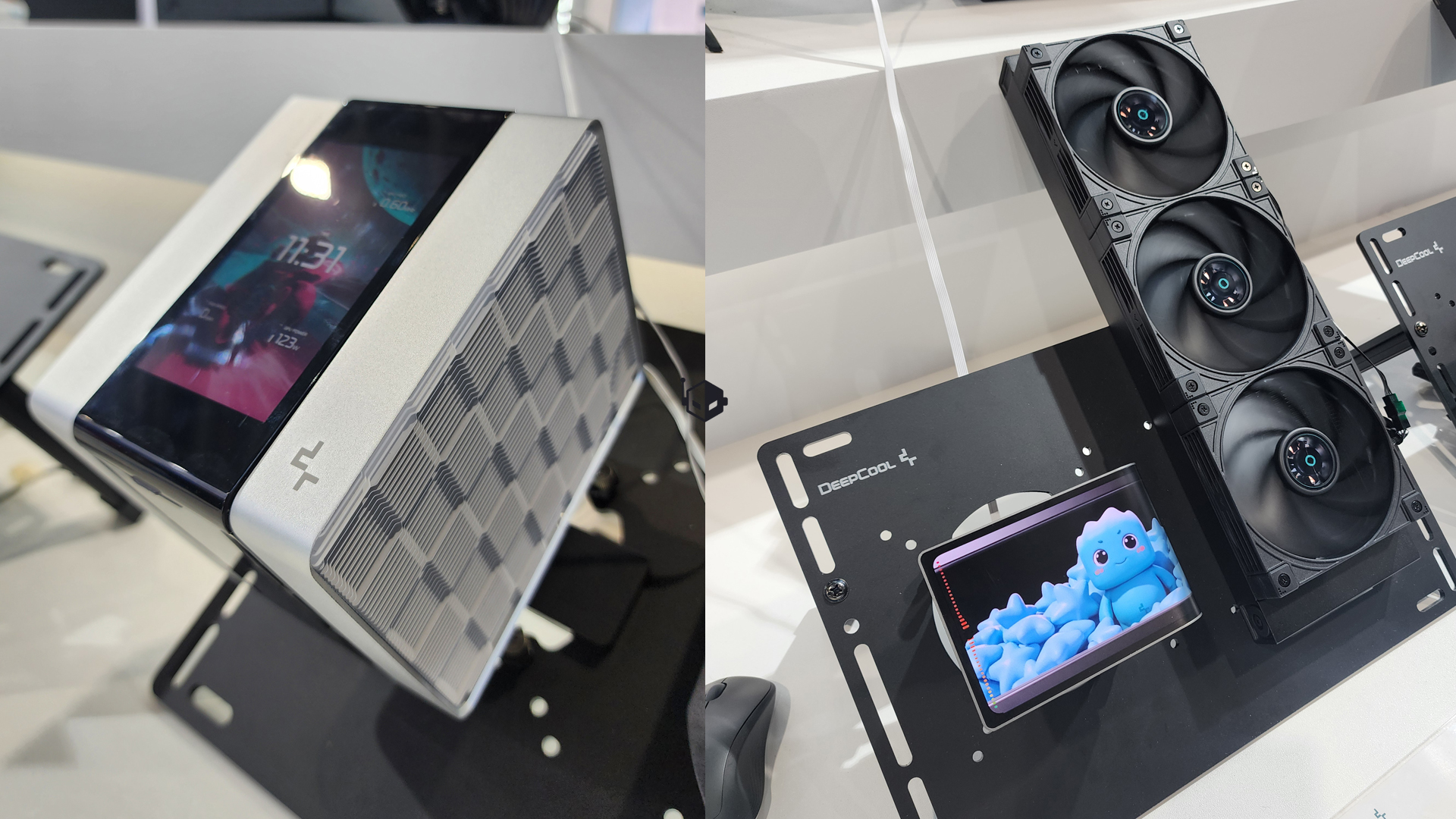
DeepCool claims the Assassin V Vision delivers 20% better thermal performance compared to its predecessor, the Assassin V. While benchmark results suggest it can maintain CPU temperatures around 10-15°C lower than air coolers without dedicated displays, independent verification is still pending. The cooler also introduces a new ‘Vision’ software suite that allows users to customize RGB lighting, adjust fan curves, and monitor temperatures remotely via Bluetooth or Wi-Fi. This software could be a key factor in the cooler’s long-term success, as it opens up possibilities for AI-driven cooling profiles in future updates.
The practicality of the display remains the biggest uncertainty. While it eliminates the need for secondary devices during testing sessions, its small size may limit detailed data visualization. The cooler’s roadmap hints at future software updates, including AI-driven cooling profiles, but no timeline has been confirmed. For creators and enthusiasts who prioritize performance over gimmicks, the Assassin V Vision may feel like an experiment rather than a necessity.
What is confirmed: improved thermal performance, lightweight design, and a unique display feature. What remains unclear: real-world usability of the screen, long-term software support, and whether the 20% cooling claim translates to measurable gains in sustained workloads. For now, it’s a cooler with potential—but one that asks users to trust its vision before they’ve seen the full picture.