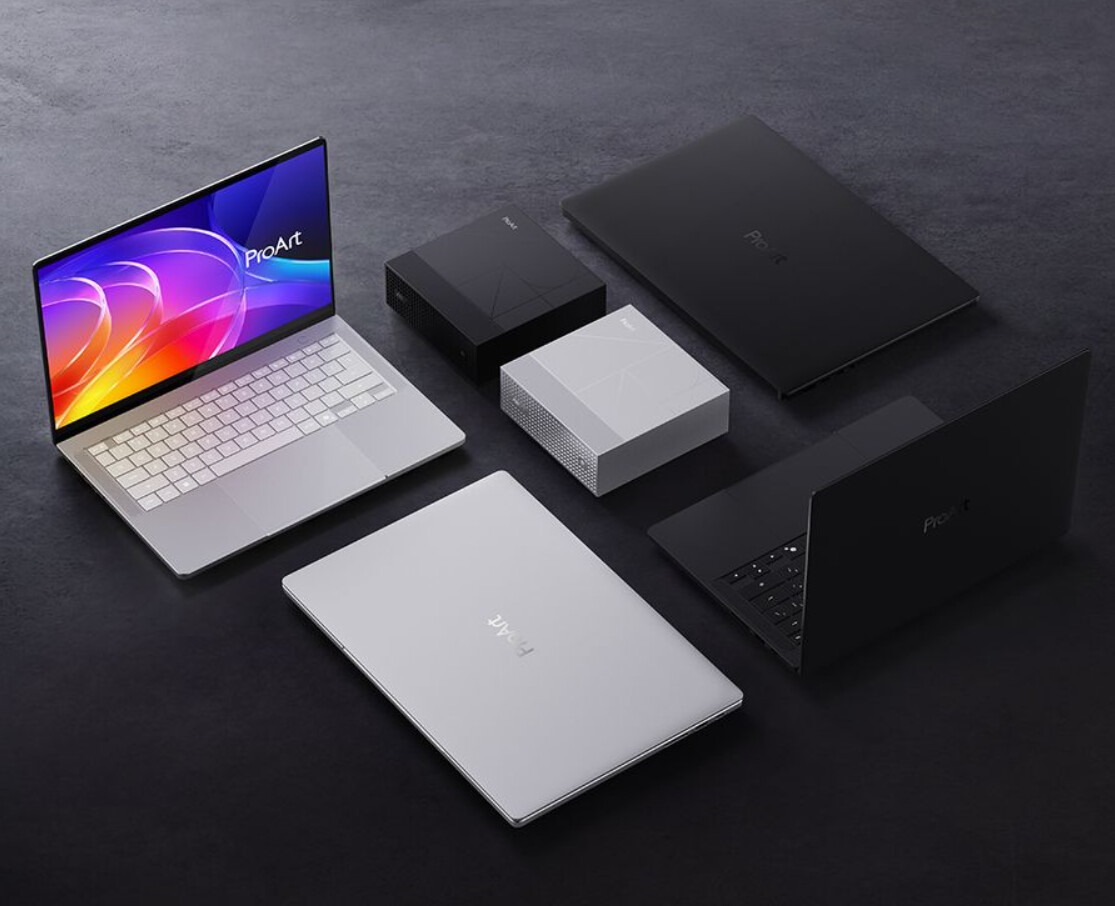
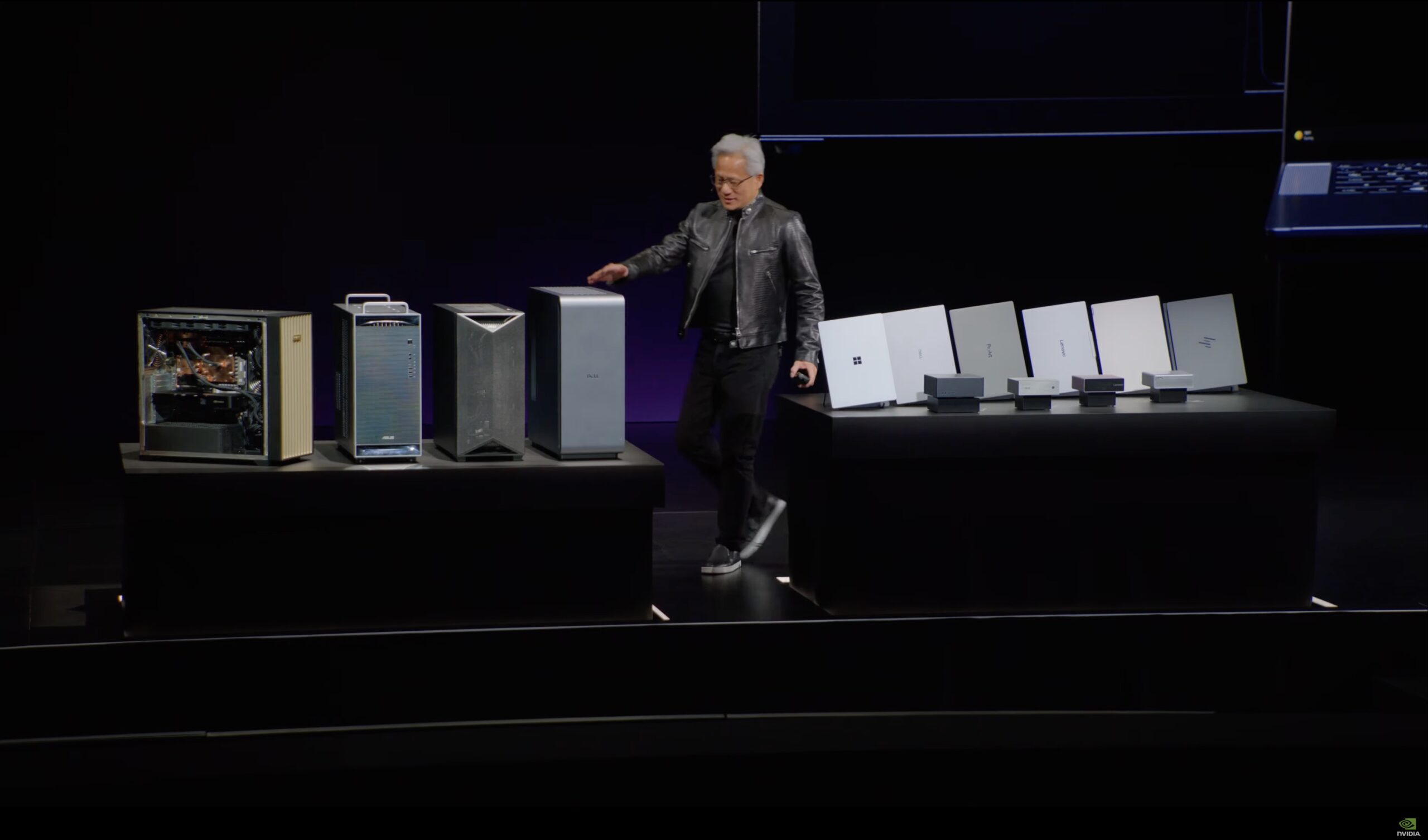
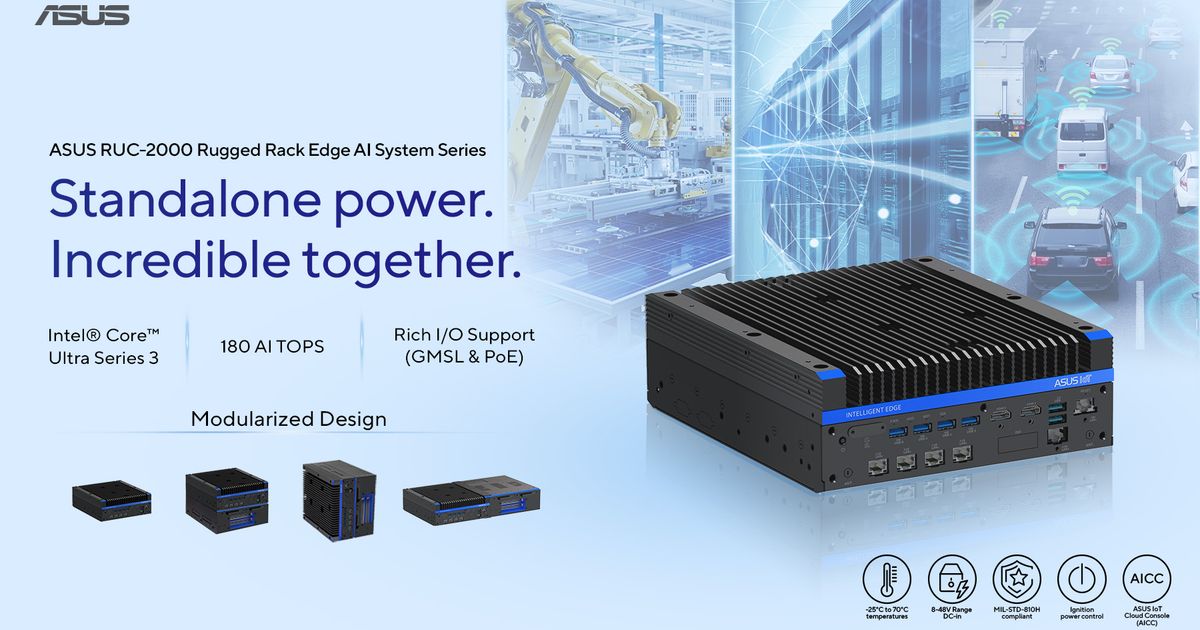
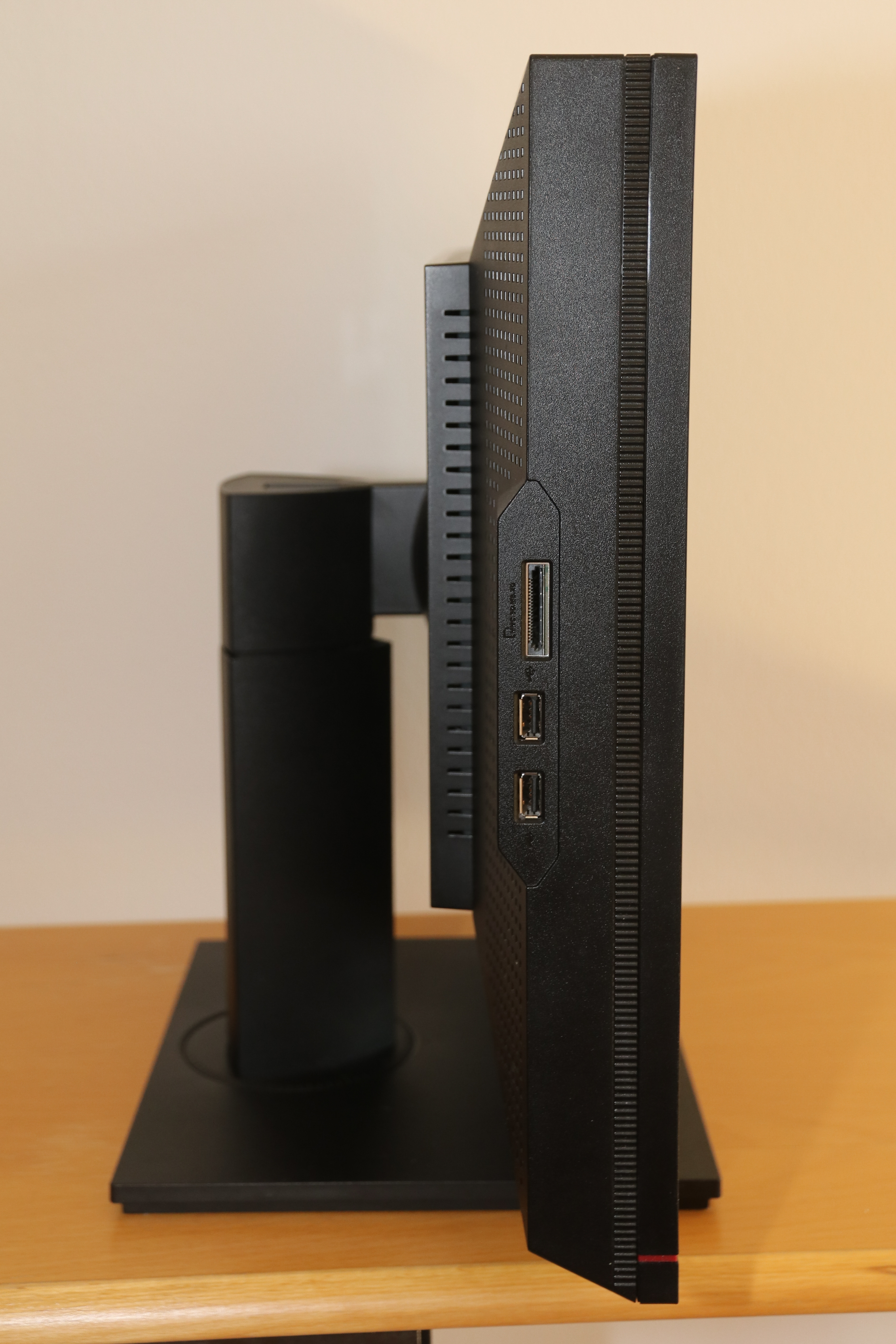
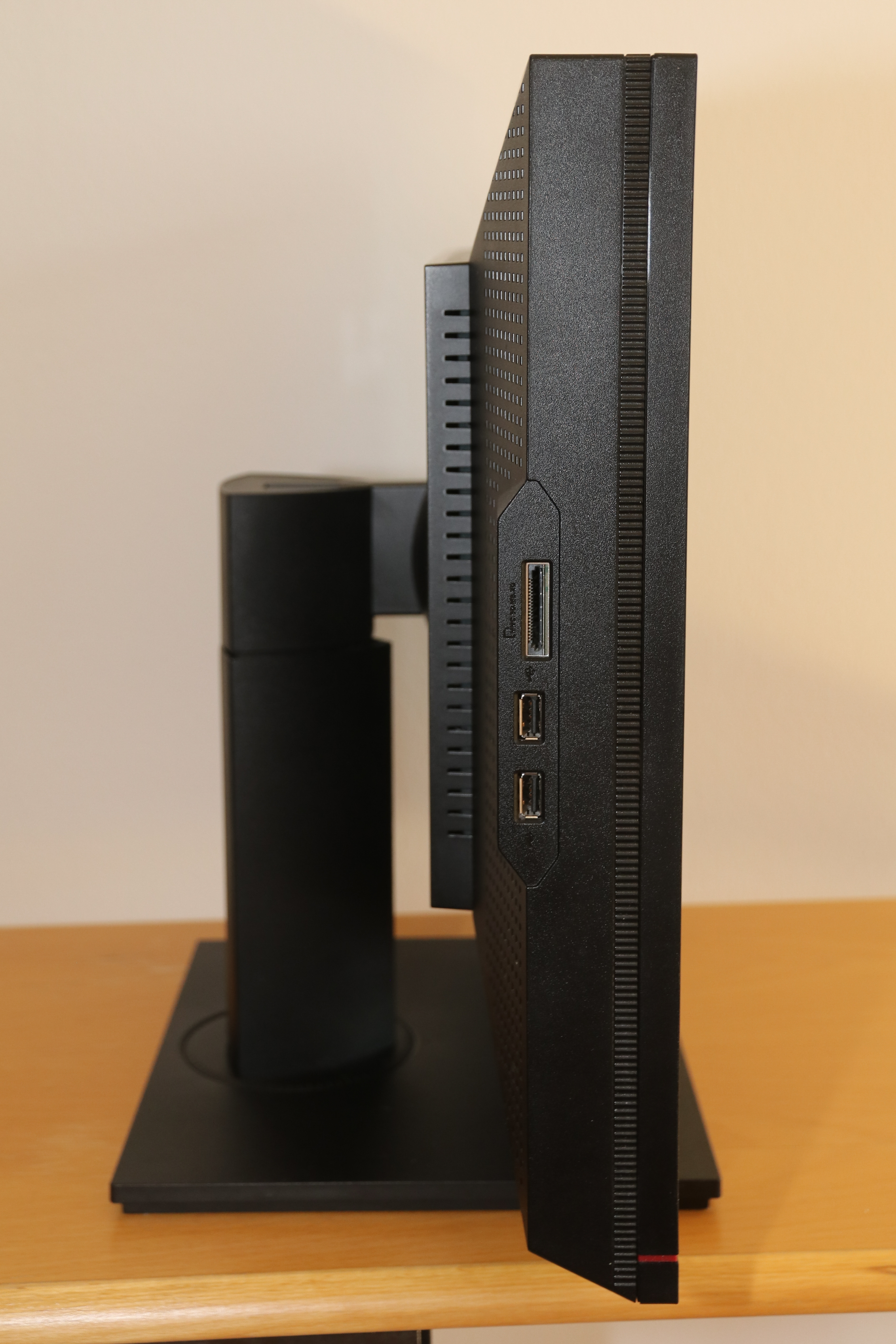
ASUS is dismantling long-held assumptions about what a workstation can be. With the new ProArt RTX Spark series and Zenbook Ultra ultrabook, the company has crafted devices that push the boundaries of performance, portability, and AI integration—without the traditional trade-offs. These machines aren’t just faster; they’re smarter, more adaptable, and designed to evolve alongside the demands of modern creative workflows.
The ProArt RTX Spark workstation series is built around NVIDIA’s RTX Ada Lovelace architecture, a platform engineered for real-time processing where latency isn’t just measured in milliseconds but in fractions thereof. Whether it’s 3D modeling, AI-assisted design iterations, or high-resolution video editing, the system is optimized to deliver immediate feedback—a critical advantage for professionals who can no longer afford to wait for renders or iterations. What sets this series apart isn’t just its raw power, though; it’s how that power is packaged.
The design of the ProArt RTX Spark is a study in modular efficiency. Gone are the days of bulky, desktop-like workstations that require dedicated cooling setups and take up precious desk space. This machine is compact, yet it houses significant internal upgrades, including support for up to 128GB of DDR5 RAM—nearly double what many competing workstations offer—and dual PCIe Gen 4.0 M.2 slots that ensure storage capacity keeps pace with the most demanding workloads. The modularity doesn’t stop at hardware; ASUS has also integrated intelligent thermal management, allowing users to swap components without sacrificing performance—a feature that addresses one of the biggest pain points in high-end computing: rapid hardware obsolescence.
Key Specifications
- Display: 17-inch 4K UHD (3840 x 2160) OLED panel with 95% DCI-P3 color accuracy and 1000 nits brightness, delivering cinematic visuals for creative work.
- Graphics: NVIDIA RTX 5000 Ada Lovelace GPU, equipped with 16GB GDDR6 VRAM and hardware-accelerated ray tracing, optimized for complex rendering tasks.
- CPU: Intel Core Ultra 9 285H processor (16-core, 24-thread) with a base clock of up to 3.7GHz and turbo boost frequencies reaching 5.3GHz, ensuring sustained performance under heavy loads.
- RAM: Up to 128GB DDR5-6000 memory in dual-channel configuration, featuring AI-optimized bandwidth for faster data processing.
- Storage: Dual M.2 slots (PCIe Gen 4.0) supporting up to 4TB per slot, with NVMe SSD compatibility for ultra-fast data access.
- Connectivity: Thunderbolt 4, dual USB-C ports with Power Delivery, Wi-Fi 7, Bluetooth 5.3, and two HDMI 2.1 outputs for multi-monitor setups.
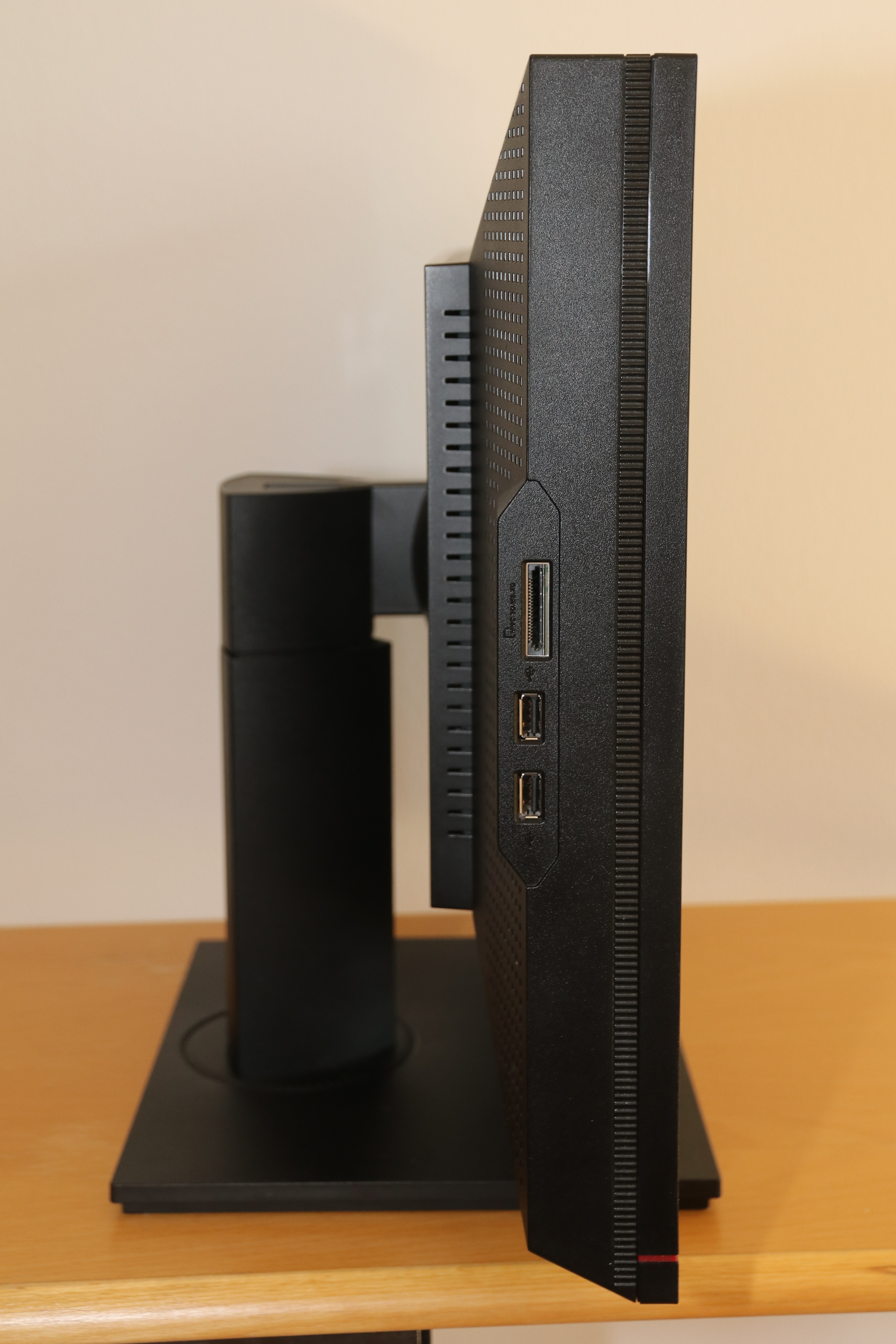
- Ports: 1x Thunderbolt 4, 2x USB-C (with AI-optimized data transfer), 2x HDMI 2.1, 1x 3.5mm audio jack, and a microSD card reader (UHS-II) for additional storage flexibility.
- AI Features: NVIDIA AI Enterprise support, ASUS AI Noise Cancellation for cleaner audio processing, and real-time object detection tools tailored for creative workflows.
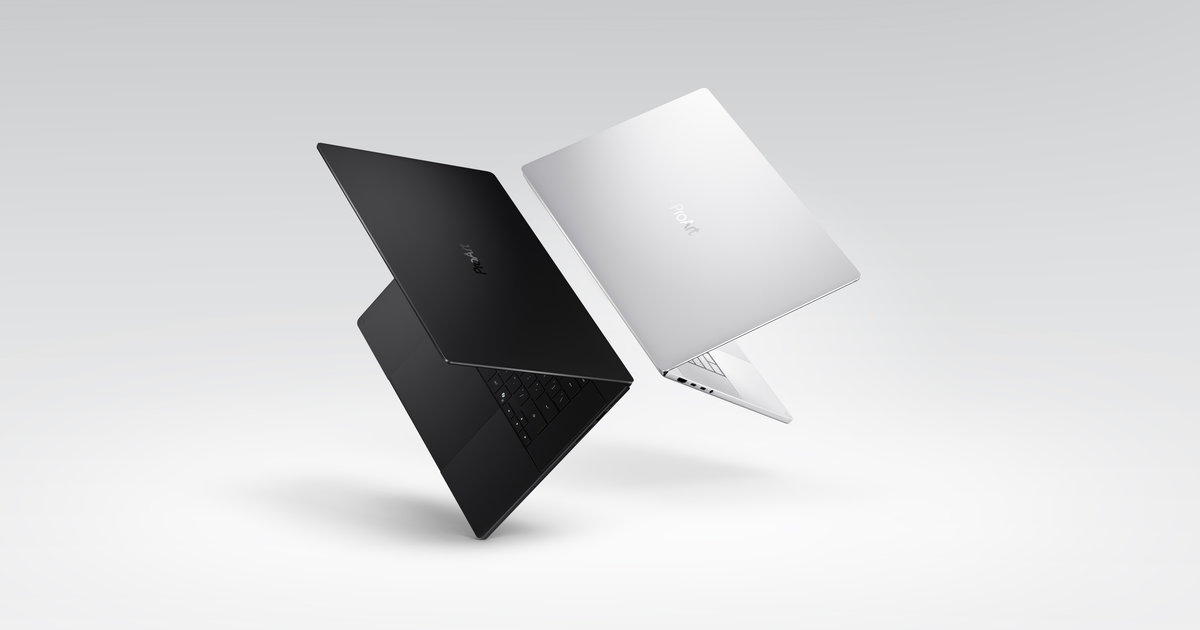
The Zenbook Ultra takes a different path, one that prioritizes portability without sacrificing computational power. It features an 18-inch 4K OLED touchscreen with HDR support, paired with the same Intel Core Ultra 9 CPU but fine-tuned for battery efficiency. Unlike its workstation counterpart, it relies on software-based AI acceleration rather than discrete graphics, yet it claims up to 10 hours of mixed workload performance on a single charge—a benchmark that redefines what’s possible in ultrabooks. The larger touch interface and display make it particularly well-suited for designers, architects, or anyone who benefits from interactive input, while its compact form factor ensures it fits seamlessly into both office and on-the-go workflows.
Design and Thermal Challenges
The ProArt RTX Spark’s compact design is a double-edged sword. On one hand, it eliminates the need for cumbersome cooling systems that have long plagued high-performance devices. On the other, its reliance on external cooling solutions raises questions about sustained performance under prolonged high loads. Thermal throttling has been a persistent issue in high-end computing, and whether ASUS can mitigate this through intelligent fan control or liquid cooling integration will be a defining factor for its real-world usability.
The Zenbook Ultra sidesteps these thermal constraints by focusing on battery life, but it introduces its own set of trade-offs. The absence of a dedicated GPU means it may not fully meet the needs of users who require hardware-accelerated rendering for tasks like 3D animation or CAD modeling. However, ASUS’s emphasis on software-based AI acceleration could redefine expectations for what a portable workstation can achieve without discrete graphics, potentially opening new possibilities for power users who no longer need traditional desktop replacements.
Industry Implications and Unanswered Questions
This lineup signals ASUS’s bold move into the high-end AI workstation market, where the lines between desktops and portable devices are becoming increasingly blurred. The ProArt RTX Spark’s compact form factor challenges the notion that high performance must come with size, while the Zenbook Ultra proves that portability need not mean sacrificing computational power—at least for certain types of workloads.
Yet, several questions remain unanswered. How will ASUS address thermal management in the ProArt RTX Spark without compromising on cooling performance? What long-term software support will be provided for AI frameworks, and how will this lineup compete with more specialized workstations from other manufacturers? Pricing starts at $2,999 for the base model, a figure that reflects its premium positioning but may limit adoption among budget-conscious professionals.
Ultimately, ASUS’s new generation of AI-powered devices reflects a broader industry shift toward hardware that is not just fast, but intelligent. The challenge for power users will be determining whether these advancements justify the cost—or if they represent merely another step in an ongoing evolution of computing. One thing is certain: the line between what a workstation can do and what an ultrabook can achieve is becoming increasingly thin, and ASUS is at the forefront of that transformation.