ASUS’s success isn’t built on simply engineering powerful hardware; it’s fundamentally rooted in a process known as Design Thinking. This methodology represents a profound shift away from traditional product development models, placing the end-user at the very core of every decision made throughout the entire lifecycle – from initial concept to final delivery and ongoing support.
The Genesis of ASUS Design Thinking
The roots of ASUS Design Thinking can be traced back over a decade, evolving organically within the company. It wasn’t imposed from the top down but rather emerged as a natural consequence of ASUS's commitment to understanding its customer base intimately. Initially focused on improving the user experience with laptops and peripherals, the principles have since expanded across gaming desktops, mobile devices, networking equipment, and even smart home solutions.
Core Principles: More Than Just Aesthetics
Design Thinking at ASUS isn't solely about creating visually appealing products. While aesthetics certainly play a role, it’s underpinned by several key principles
- Empathy: This is arguably the most crucial element. ASUS teams dedicate significant time to truly understanding user workflows, pain points, and aspirations. This involves direct observation of users in their natural environments, extensive user research, and gathering feedback through various channels.
- Define: Once a deep understanding of the problem space is established, Design Thinking requires clearly defining the specific challenge that needs to be addressed. This isn’t simply stating what a product *should* do; it’s articulating precisely what users are struggling with.
- Ideate: With a clear definition in place, teams engage in brainstorming sessions – often employing diverse methodologies – to generate a wide range of potential solutions. Quantity over quality is initially encouraged, fostering creative exploration and pushing beyond conventional thinking.
- Prototype: Ideas are then rapidly translated into tangible prototypes, ranging from low-fidelity mockups to functional models. These prototypes allow for immediate testing and iteration, identifying what works and what doesn't in a cost-effective manner.
- Test: Prototypes are rigorously tested with representative users, gathering valuable feedback that informs further refinements. This iterative process – prototype, test, refine – continues until a solution achieves the desired level of user satisfaction and effectiveness.
Impact Across ASUS Product Lines
The influence of Design Thinking is evident across numerous ASUS product lines, consistently driving improvements in functionality, usability, and overall user experience
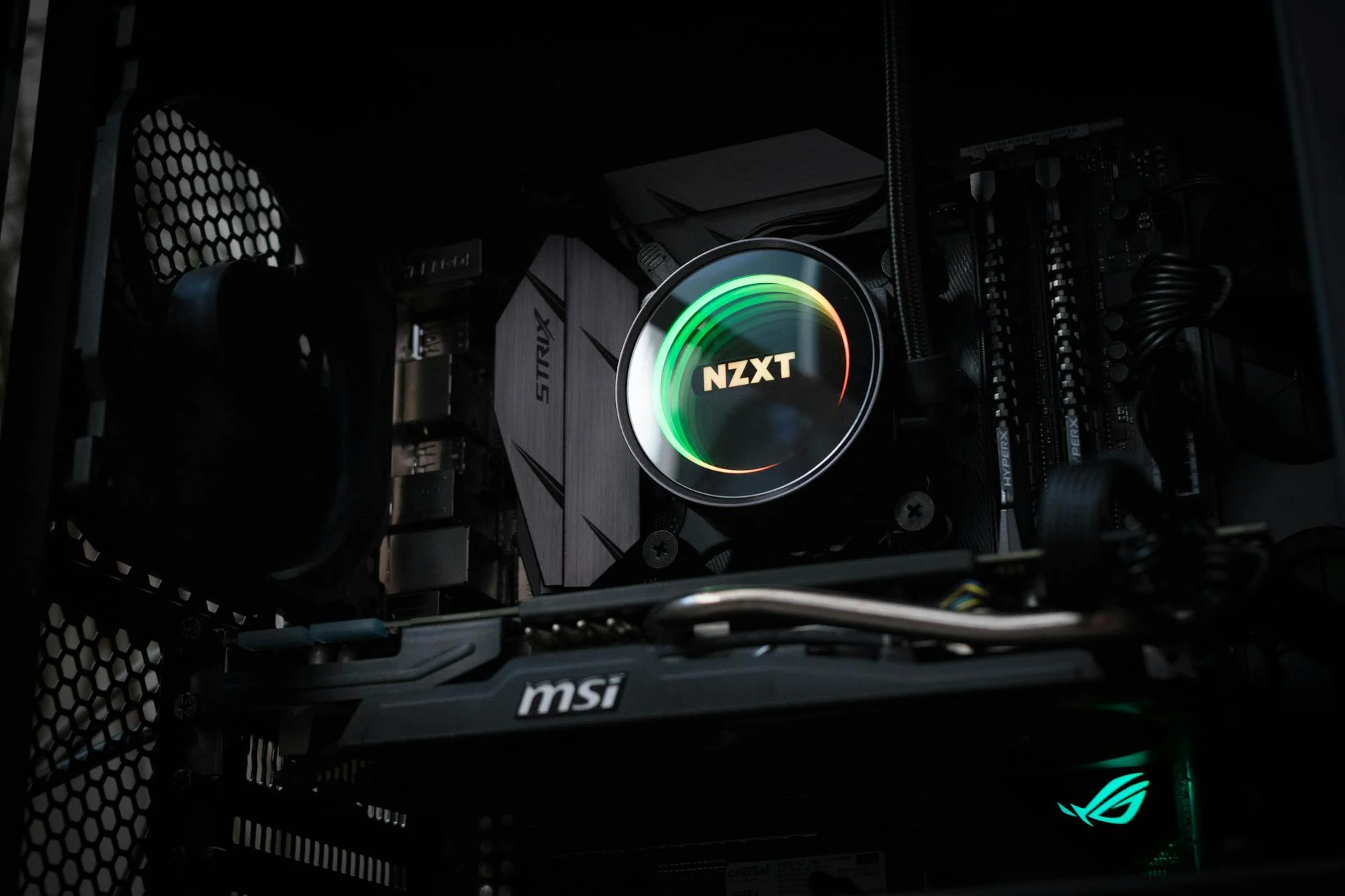
- Gaming PCs: ASUS’s ROG (Republic of Gamers) desktops are a prime example. The design process incorporates extensive feedback from competitive gamers to optimize performance, ergonomics, and cooling solutions – features that directly address the needs of serious players.
- Laptops: From the sleek designs of Zenbook laptops to the robust construction of Vivobook models, ASUS consistently leverages Design Thinking to create devices that are both powerful and comfortable to use throughout the day. Features like improved keyboard travel, optimized chassis weight distribution, and intuitive trackpad controls are all a result of this approach.
- Mobile Devices: ASUS’s smartphone lineup benefits from a deep understanding of mobile usage patterns, leading to innovations in camera technology, battery optimization, and user interface design that prioritize ease of use and productivity.
- Peripherals: The company's range of peripherals – including gaming mice, keyboards, and headsets – are meticulously crafted with ergonomics and performance in mind, reflecting a commitment to delivering superior comfort and control.
Beyond Product Development: Cultivating an Innovation Culture
The impact of Design Thinking extends beyond individual product development cycles. It has fundamentally shaped ASUS’s corporate culture, fostering a collaborative environment where innovation is encouraged at all levels. Teams are empowered to challenge assumptions, experiment with new ideas, and prioritize user needs above all else.
Collaboration & User Feedback Loops
ASUS actively cultivates strong relationships with its user community through various channels – online forums, social media groups, and dedicated support networks. This constant flow of feedback informs ongoing product development efforts and ensures that ASUS remains attuned to evolving user expectations.
Looking Ahead: Continued Evolution
ASUS Design Thinking is not a static methodology; it’s continuously evolving alongside technological advancements and changing user needs. The company remains committed to investing in research, exploring new methodologies, and fostering a culture of innovation that will continue to drive the creation of exceptional technology solutions for years to come. The ongoing commitment to understanding its users ensures ASUS remains at the forefront of delivering truly impactful products.
To stay informed about ASUS's latest advancements and innovations, to the ASUS Pressroom.