ASUS has introduced a sovereign AI framework designed specifically for smart cities, eliminating the need for external cloud dependencies while maintaining high performance at both data center and street-level operations.
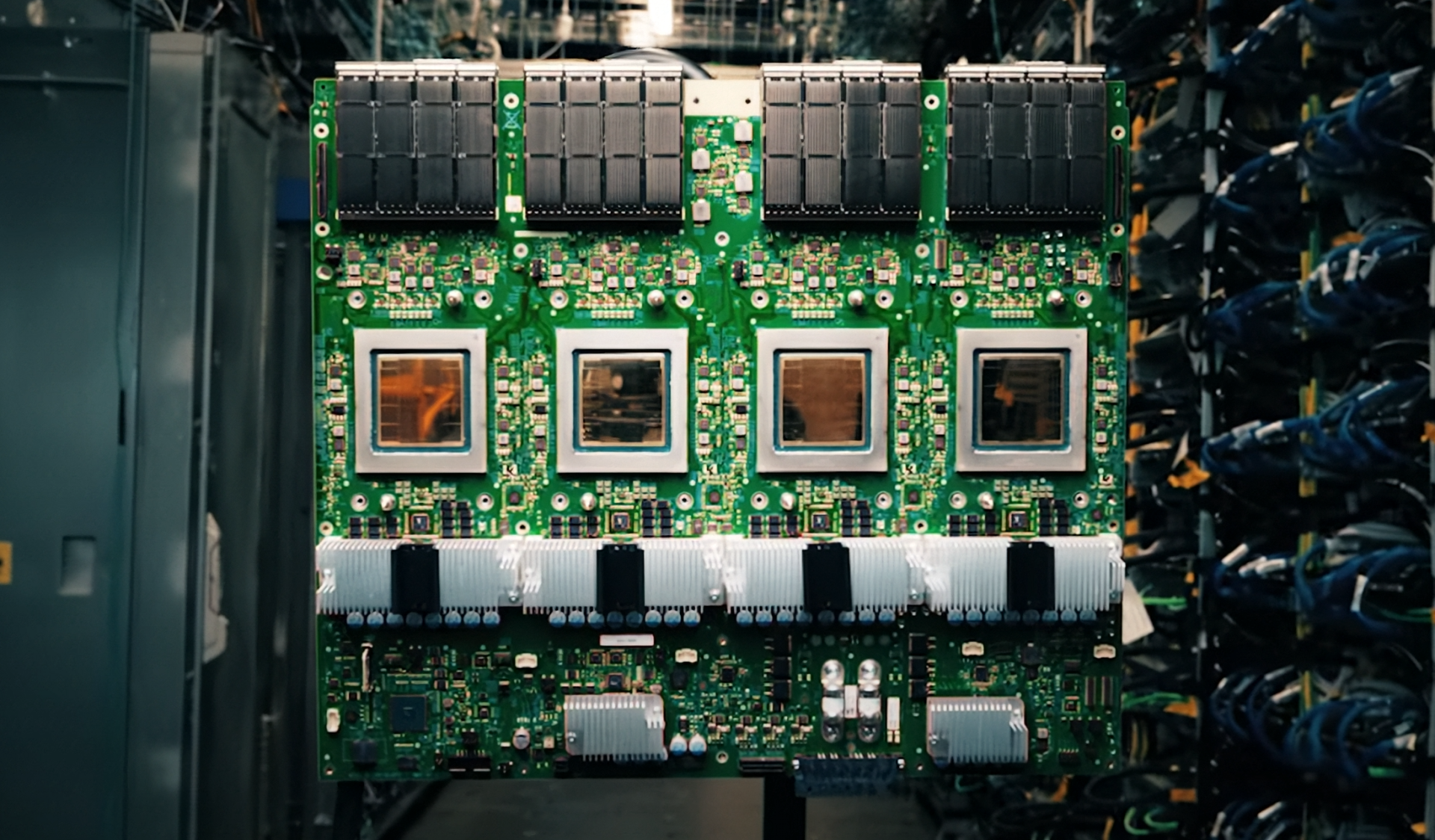
The architecture centers on a combination of edge computing, high-density storage solutions, and custom silicon to process and analyze urban data locally. This approach aims to address latency concerns that often plague cloud-based AI deployments in city environments.
Key components include ASUS's own 2000W PSU, which supports dual 16-pin CPU power connectors for high-performance workloads, and a range of storage options up to 8 TB. The system is built around an Intel Xeon W-3400 series processor with a base clock of 2.6 GHz and a maximum turbo frequency of 5.0 GHz, ensuring robust processing capabilities.

- Dual 16-pin CPU power connectors for high-performance workloads
- Up to 8 TB of storage capacity
- Intel Xeon W-3400 series processor with base clock at 2.6 GHz and max turbo frequency of 5.0 GHz
The framework is positioned as a solution for creators and urban planners who require efficient, low-latency AI processing without relying on external cloud services. By keeping data processing localized, the system promises to enhance privacy and reduce dependency on global infrastructure.
That’s the upside—here’s the catch. While the architecture offers strong performance metrics, its real-world impact will depend on how widely it can be adopted across different city infrastructures. The use of custom silicon and specialized hardware may also limit flexibility compared to more standardized cloud-based solutions.
The framework is expected to benefit urban planners and data-driven creators who prioritize efficiency and localized control over their AI workloads. With the ability to handle high-density storage and complex processing tasks, it positions itself as a viable alternative for cities looking to build or expand their smart city initiatives without compromising on performance.