Cthulhu: The Cosmic Abyss is not just another first-person shooter. It demands significant processing power, pushing GPUs and CPUs to their limits in ways that few games do. For players aiming for high frame rates or maximum settings, the game's intricate visuals and complex AI create a workload that requires careful hardware selection and optimization.
- GPU demand: Requires mid-range to high-end graphics cards for smooth performance at 1080p and above.
- CPU load: Heavy single-threaded workloads, especially during AI sequences.
- Memory usage: Up to 24 GB of RAM recommended for optimal stability and performance.
- Storage needs: Fast SSDs (NVMe) are advised for level streaming and asset loading times.
- Thermal constraints: High sustained loads can push cooling systems to their limits, especially in compact builds.
The game's developers have designed it with a focus on realism, which translates into dense environments filled with dynamic elements. This means that even mid-range hardware will struggle to maintain high frame rates without careful tweaking. Players using GPUs like the NVIDIA RTX 4080 or AMD Radeon RX 7900 XTX can expect strong performance, but those on older or lower-end cards may need to scale back settings or target lower resolutions.
One of the most notable aspects of Cthulhu: The Cosmic Abyss is its AI behavior. Unlike traditional enemy patterns, the game's AI reacts dynamically to player actions, creating unpredictable scenarios that demand significant CPU resources. This can lead to noticeable stuttering if the system isn't properly balanced. For example, a high-end Intel Core i9-14900K or AMD Ryzen 9 7950X will handle these workloads more smoothly than lower-tier processors, but even then, users may need to adjust in-game settings to mitigate performance dips.

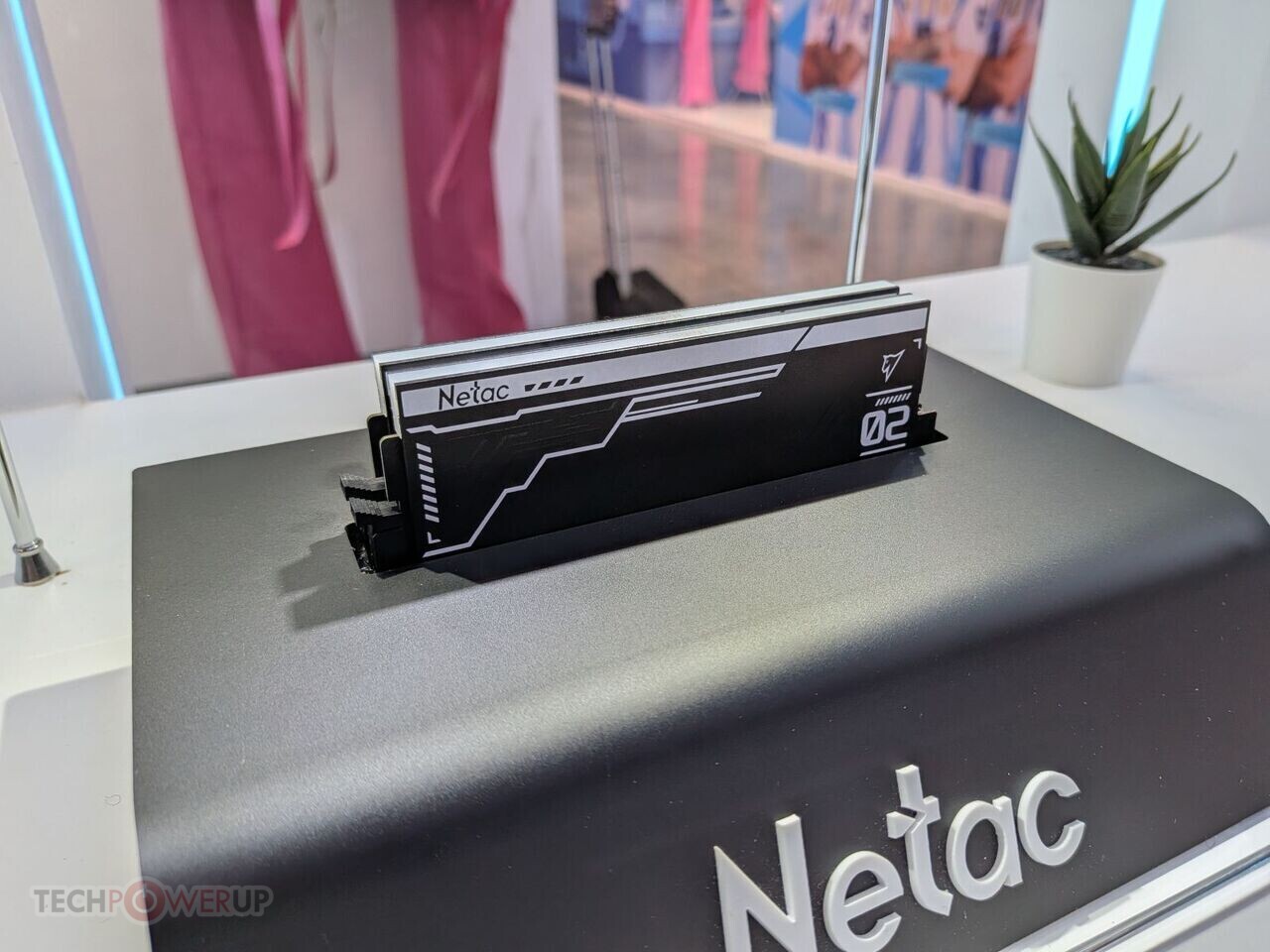
Memory also plays a crucial role. The game's open-world elements and asset-heavy design mean that RAM usage can spike, especially during transitions between areas. While 16 GB of DDR4 or DDR5 memory may suffice for basic playthroughs, users aiming for maximum stability should opt for at least 24 GB. Additionally, fast NVMe SSDs are highly recommended to reduce load times and improve overall responsiveness.
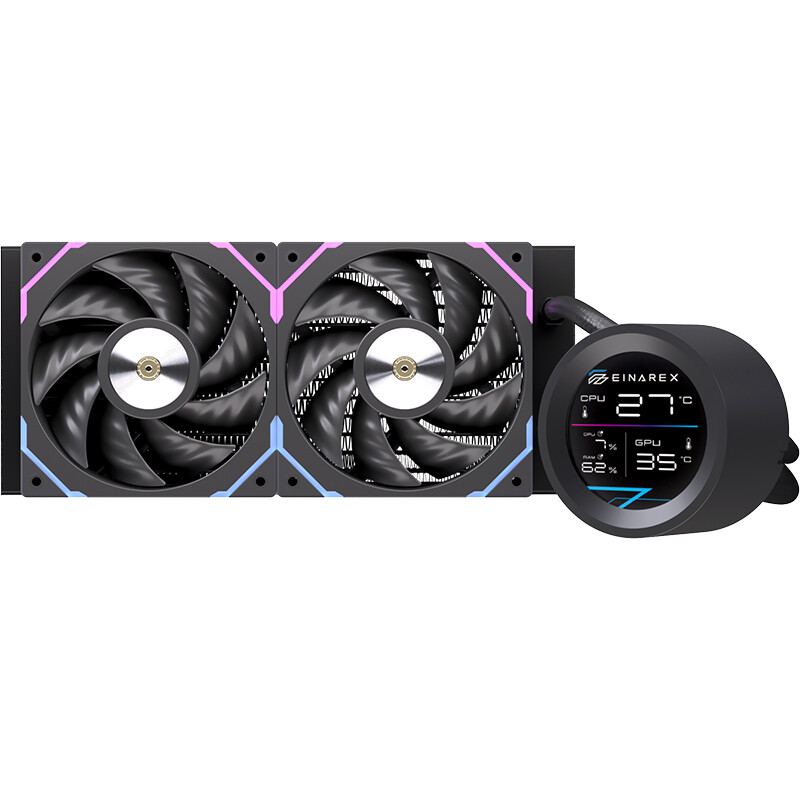
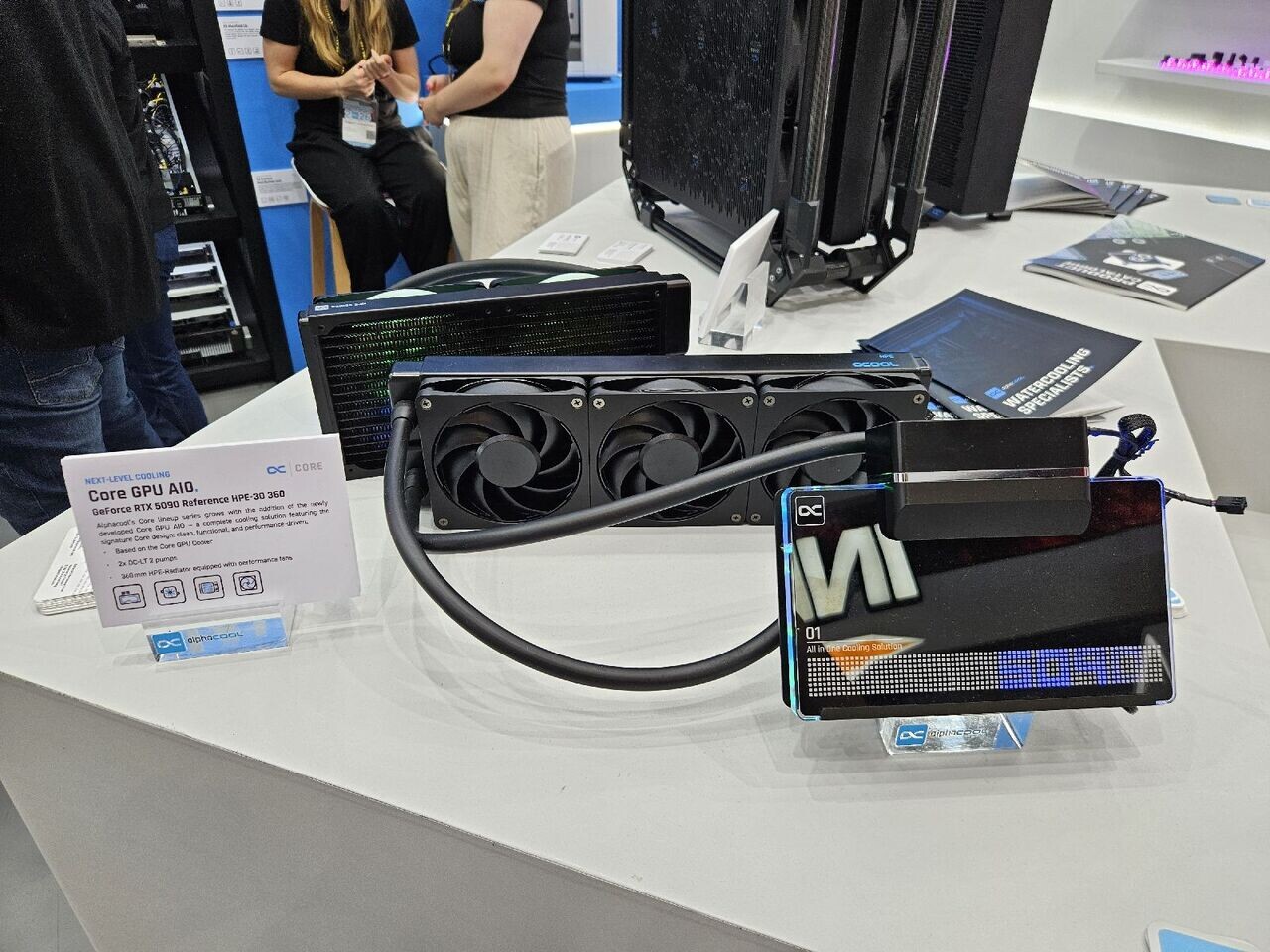
Thermal management is another consideration. The game's sustained high workloads can cause temperatures to climb, particularly in systems with limited airflow or inadequate cooling solutions. Players building or upgrading their setups should prioritize efficient air or liquid cooling to prevent thermal throttling, which can further degrade performance.
For those looking to future-proof their rigs, Cthulhu: The Cosmic Abyss offers a glimpse of what's to come in next-gen titles. While it doesn't require cutting-edge hardware to run, the game's demanding workloads suggest that similar titles will continue to push the boundaries of current-generation PCs. Users who invest in high-end components now may find their systems better equipped to handle future challenges without needing immediate upgrades.
What remains unclear is how the game will perform on upcoming architectures, such as Intel's Meteor Lake or AMD's RDNA 4 GPUs. While benchmarks for these platforms aren't yet available, early indications suggest that they may offer significant improvements in efficiency and raw performance. Until then, players should focus on balancing their current hardware to get the most out of Cthulhu: The Cosmic Abyss while keeping an eye on future advancements.