What are gnomes in Baldur’s Gate 3?
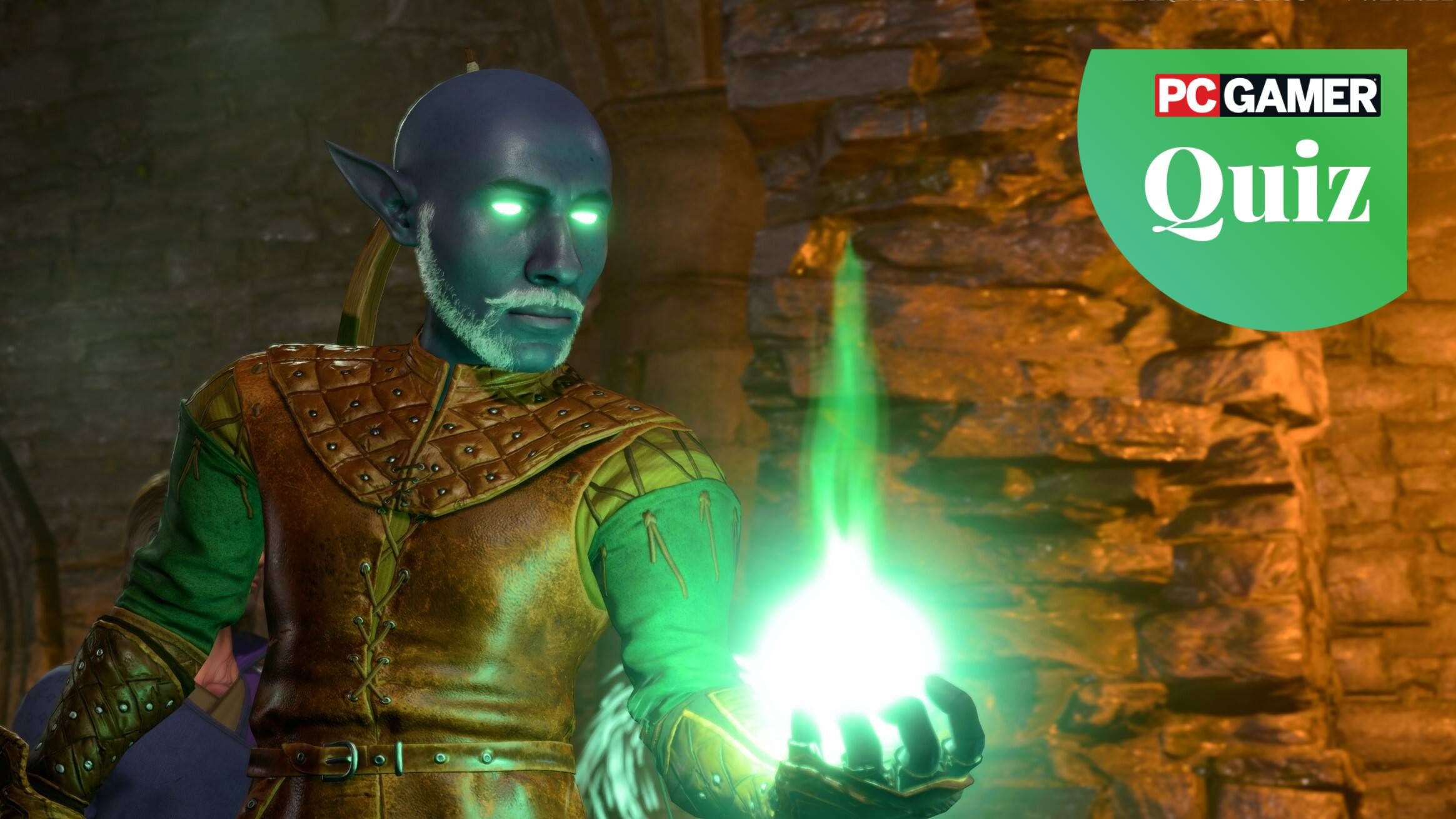
Gnomes in this game aren’t just whimsical fantasy sidekicks—they’re a distinct race with their own culture, magic, and even political intrigue. Unlike the more common dwarves or elves, gnomes thrive in the shadows of Larian’s world, often overlooked despite their pivotal roles. Think of them as the game’s unsung heroes, blending humor with depth in ways few NPCs manage.
Why do they feel overlooked?
Gnomes lack the grandeur of a paladin or the menace of a tiefling, but their understated presence is deliberate. They’re scattered across Baldur’s Gate 3—not as main quest characters, but as merchants, informants, and even antagonists. Their dialogue crackles with wit, and their abilities, like gnome magic or illusion spells, are often underutilized by players who focus on heavier classes. Yet, their stories—like the tragic backstory of Grim or the cunning of Tazul—add layers to the game’s lore.
Who are the key gnomes to know?
- Tazul: The scheming merchant of Candlekeep who trades in more than just goods—he’s a master of deception, offering players a glimpse into the darker side of commerce.
- Grim: A grizzled veteran with a haunted past, tied to the game’s central conflict. His presence in Gundar’s camp isn’t just for flavor; it’s a narrative thread waiting to be explored.
- Pip: The cheerful, if slightly naive, guide who accompanies the party early on. Her optimism masks a deeper understanding of the world, hinting at a more complex role than meets the eye.
- Marn: A reclusive scholar with a sharp tongue, offering cryptic advice and rare knowledge—if players know where to look.
How do they impact gameplay?
Gnomes aren’t just NPCs to ignore; they’re tools for progression. Their illusion magic can trick enemies, their crafting skills unlock unique items, and their questlines often lead to hidden rewards. For example, helping Grim in his quest could unlock a powerful artifact, while Tazul’s deals might reveal shortcuts or secrets. Players who engage with them find the game’s world feels more alive—and their choices matter more.
What secrets do they hold?
Gnomes are gatekeepers to Baldur’s Gate 3’s hidden layers. Consider the gnome ruins near Gundar’s, where ancient magic hums with forgotten power. Or the gnome-led rebellion in Redbrand, a plotline that unfolds if players pay attention. Even their slang and customs—like the phrase —hint at a culture rich with history. Ignoring them means missing out on some of the game’s most rewarding mysteries.
How can players learn more?
Start by talking to every gnome you encounter. Their dialogue isn’t just filler—it’s layered with clues. Visit the Gnome District in Redbrand, a hub of intrigue where rumors swirl. And always check their inventories; gnomes often sell items that aren’t listed in standard merchants, like gnome-crafted potions or arcane trinkets. Even their death scenes can reveal lore if players take the time to read them.
Why should players care?
Because Baldur’s Gate 3 thrives on player agency, and gnomes embody that freedom. They’re proof that the game’s world isn’t just about combat or cutscenes—it’s about the choices that make the journey memorable. Engaging with them turns a playthrough from a story into an experience. And in a game where every NPC could be a potential ally, antagonist, or key to an unsolved mystery, overlooking gnomes would be a mistake.
What’s next for gnomes in the game?
With DLC and updates on the horizon, gnomes are likely to take center stage. Expect deeper questlines, new characters, and perhaps even a gnome-led faction to join the party. For now, they remain one of the game’s best-kept secrets—but their time is coming. Players who embrace them now will be rewarded when the game’s full potential unfolds.