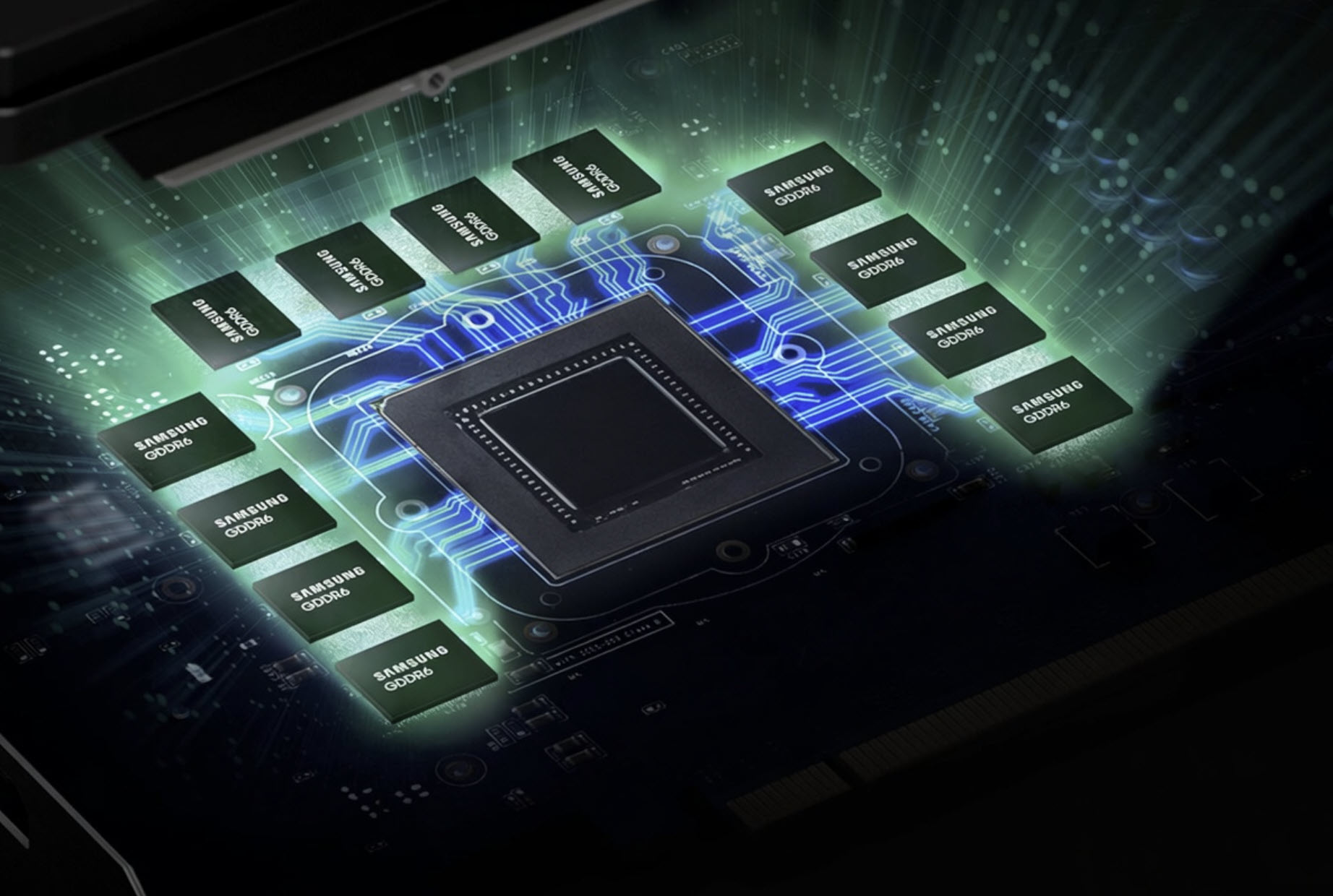
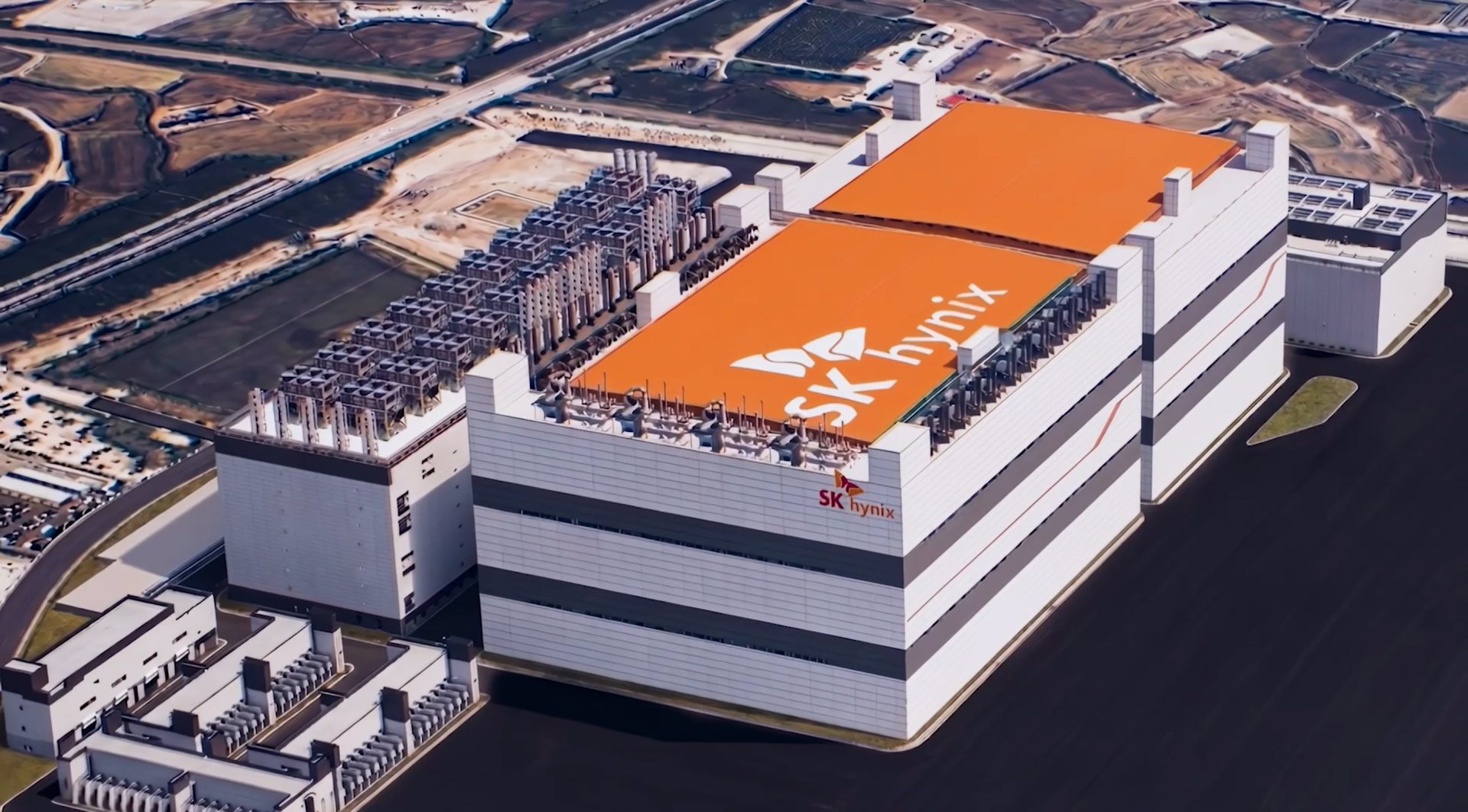
Semiconductor shortages are nothing new, but the demand for high-bandwidth memory (HBM) has reached a breaking point. AI accelerators, data center CPUs, and next-gen GPUs all crave HBM’s fast, stacked architecture—but supply is struggling to keep pace. Now, one manufacturer is doubling down with a radical solution: a 32-acre factory built from the ground up for HBM production alone.
The facility, codenamed P&T7, will be the largest of its kind when it opens in 2028. It’s designed to produce 1,000 wafers per week—enough to meet a significant portion of the market’s needs if everything goes as planned. But with AI chip demand growing at breakneck speed, even this capacity may not be enough.
At its core, P&T7 is a response to a well-documented problem: HBM is in short supply because it’s expensive and complex to manufacture. Traditional DRAM foundries can’t pivot quickly enough, so manufacturers are turning to dedicated lines like this one. The tradeoff? Higher prices for end products, at least in the near term.
Inside P&T7, production will focus on 12-layer HBM stacks—each wafer capable of delivering up to 48 gigabits per die. That’s double the density of current offerings and a critical step toward enabling AI chips with larger memory footprints. The facility will use advanced packaging techniques, including fan-out wafer-level packaging (FOWLP), to improve yield and reduce defects—a common issue in HBM manufacturing.
But building a factory this large isn’t just about capacity; it’s also about locking in long-term supply for AI platforms. Competitors like NVIDIA and AMD have been vocal about their reliance on stable HBM pipelines, and P&T7 could become the go-to source for high-volume orders. The risk? If demand outpaces production, prices will stay elevated, and platform lock-in becomes even more pronounced.
The timing is also a question mark. While 2028 is the target, semiconductor ramping cycles are notorious for delays—especially when new processes or packaging techniques are involved. If P&T7 falls behind schedule, the HBM shortage could worsen before it improves.
For now, the key takeaway is clear: a dedicated HBM factory is coming, but its impact will depend on two factors. First, whether it can ramp without major hiccups. Second, whether the market can absorb this much capacity before prices stabilize. Until then, AI and data center designers will continue to navigate a tight supply landscape.