Bethesda Game Studios’ Fallout 76 has evolved from a troubled launch to a resilient live-service title, and its creator, Todd Howard, now calls it the studio’s most rewarding project. The game’s journey—marked by early criticism, aggressive post-launch improvements, and a dedicated community—has set a rare benchmark in an industry where multiplayer games often fade quickly.
Speaking recently about the game’s development and future, Howard highlighted the unique hurdles of delivering a multiplayer Fallout* experience. Unlike its single-player predecessors, Fallout 76 required ongoing support to address technical and design flaws, including optimization issues and the deliberate absence of human NPCs at launch. These challenges were compounded by the need to rebuild player trust through iterative updates, such as the introduction of human NPCs in Wastelanders (April 2020) and the synergy with Fallout’s cultural resurgence via Amazon Prime’s TV adaptation.
The game’s ability to sustain relevance—despite industry trends favoring short-lived live-service titles—stems from its adaptive roadmap and the energy of its community. Howard emphasized the team’s commitment to continuous improvement, with Backwoods, a major update arriving March 3, 2026, adding a new cryptid (Bigfoot), refreshed events, and Season 24 of its live-service model. This update underscores Bethesda’s shift from reactive fixes to proactive content expansion, a strategy that has kept Fallout 76 among the few multiplayer games still thriving years after launch.
Why Fallout 76 Stands Out
The game’s longevity can be attributed to three key factors
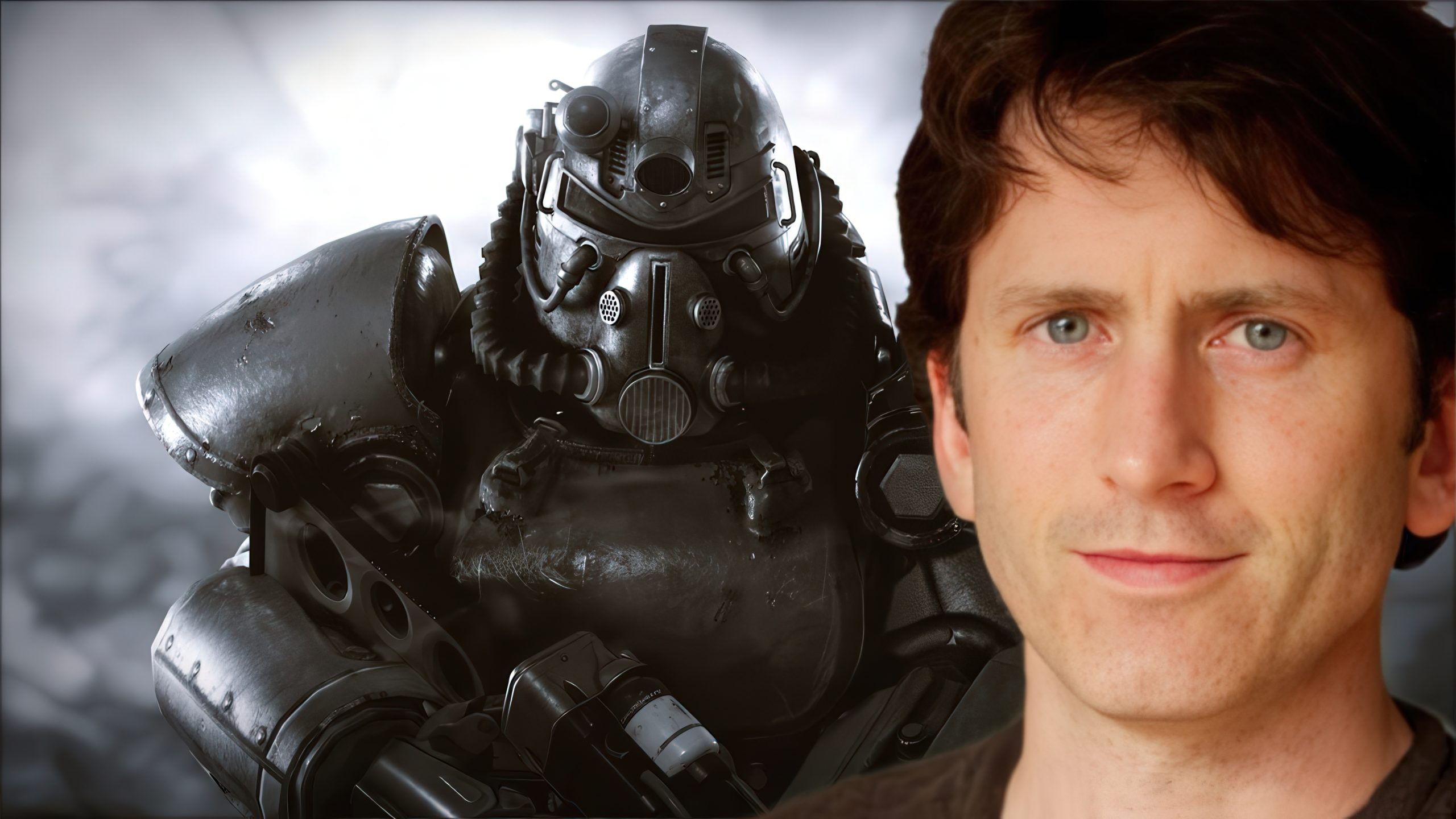
- Community-Driven Recovery: Early feedback—including criticism over missing NPCs and performance—pushed Bethesda to prioritize player needs. The return of dynamic NPCs and regular content drops (like Wastelanders and Steaming Into Spring) rebuilt confidence in the title’s direction.
- Live-Service Adaptability: Unlike traditional Fallout games, Fallout 76 benefits from real-time updates, seasonal events, and cross-promotional moments (e.g., the TV show’s influence). This flexibility allows Bethesda to test new mechanics without waiting for a full sequel.
- Technical Refinement: Post-launch patches addressed optimization, server stability, and quality-of-life features. The game’s foundation—though flawed at release—proved resilient enough to support long-term improvements.
Howard’s pride in Fallout 76 reflects its status as an outlier in live-service gaming. Most titles struggle to maintain engagement beyond their first year, yet Fallout 76 has not only survived but thrived, thanks to a roadmap that balances nostalgia with innovation. The upcoming Backwoods update, with its cryptid addition and seasonal refresh, signals Bethesda’s intent to keep the game’s world evolving—proving that even a troubled launch can become a blueprint for success.
What’s Next for Fallout 76
While Backwoods marks the next major milestone, the game’s future hinges on two pillars: community engagement and technical scalability. Howard’s mention of a ‘vibrant’ player base suggests that Bethesda is doubling down on live-service elements, potentially including
- Expanded cryptid lore and encounters, building on the game’s post-apocalyptic mythology.
- Deeper integration with Fallout’s broader universe, possibly tying into the TV show or future Bethesda projects.
- Performance optimizations to support higher player counts and smoother experiences.
The game’s ability to leverage its community—something Howard described as a ‘touchpoint’ absent in single-player titles—will be critical. Unlike traditional Fallout experiences, where player interaction ends at the credits, Fallout 76 thrives on shared exploration, events, and emergent gameplay. This dynamic makes it a rare case study in how live-service titles can cultivate loyalty without compromising their core identity.
For developers watching Fallout 76*’s trajectory, the takeaway is clear: even a flawed launch can become a success story with relentless iteration, community trust, and a willingness to embrace the challenges of long-term maintenance. As Howard noted, few games have matched its endurance—and fewer still have turned their struggles into a model for others to follow.