For years, Arm-based Windows laptops have struggled with one glaring weakness: gaming. Qualcomm’s Snapdragon chips, while efficient, lack the raw power to run demanding titles smoothly. Now, Nvidia is poised to change that—with a twist. The company’s upcoming Arm-based processors, co-developed with MediaTek, are expected to debut in Dell and Lenovo laptops as early as the first half of 2026. If successful, these chips could finally bridge the performance gap between x86 and Arm platforms, but only if manufacturers can overcome a persistent obstacle: memory and storage shortages.
The stakes are high. Nvidia’s foray into Arm isn’t just about efficiency—it’s about reclaiming its dominance in gaming, a market it once owned with GeForce GPUs. The company has already signaled its intent with the DGX Spark, an industrial mini PC powered by its own Arm architecture. Now, consumer laptops could follow, with leaks suggesting Lenovo’s Legion gaming line may adopt Nvidia’s chips. Dell, too, is likely to join the push, though neither company has confirmed specifics.
But here’s the catch: even if the chips arrive on schedule, their performance hinges on one critical factor—access to sufficient RAM and storage. Current supply constraints have left PC makers scrambling, and Valve’s recent struggles with its Steam Frame hardware underscore the challenge. A gaming laptop with a high-end Nvidia Arm chip but limited memory or slow storage could still feel sluggish, undermining the entire proposition.
The Specs That Could Change the Game
While exact details remain under wraps, industry sources suggest these new Nvidia Arm chips will prioritize two things: integrated graphics performance and power efficiency. Unlike Snapdragon’s reliance on external GPUs for heavy workloads, Nvidia’s design is expected to handle gaming workloads more natively—potentially rivaling entry-level discrete GPUs in some scenarios. However, the real test will be how well these chips pair with modern RAM and storage configurations.
- Fabrication Partner: MediaTek (co-development with Nvidia)
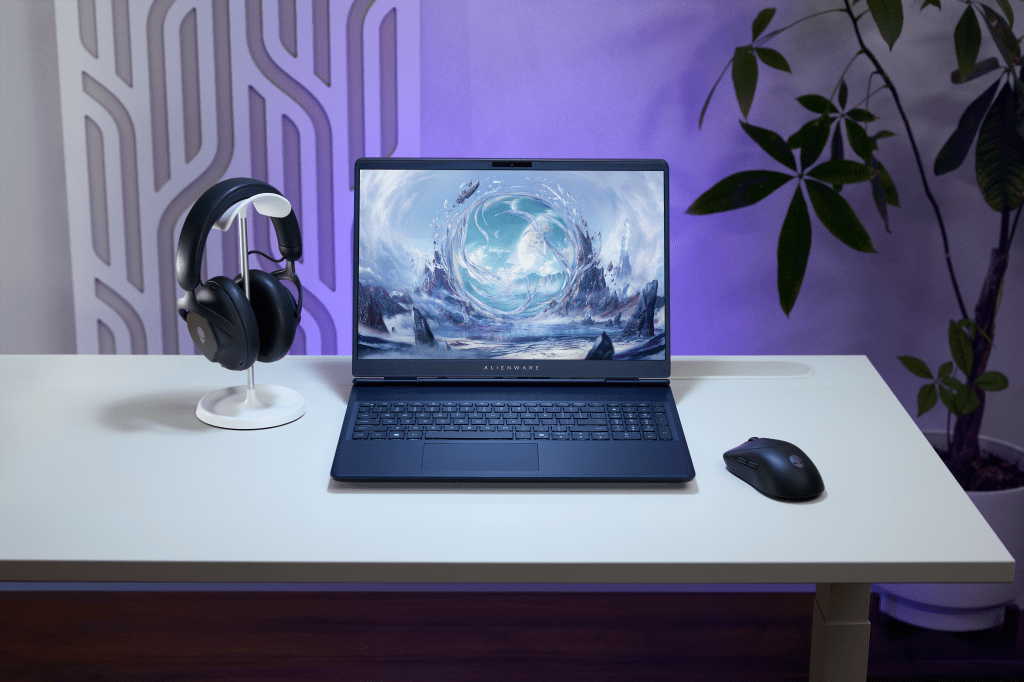
- Target Platform: Windows Arm laptops (Dell, Lenovo)
- Expected Release: First half of 2026 (subject to delays)
- Key Focus: Gaming performance on integrated graphics
- Supply Chain Risk: RAM and storage availability
What This Means for Gamers and Buyers
If these chips deliver on their promise, they could redefine what Arm-based Windows laptops are capable of. No longer would gamers be limited to low-end titles or external GPUs—Nvidia’s architecture may finally unlock smooth 1080p gaming on battery-powered devices. For manufacturers like Dell and Lenovo, this represents a chance to compete with traditional x86 gaming laptops while offering better efficiency. But the catch? The market is still grappling with memory and storage shortages, and a high-performance Arm chip won’t matter if the rest of the system can’t keep up.
Early adopters may face tradeoffs: laptops with cutting-edge CPUs but limited RAM or slow SSDs could struggle with multitasking or modern games. Meanwhile, mainstream buyers might see little reason to switch from proven x86 platforms unless Nvidia’s chips prove significantly more efficient—and that’s a big ‘if.’
Where Does This Leave the Industry?
The timeline for these laptops remains fluid. While a formal launch at Computex in June is plausible, supply chain issues could push back the rollout. For now, the focus should be on two questions: Can Nvidia’s Arm chips truly deliver gaming performance on par with x86? And will manufacturers be able to secure the necessary components to make these laptops viable? The answers will determine whether this is a breakthrough or just another false start in the long-running Arm vs. x86 debate.