The shift toward AI-native operations in enterprise networks has arrived, and Broadcom is rolling out the first end-to-end Wi-Fi 8 solution designed to handle the demands of next-generation connectivity. By integrating a custom accelerated processing unit (APU), high-speed Ethernet switching, and advanced security features into a single architecture, the company aims to redefine how businesses deploy wireless and wired infrastructure.
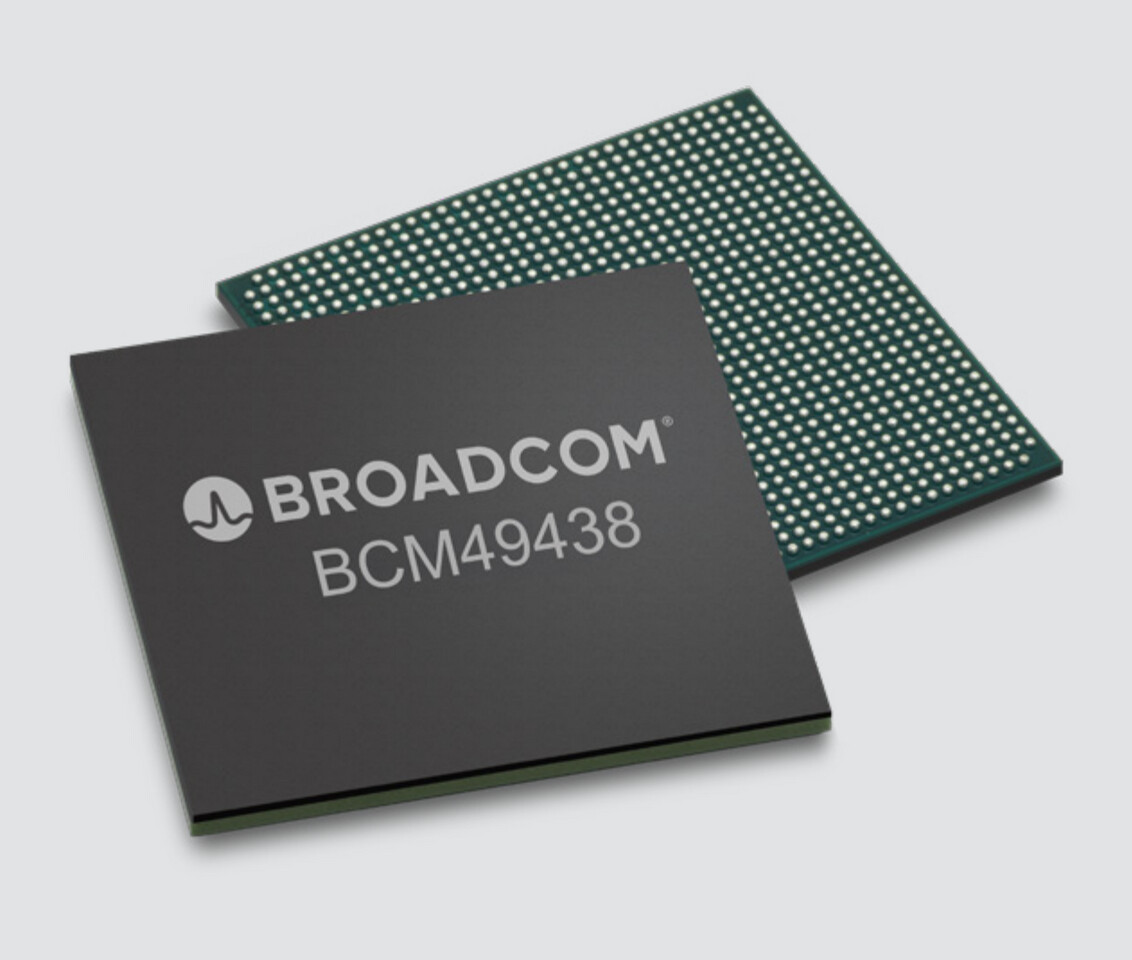
At the core of the platform is the BCM49438 APU, a chip that merges AI acceleration, networking, and wireless processing into one silicon solution. Paired with Broadcom’s latest Wi-Fi 8 radios—the BCM43840, BCM43844, and BCM43820—enterprise OEMs can now build access points capable of real-time AI optimization across all frequency bands. This marks a departure from traditional designs, where AI workloads required separate NPUs or coprocessors, adding cost and complexity.
The switch platform, Trident X3+, doubles front-panel bandwidth to support high-density Wi-Fi 8 deployments while introducing MACsec encryption across all ports—a first for enterprise switches. It also includes a Secure Boot engine with Hardware Root-of-Trust to ensure end-to-end security. Multi-gigabit PHY chips and PoE power sourcing equipment complete the solution, enabling seamless connectivity for AI-driven applications.
- A unified architecture combining Wi-Fi 8 access points and Trident X3+ switches for AI-ready enterprise networks.
- The BCM49438 APU integrates AI acceleration, networking, and wireless processing in a single chip.
- Trident X3+ switch supports up to 48 multi-gigabit ports with PQC-compliant MACsec encryption.
- Advanced telemetry and analytics engines enable AI-powered network operations (AIOps).
- Wireless Time-Sensitive Networking (wTSN) ensures ultra-low latency for industrial and AI applications.
- Sampling is underway; pricing available through Broadcom sales representatives.
The demand for Wi-Fi 8 stems from the rise of hybrid work, AI-driven factories, and adversarial threats requiring robust defenses. Broadcom’s solution addresses these challenges with three key innovations: comprehensive security through MACsec, deep analytics across wired and wireless infrastructure, and integrated edge AI—eliminating the need for external acceleration hardware.
Industry partners, including Arista Networks, Extreme Networks, HPE, and Netgear Enterprise, are already integrating the platform into their next-generation offerings. Arista’s Kumar Srikantan highlighted the importance of native encryption and high-bandwidth interfaces, while Extreme Networks’ Dan DeBacker emphasized AI-driven networking at the edge. HPE and Netgear Enterprise echoed the benefits of lower operational costs and enhanced reliability, positioning Broadcom’s solution as a foundation for AI-native operations.
With sampling underway, enterprises can expect a new wave of AI-optimized networking solutions—one that bridges the gap between wireless and wired infrastructure while preparing for the demands of tomorrow’s connected environments.