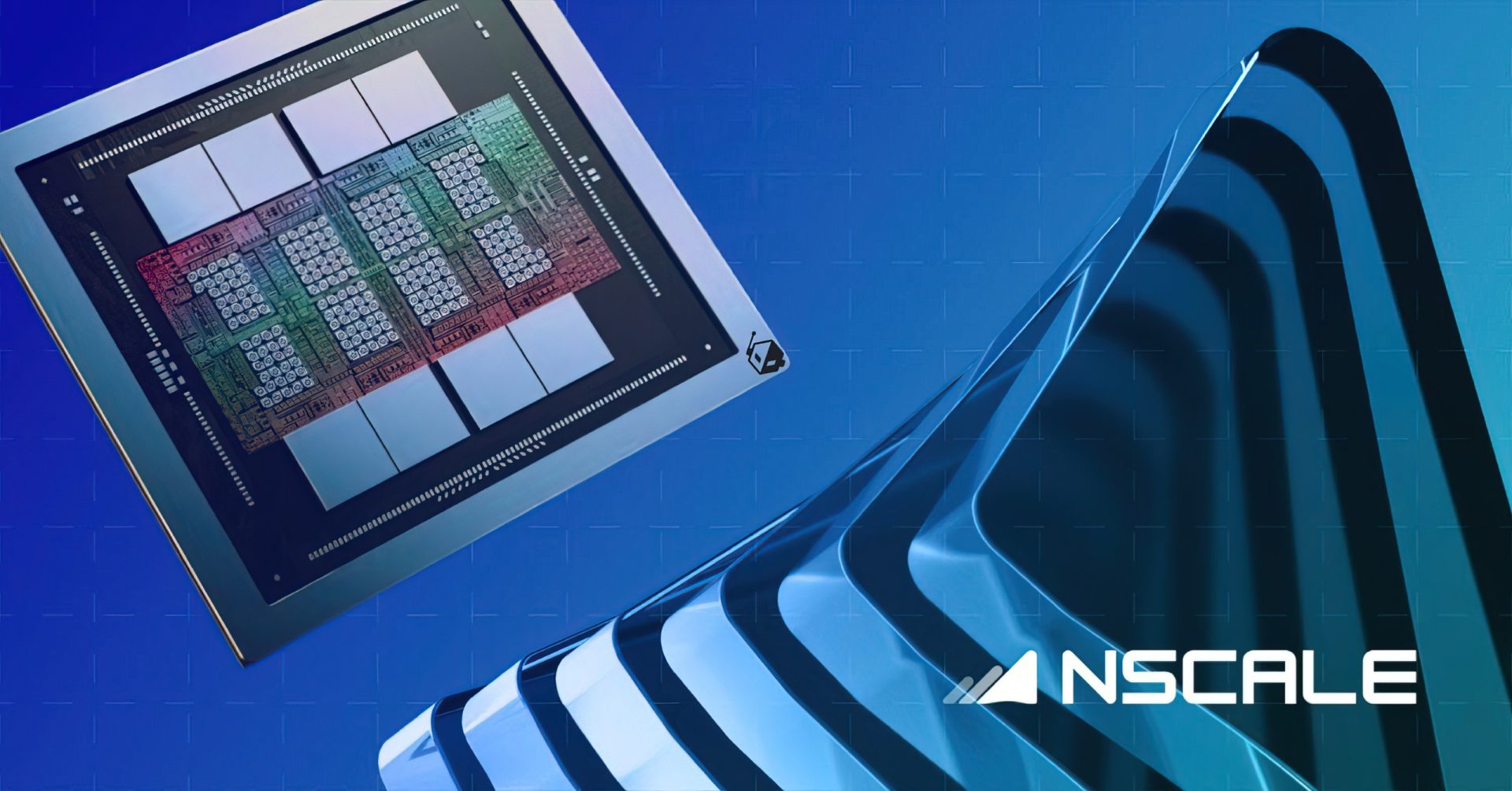
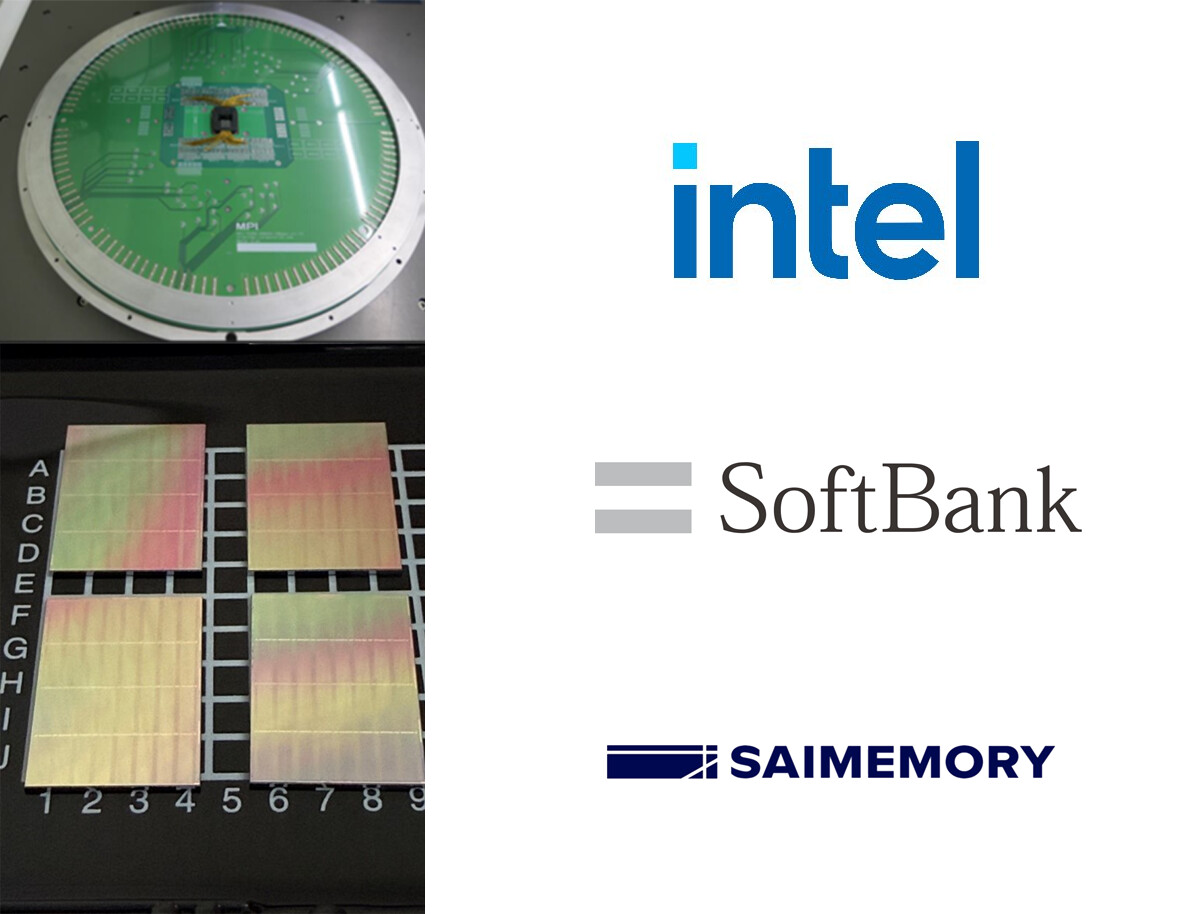
Intel has entered a strategic partnership with Saimemory, a subsidiary of SoftBank, to co-develop and commercialize Z-Angle Memory (ZAM), a vertically stacked DRAM technology designed to push the boundaries of high-bandwidth memory (HBM) for AI and supercomputing workloads.
The technology leverages Intel’s Next Generation DRAM Bonding (NGDB) advancements—originally developed under the U.S. government’s Advanced Memory Technology (AMT) program, which included contributions from Sandia, Lawrence Livermore, and Los Alamos National Laboratories. Recent NGDB prototypes have already demonstrated full functionality with up to eight vertically stacked DRAM layers, a breakthrough that could now be scaled through ZAM.
Saimemory claims ZAM will deliver two to three times the capacity of current HBM solutions while consuming 40-50% less power, positioning it as a competitive alternative for data centers and AI training clusters. The partnership also marks Intel’s return to advanced memory innovation after exiting the DRAM market decades ago.
Prototype Timeline and Investment
Development is progressing rapidly, with Saimemory targeting functional prototypes by early 2028 and commercial products expected in 2029. SoftBank is investing approximately ¥3 billion (around $20 million) to support the prototype phase, ensuring accelerated R&D and manufacturing readiness.
The collaboration could reshape the memory landscape, particularly for applications demanding extreme bandwidth, such as next-gen GPUs like NVIDIA’s RTX 5090 or Intel’s upcoming Core Ultra 300 series processors.
Why This Matters
For years, HBM has dominated high-performance computing, but its power efficiency and scalability limitations have become bottlenecks. ZAM’s vertical stacking approach—referred to as Z-axis stacking—aims to address these challenges by integrating DRAM layers more densely while reducing energy consumption.
This partnership also aligns with broader industry shifts. With DDR6 memory speeds expected to reach 8,800–17,600 MT/s by 2027, and AI-driven demand pushing GPU prices to $5,000 for models like the RTX 5090, innovations in memory architecture could determine the next wave of computing performance.
Intel’s re-entry into advanced memory technologies, combined with Saimemory’s manufacturing expertise, suggests a potential disruption in how data centers and AI systems are powered—one that could rival traditional HBM dominance.