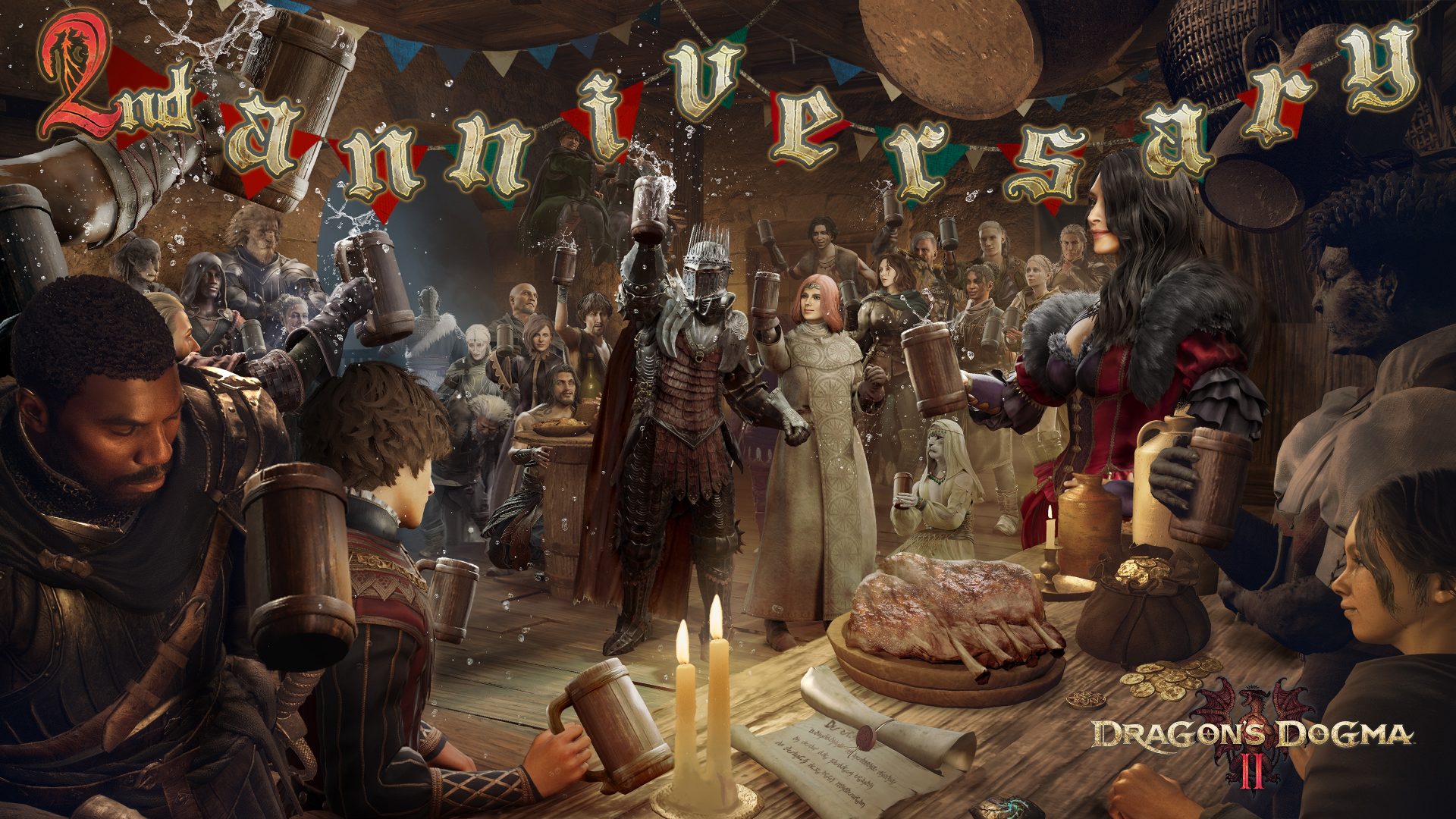
Capcom’s Dragon’s Dogma II is on the cusp of a major expansion that could reshape how players engage with its vast, living world. The shift appears deliberate—a strategic move to emphasize player-driven progression over scripted content, a departure from traditional open-world design. For gamers, this means more than just new quests; it’s about rethinking how choices shape the experience.
At the heart of this expansion is an overhaul to the game’s procedural systems. Players will see their actions ripple through the world in ways that feel organic rather than forced. This isn’t just about adding content; it’s about giving players more control while maintaining the game’s signature chaos and depth. The question isn’t whether Capcom can pull this off—it’s how far they’ll push these systems before constraints catch up.
How It Stacks Up
The expansion will introduce deeper integration between player actions and world state, a feature that could set a new standard for open-world RPGs. Unlike traditional expansions that simply add layers to an existing structure, this one aims to redefine the foundation of player agency. The challenge lies in balancing complexity with accessibility—ensuring that players who loved the original’s simplicity aren’t overwhelmed by new systems.
Key Details
- Expanded procedural world interactions: Players will influence the game’s narrative and environmental state more directly, with changes persisting across playthroughs.
- New combat mechanics: A revamped arsenal of weapons and abilities, including dynamic elemental affinities that adapt to player strategies.
- Dynamic dungeon generation: Procedurally generated dungeons that evolve based on player choices, ensuring no two runs feel the same.
The expansion’s focus on procedural depth is a calculated risk. If executed well, it could cement Capcom’s reputation for innovative RPG design. But if the systems feel disjointed or overly complex, it risks alienating players who prefer the original’s more straightforward approach. The trade-off is clear: more freedom comes with the cost of learning curves and potential frustration.
That’s the upside—here’s the catch. While the procedural elements promise unparalleled replayability, they also demand a higher level of player engagement than what Dragon’s Dogma II has traditionally offered. The expansion will need to strike a balance, ensuring that the world remains as responsive and rewarding as it is vast.
The most significant change this expansion introduces is a fundamental shift in how players interact with the game’s world. No longer just spectators, they become architects of its evolution. Whether Capcom can sustain this vision without sacrificing the chaos and charm that defined the original remains to be seen. But one thing is certain: this isn’t just an add-on. It’s a reimagining.