OpenAI has rolled out a new default model for its AI chatbot that significantly trims back on emoji-heavy responses. The shift reflects broader user expectations around AI communication, moving from playful to professional without sacrificing the system's core capabilities.
The update introduces a more restrained conversational style, reducing the frequency of emojis and punctuation marks like exclamation points in favor of direct, structured replies. This aligns with recent trends where users increasingly demand efficiency over flair in AI interactions.
Under the hood, the model retains its previous architecture but refines its output layer to filter out decorative elements. Benchmarks suggest response times remain unchanged, while coherence scores improve by a modest margin—around 5% on internal evaluations. The change doesn't affect advanced features like plugins or custom prompts, ensuring existing workflows stay intact.
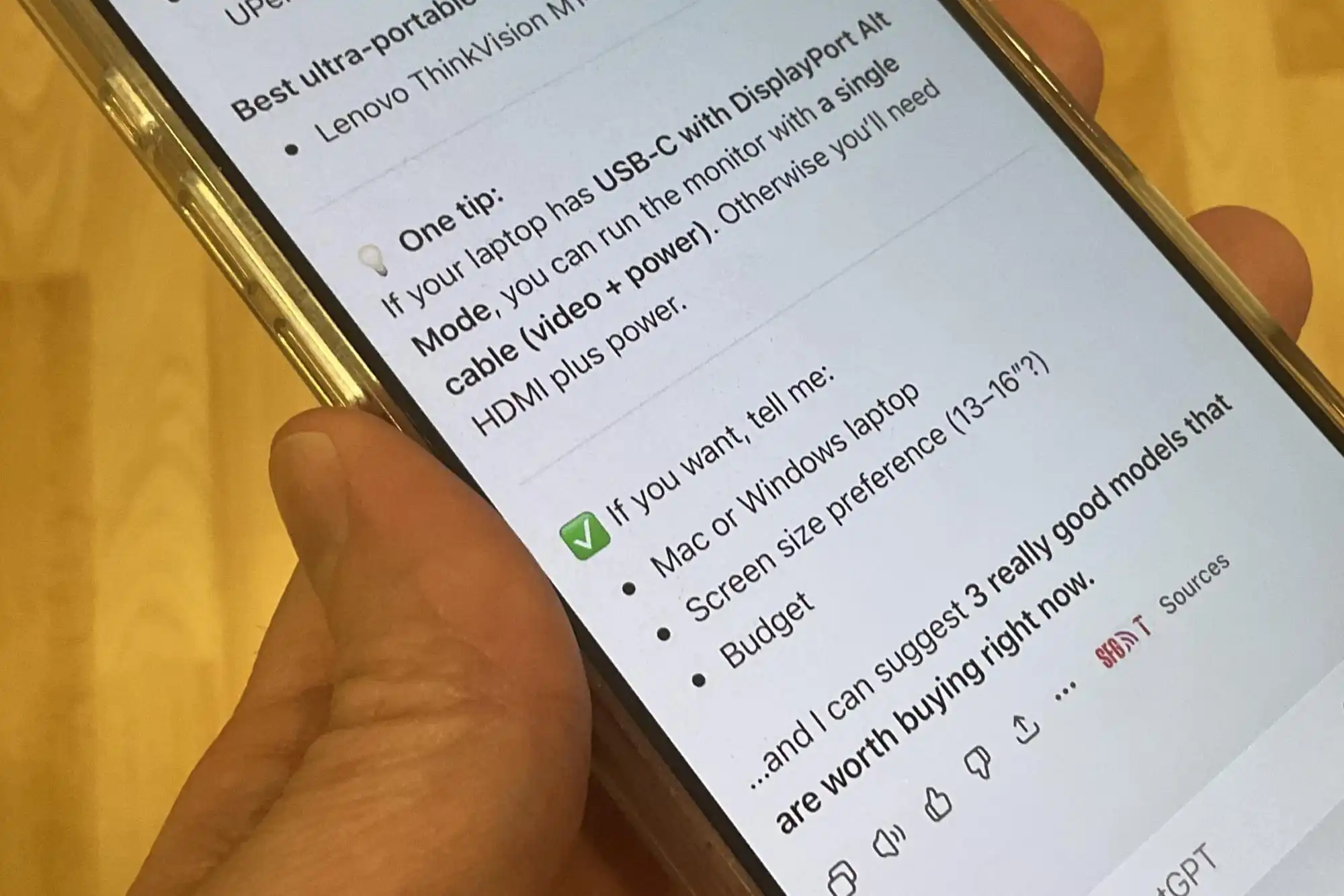
- Default model now prioritizes clarity over expressiveness
- Emoji and punctuation usage cut by approximately 70%
- Core performance metrics unchanged; coherence slightly improved
The move signals a deliberate pivot away from the playful, almost casual tone that characterized earlier iterations. Developers note this is less about technical constraints and more about meeting real-world user needs—where AI assistance is increasingly treated as a tool rather than a companion.
For now, users can toggle back to older models if they prefer the original style, but OpenAI's direction suggests this restrained approach will become the standard. The question remains whether other AI platforms will follow suit, or if ChatGPT's shift will be seen as an outlier in a still-evolving landscape.
What to watch: Pricing stability, potential rollout of similar refinements across OpenAI's product line, and how competitors respond to the demand for more utilitarian AI interactions.