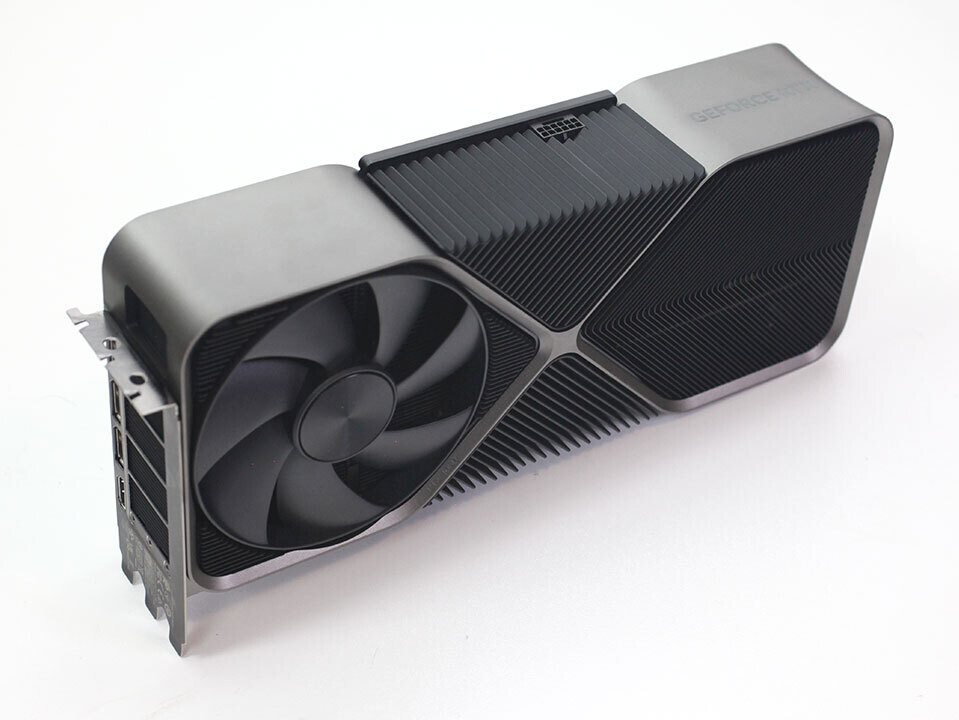
The GTX 1650 has long been a staple for budget-conscious gamers, but a recent modification takes its limitations—and potential—to an extreme. By swapping the memory controller chip, a modder has transformed the card from its standard 4 GB GDDR6 configuration into one with 8 GB of VRAM. While the change is technically impressive, it also serves as a stark reminder of how hardware constraints can shape real-world performance in ways that go beyond raw specifications.
Key technical details after modification
- VRAM: 8 GB GDDR6 (double the original)
- Memory Bus: 128-bit
- Clock Speeds: Base: 1,395 MHz, Boost: 1,545 MHz
- Performance Impact: Estimated 30-40% improvement in memory-intensive benchmarks like 3DMark Time Spy
The modification itself is not without its challenges. The GTX 1650’s architecture was never designed to handle such a significant increase in VRAM, and the card’s inherent limitations—particularly its 128-bit memory bus—become more pronounced when paired with higher capacity modules. This mismatch means that while the card can now address more memory, it struggles to process it efficiently, leading to diminishing returns in real-world scenarios.
For most users, the practical benefits of this hack are minimal. The majority of games still operate within the 4-6 GB VRAM range, and even those that push beyond it don’t necessarily scale performance linearly with additional memory. Additionally, the GTX 1650’s power draw (75W) and thermal design add another layer of complexity. Pushing the card beyond its stock specifications risks instability, throttling, or even reduced longevity—a tradeoff that few users are willing to accept for marginal gains.
This experiment also raises broader questions about how hardware is designed and constrained by manufacturers. While it demonstrates that there’s always room for innovation outside official configurations, it also highlights the risks of doing so without proper support. For now, this remains a niche solution for enthusiasts with specific memory-intensive workloads, rather than a practical upgrade path for mainstream users.
The long-term implications could be more significant if such modifications gain traction. If enough users demand higher VRAM as a baseline feature, it might pressure manufacturers to reconsider their stock configurations. However, without broader industry shifts, the GTX 1650’s modified version will likely remain a curiosity rather than a viable alternative for most.