Automation has long been a cornerstone of productivity software, but browsers have largely remained passive tools—until now. Google Chrome’s latest updates represent a seismic shift: the browser is evolving into an active agent capable of executing entire workflows independently. This isn’t incremental progress; it’s a fundamental reimagining of how users interact with the web, one that competitors will struggle to match given Chrome’s entrenched dominance in the desktop market.
The changes arrive at a pivotal moment. As AI tools proliferate, the line between assistant and browser is fading. Chrome’s new autobrowsing feature, exclusive to Google AI Pro ($19.99/month) and Google AI Ultra ($249.99/month) subscribers, automates tasks that previously required manual effort—such as scheduling appointments, renewing subscriptions, or even filing tax forms. The system doesn’t just fill in fields; it navigates entire processes, from selecting dates on a calendar to confirming transactions, before presenting the user with a final review. Google has emphasized that these actions occur within a sandboxed environment, ensuring no data is exposed to third-party websites—a critical distinction in an era of heightened privacy scrutiny.
The Gemini AI sidebar, rolling out universally, serves as the nerve center for these capabilities. Positioned as a persistent panel along the browser’s edge, it aggregates data from connected Google services—Gmail, Maps, Drive—when granted access. This integration allows the AI to recall past interactions, such as a user’s preferred travel routes or recurring payments, to streamline future tasks. For example, renewing a gym membership might pull the user’s payment details from Gmail and auto-fill the necessary fields, then schedule the renewal for a specific date without further input.

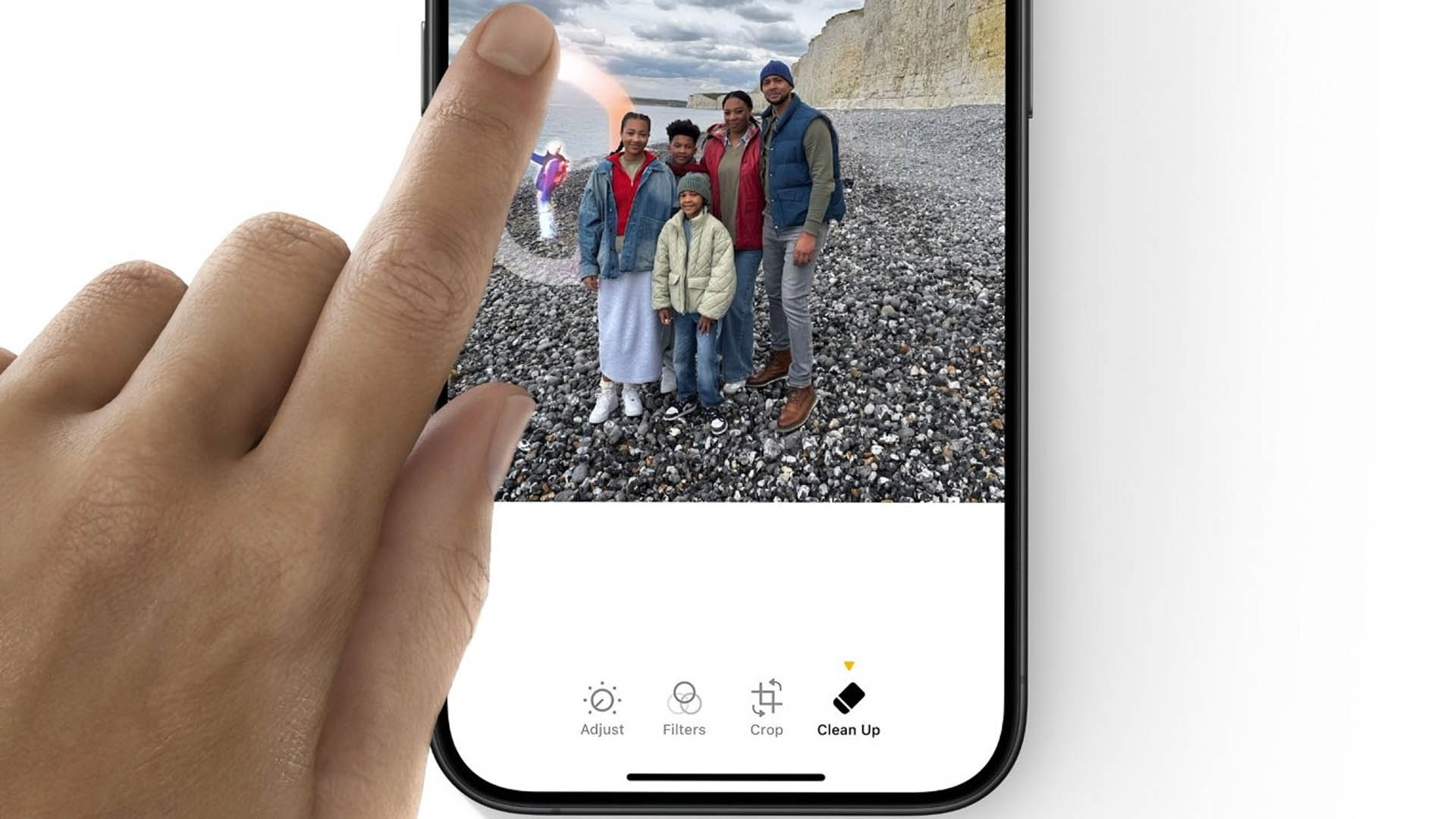
Yet the rollout isn’t without controversy. Alongside autobrowsing and the Gemini sidebar, Chrome is introducing Nano Banana, an AI-powered image-editing tool that lets users alter photos with natural language prompts—such as ‘make this background blurred’ or ‘add a sunset effect.’ While the feature demonstrates Chrome’s expanding creative ambitions, it also raises unresolved questions about copyright and ownership. If a user generates an edited image using Nano Banana, who holds the rights? Google has not yet clarified whether such edits would be subject to the same licensing restrictions as other AI-generated content, leaving creators in a legal gray area.
The implications of these updates extend beyond convenience. For businesses reliant on web forms—think healthcare providers, government agencies, or e-commerce platforms—the shift could reduce friction in critical workflows. However, the centralized control of personal data within Chrome’s ecosystem may also concentrate power in ways that could deter users wary of vendor lock-in. As Google continues to blur the boundaries between search, productivity, and creativity, the company’s moves will set the standard for how browsers—and the web itself—function in the AI era.
The rollout begins today, with autobrowsing available immediately for Pro and Ultra subscribers, while the Gemini sidebar and Nano Banana will follow in phased updates over the coming weeks. Whether these features will redefine productivity or become another layer of complexity remains to be seen—but one thing is clear: the browser wars have entered a new phase.