Crimson Desert has just taken a bold narrative leap, one that challenges players to reconsider how much control they truly have over their journey. The game’s latest update introduces a scenario where the world’s end feels less like a distant threat and more like an immediate, inescapable reality—one that mirrors the unsettling dynamics of a controlled environment.
At its core, Crimson Desert is built on the premise of survival in a vast, open landscape. Players navigate a desolate terrain, scavenging resources and making choices that shape their path forward. But with this new twist, those choices begin to feel less like personal victories and more like steps within a preordained script. The game’s mechanics now force players to confront whether their actions are truly their own or if they’re being subtly guided toward an outcome that feels predetermined.
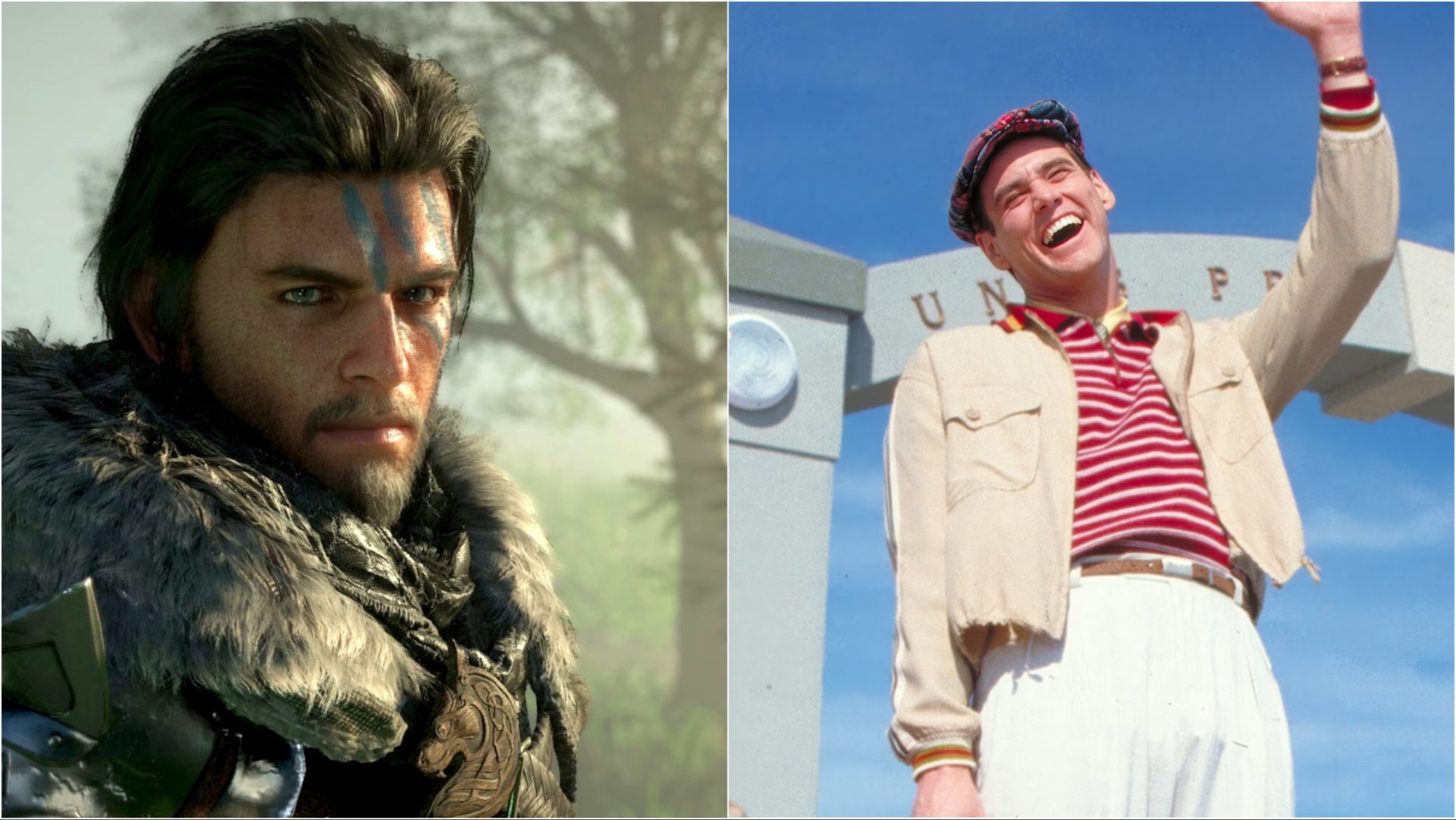
This shift doesn’t come without trade-offs. While the update adds depth to the narrative, it also introduces a layer of frustration—players may find themselves powerless against forces that seem designed to steer them away from meaningful progress. The game’s design now walks a fine line between immersive storytelling and the illusion of control.
For players invested in Crimson Desert, this update is a double-edged sword. On one hand, it deepens the world’s lore and makes the stakes feel more personal. On the other, it raises questions about whether the game’s open-ended design is still truly open—or if it’s becoming something more akin to a carefully crafted illusion.
As Crimson Desert continues to evolve, players will need to decide: Is this a narrative experiment worth engaging with, or is it a step too far into territory that feels more like a reflection of reality than an escape from it? The game’s future may hinge on whether it can balance these tensions—or if it risks becoming a cautionary tale about player agency itself.