When Crimson Desert launched without support for Intel Arc GPUs, players faced a simple error message: 'the graphics device is currently not supported.' The game, developed by Pearl Abyss, explicitly advised affected users to seek refunds. Now, Intel has shared new details about its efforts to assist the developer in optimizing the game for its hardware over multiple generations.
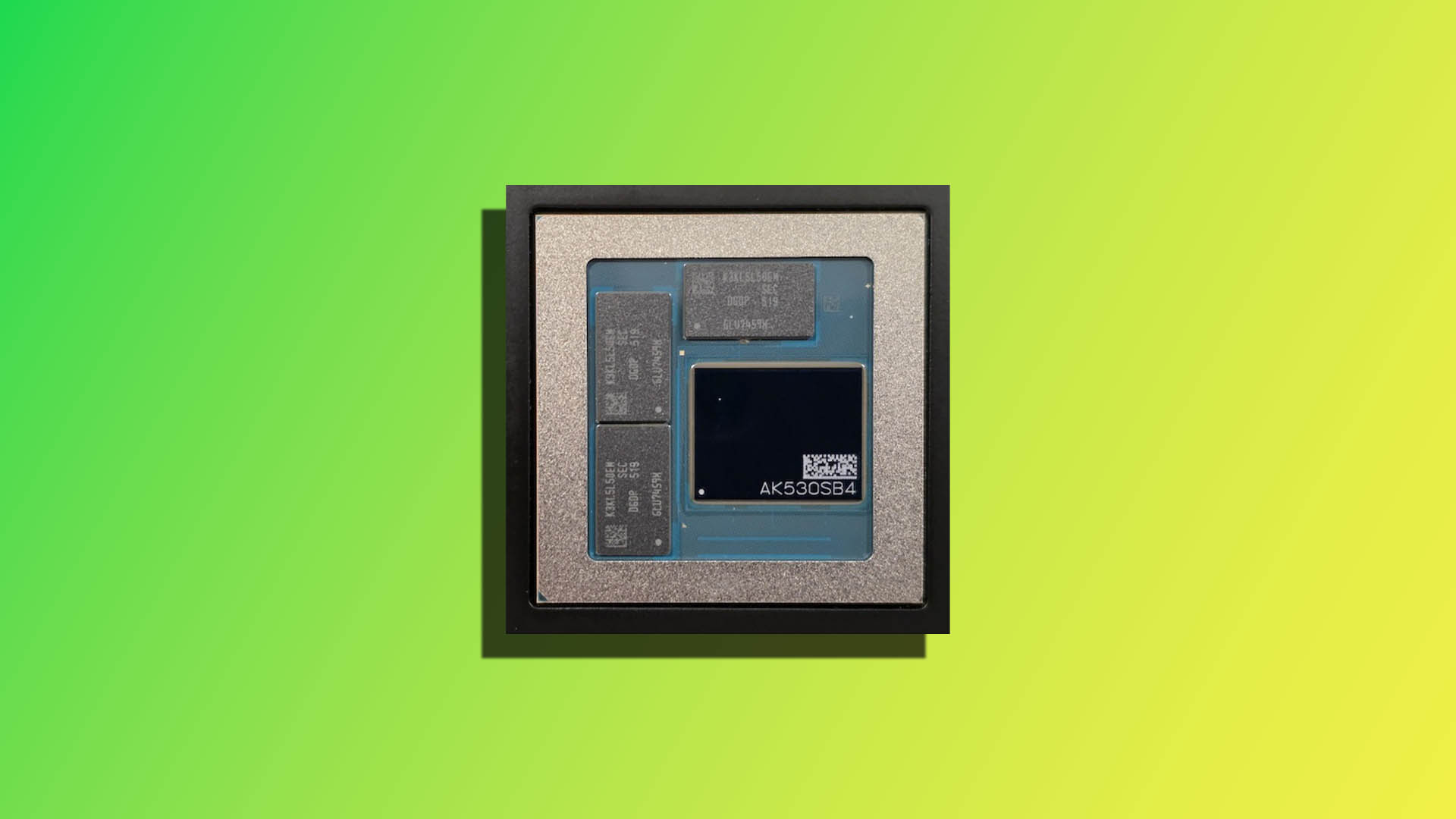
Intel claims it reached out to Pearl Abyss years before the game's release, offering early hardware, drivers, and engineering resources. These efforts reportedly spanned several GPU architectures, including Alchemist, Battlemage, Meteor Lake (Xe-LPG), and Lunar Lake (Xe2-LPG). Despite these outreach attempts, Crimson Desert did not launch with Intel Arc support, leaving a significant portion of players without access to the game at its debut.
This situation highlights broader challenges in GPU compatibility for open-world games. Players using high-end Intel GPUs like the Arc B770 or Arc B390—both part of the Battlemage series—were particularly affected, as these cards are designed to compete with AMD and NVIDIA offerings in performance and efficiency.

- Key Details:
- Intel offered hardware optimization support for Crimson Desert across multiple GPU generations.
- The game initially blocked Intel Arc GPUs entirely at launch, advising refunds for affected players.
- High-performance Intel Arc models (B770, B390) were impacted, along with integrated graphics from Meteor Lake and Lunar Lake.
Intel's statement emphasizes that smooth game performance relies on collaboration between developers and hardware manufacturers. The company remains ready to assist Pearl Abyss in resolving the issue, though no timeline for a fix has been provided. For now, players using Intel GPUs are left without access to Crimson Desert unless full optimization is implemented.
The broader implications of this situation extend beyond a single game. It underscores the importance of early hardware-software partnerships in ensuring compatibility across diverse GPU architectures. As the industry moves toward more integrated and efficient graphics solutions—such as those seen with Meteor Lake and Lunar Lake—these challenges may become more frequent, requiring closer coordination between developers and manufacturers.
What to watch: A potential update from Pearl Abyss addressing Intel Arc support, along with further details on driver compatibility for upcoming GPU architectures like Lunar Lake.